guides
Gifts for Active Kids: 20 for Children Who Never Sit Still
Gifts for active kids sorted by where the energy goes: garden, living room, park and dark evenings, with the space each needs and the safety checks.
The best gifts for active kids give all that energy somewhere to go on an ordinary Tuesday, not just on holiday. The 20 below are sorted by where they get used: the garden, the living room, the park and the dark evenings. The safety checks for trampolines, scooters and button batteries come after the list.
It's written for the aunt, grandparent or friend buying for the child who bounces off the sofa, and for the parent who has run out of ideas by February.
What counts as an active present?
An active present is one a child can only use by moving: jumping, balancing, throwing, running, climbing or holding a pose. Sports kit counts, but so does a head torch if it gets them out on a winter walk.
For school-age children, the NHS tells families to "aim for an average of at least 60 minutes of moderate or vigorous intensity physical activity a day across the week" (NHS, 5 to 18). Pre-schoolers aged 3 and 4 "should spend at least 180 minutes (3 hours) a day doing a variety of physical activities" (NHS, under 5s), and an active three-year-old will happily do more. On a long summer day that takes care of itself. It's the short, wet days between November and March where a good present earns its keep, which is why so much of this list works indoors or after dark.
Which active gifts suit a garden?
1. A garden trampoline with a safety net
The classic, and still the one that gets used every dry day for years. Read the safety section below before buying, and measure the garden first: it needs clear space all round, not just its own footprint.
Age 6 and up. Over £50. Space: outdoors, on grass.
2. A tether tennis set
A ball on a cord round a pole, hit with two bats. One child can play alone, two can rally for an hour, and the ball never ends up in next door's garden.
Age 5 to 8. £10 to £25. Space: outdoors, a patch of lawn about the size of a paddling pool.
3. A slackline kit with a training line
A flat strap tied tight between two trees, a little above the grass, with a second line overhead to hold. It's balance practice that feels like circus training, and progress is easy to see: one more step each go.
Age 6 to 8, with a grown-up setting it up. £25 to £50. Space: outdoors, two sturdy trees or posts.
4. Hurdles, cones and an agility ladder
A set of low plastic hurdles, a few cones and a flat ladder to lay on the grass. It turns the garden into a sports day course, and a child can redesign it every afternoon.
Age 4 to 8. £10 to £25. Space: outdoors, or a hall.
5. A pogo stick
One spring, two foot pegs and a lot of falling off before it clicks. It's the present that teaches persistence without anyone having to mention it.
Age 6 to 8, within the weight limit on the box. £25 to £50. Space: outdoors, on a flat path or patio.
What can an active child do in the living room?
6. A low balance beam
A foam or wooden beam a few centimetres off the floor. Walk it forwards, backwards, sideways, then with a beanbag on your head. It lives under the sofa and comes out every wet afternoon.
Age 3 to 8. £25 to £50. Space: indoors, about two metres of clear floor.
7. Juggling scarves
Three light chiffon scarves that fall slowly enough for a five-year-old to catch. Start with one, then two. It's juggling with a fighting chance, and nothing breaks.
Age 4 to 8. Under £10. Space: indoors, any room.
8. Movement dice or cards
Big foam dice or a pack of cards showing moves: hop five times, crab walk to the door, freeze like a statue. Roll and do. Younger children love being the one who rolls.
Age 3 to 6. Under £10. Space: indoors, a cleared rug.
9. A soft hoop for the back of a door
A small hoop that hooks over a door, with a soft ball. Every passing child takes a shot. Choose a door that isn't on the stairs, and one nobody minds being thumped.
Age 4 to 8. £10 to £25. Space: indoors, one door and a bit of hallway.
10. A mat of numbered yoga poses for wet afternoons (this one is ours)
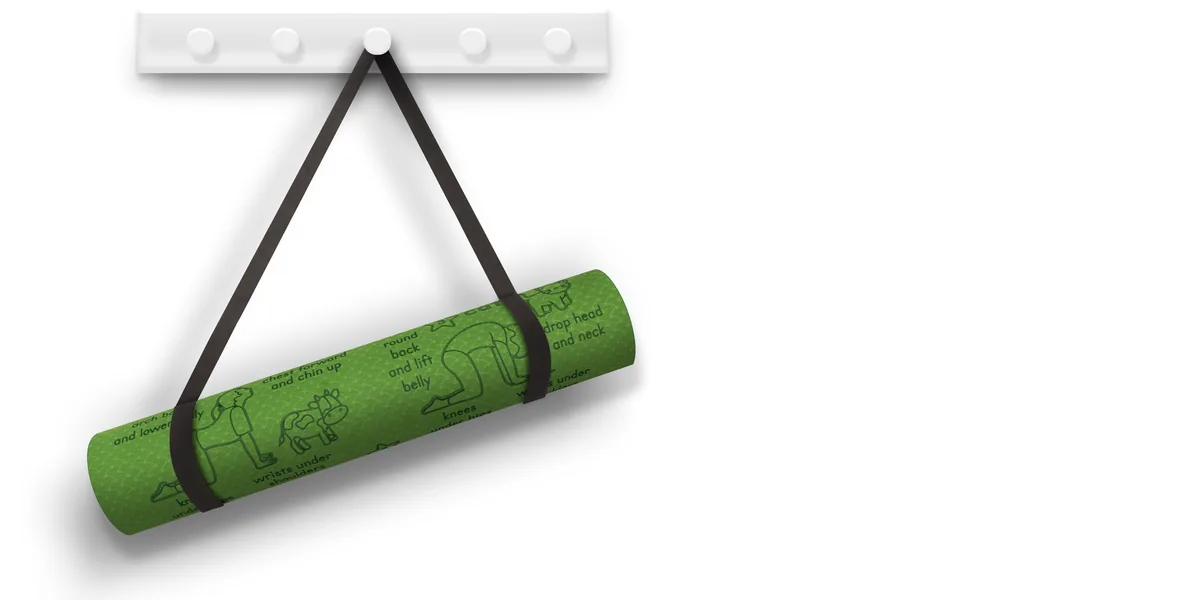
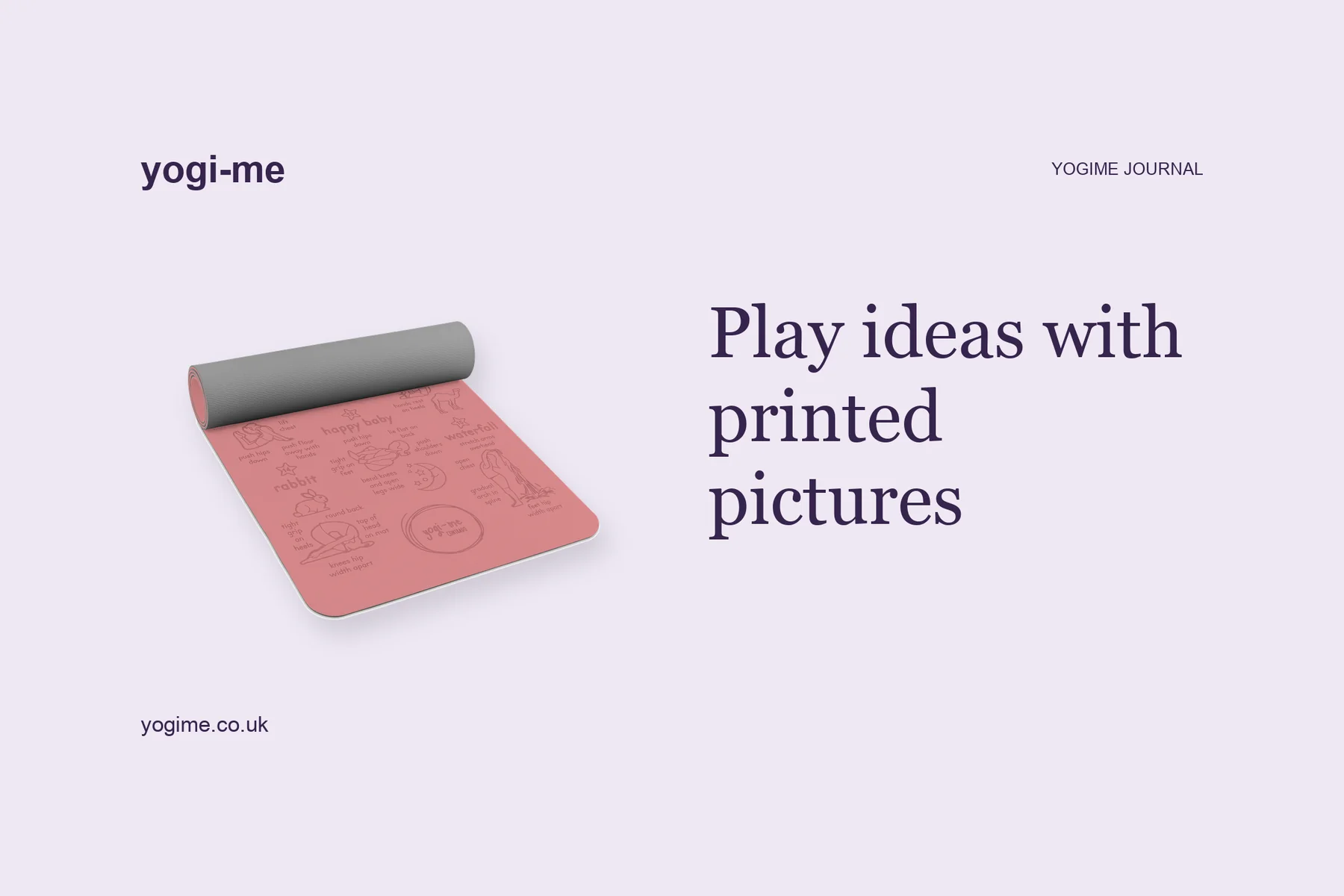
Fifteen poses laser-engraved into the surface and numbered in order, so a child can work through them alone with no screen. It's the calm end of active: strength and balance on the days the garden is a swamp. It wipes clean with a damp cloth.
Age 3 to 8. £34.99. Space: indoors, 183 x 61 cm of floor.
Which presents get used at the park?
11. A scooter and a helmet
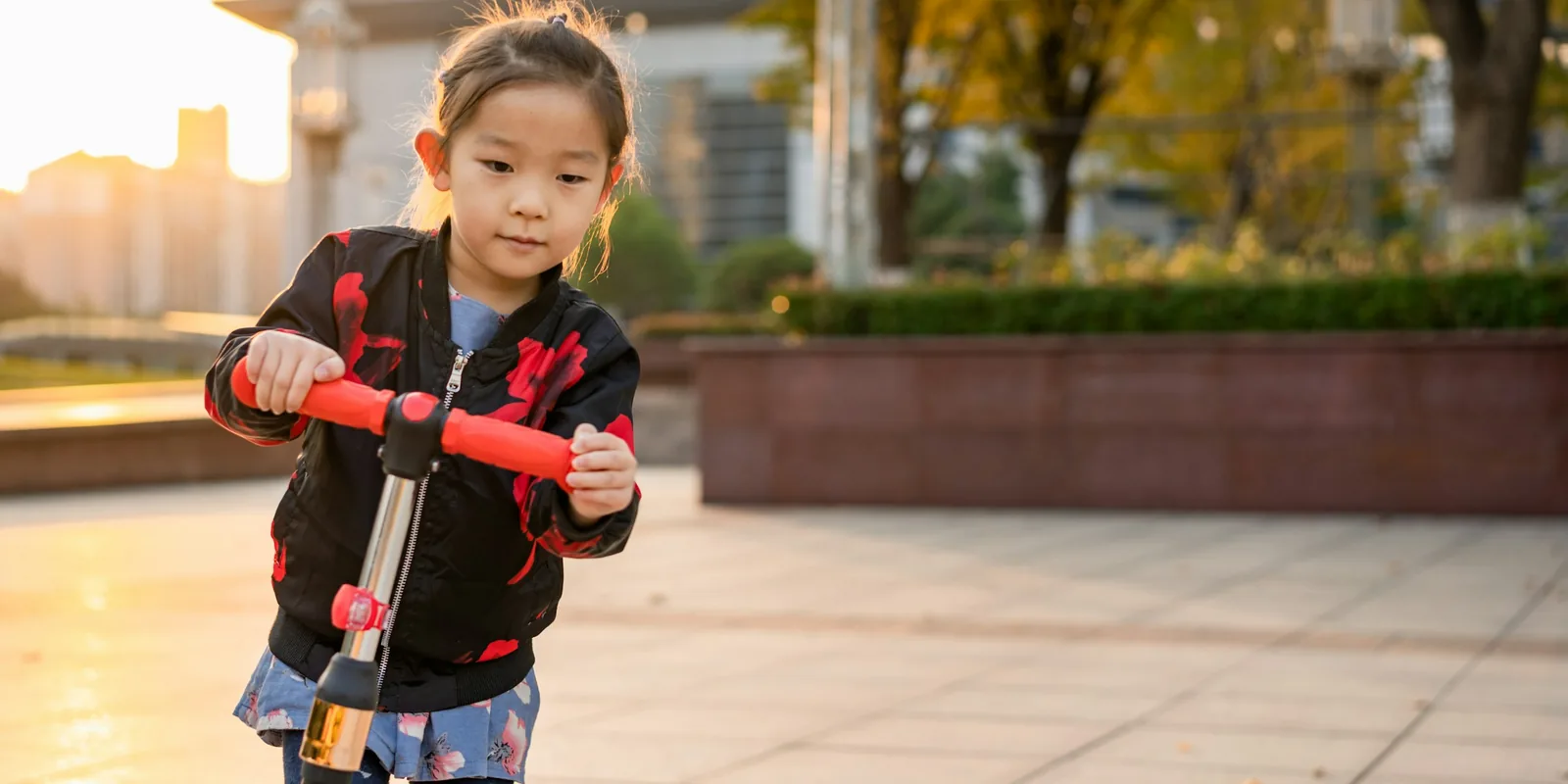
Three wheels for younger children, two once their balance is good. Buy the helmet in the same parcel, so it's part of the present rather than a later argument.
Age 3 to 8, starting on three wheels. £25 to £50 with the helmet. Space: outdoors, paths and pavements.
12. A soft flying disc
A floppy fabric disc is easier to catch than a hard one and doesn't hurt when it lands on someone. Throwing it flat takes practice, which is half the fun.
Age 4 to 8. Under £10. Space: outdoors, an open patch of park.
13. A stopwatch
For the child who wants to race everything. Time the run to the bench, then try to beat it. A personal best is the fairest race there is, because the only rival is yesterday.
Age 5 to 8. Under £10. Space: outdoors, anywhere with a start and a finish.
14. A rounders or cricket set
A bat, a ball and four markers. It gets a whole family or a group of cousins playing, and the youngest can bat while the older ones field.
Age 4 to 8. £10 to £25. Space: outdoors, the park.
15. A step counter
A simple clip-on pedometer turns a walk to the shops into a number to beat. There's no official step target for children, and our guide to daily steps for children explains why.
Age 6 to 8. Under £10. Space: outdoors and in.
What keeps them moving when it's dark by four?
16. A head torch
A child's own head torch makes a walk round the block after tea feel like an expedition. Hands stay free for climbing the frosty bits.
Age 4 to 8. Under £10. Space: outdoors, with a grown-up.
17. Clip-on lights for a scooter or coat
Small lights that clip to handlebars, a bag or a coat zip. They make an after-school scooter ride in January possible, and they're cheap enough to buy as a stocking filler.
Age 3 to 8. Under £10. Space: outdoors.
18. Glow-in-the-dark skittles
Turn the hall lights off and bowl in the dark. Rolling a ball accurately is harder than it looks, and the scoring gives a restless child something to concentrate on.
Age 3 to 8. £10 to £25. Space: indoors, a hallway.
19. A hula hoop
A hoop sized to the child, ideally with a few spares for the adults. The trick of keeping it up takes days to learn, then it's done on the patio, in the hall and at the park.
Age 4 to 8. Under £10. Space: indoors or out, an arm's length of space all round.
20. A term of lessons
Swimming, gymnastics, dance, martial arts or climbing. For the child who has every bit of kit, a weekly session in something new gives the energy a fixed place to go all winter. Ask the parents first about days and travel.
Age 4 to 8, depending on the class. Over £50. Space: out of the house.
How do you choose the right active gift?
Three questions sort the list quickly.
Where will it actually be used? A trampoline is no use in a flat with a balcony, and a pogo stick on a lawn sinks. Ask what space the family has before falling for a picture on a box.
Does it need a grown-up every time? The slackline, the head torch walk and the term of lessons all need an adult. Juggling scarves, the door hoop and movement dice don't. Busy parents are more grateful for the second kind.
Will it still be out in February? Garden kit gets used in summer. A present that works indoors, or in the dark, gets used in the months when an active child is hardest to live with.
What safety checks matter for active toys?
Trampolines. RoSPA, the accident prevention charity, says trampolines are not suitable for children under six, as they aren't yet able to control their bouncing. It advises one person on at a time, a safety net or a clear zone of 2.5 metres around it, never siting it on concrete or other hard ground without impact-absorbing matting, and no somersaults unless trained. It also says all children should be supervised on a trampoline, while pointing out that adult supervision is no guarantee of safety.
Protective kit. The NHS advises children to use protective equipment, for example for cycling and skateboarding. For a scooter, that means a helmet that fits now, not one to grow into.
Button batteries. Head torches, clip-on lights and step counters can run on small round batteries. The government's Office for Product Safety and Standards (OPSS) warns that a swallowed button battery can do severe harm, and if you think one has been swallowed, go straight to A&E. With younger brothers or sisters in the house, we'd choose a light with a screw-fastened battery cover.
Age labels. Check the age and weight limits on the box, and buy from a seller you know, so you can tell where it came from.
What if there's no garden, or no room?
Plenty of active children live in flats. Ask before you buy anything bigger than a shoebox. The living room and park sections above are mostly small, and a term of lessons takes up no space at all.
If the parents have said no more big presents, a stopwatch and a list of challenges in your handwriting is a gift too. So is an afternoon: take the child to the park with a flying disc and give their parents two hours off. For more ideas that keep a child moving at home, see our guide to exercise for kids at home, and for the child who'd rather not, our tips on getting a reluctant child moving.
Frequently asked questions
What are good gift ideas for energetic kids?
Something that gives the energy a place to go on an ordinary day, not just on holiday. A low balance beam or a door hoop for indoors, a scooter and helmet for the park, a tether tennis set for the garden, and a head torch for walks after dark. Match it to the space the child actually has.
What are good gifts for sporty kids?
Kit for practising alone between club sessions works best: a stopwatch to chase a personal best, a tether tennis set, a bat and ball for the park or a set of cones and hurdles for drills. For a child who already has the kit, a term of lessons in something new, such as climbing or gymnastics, adds a skill rather than more stuff.
What age is a trampoline suitable for?
RoSPA, the Royal Society for the Prevention of Accidents, says trampolines are not suitable for children under six, because younger children can't yet control their bouncing. For older children it advises a safety net or a clear zone around it, one person on at a time and no somersaults unless they've been trained. Check the age and weight limits on the box too.
How much exercise does an active child need?
For ages 5 to 18, the NHS guideline is an average of an hour or more of moderate or vigorous activity every day, across the week. Pre-schoolers aged 3 and 4 need three hours or more of any activity daily, an hour of it energetic. Both are minimums, so an active child doing more is fine.
A present for the wet Tuesdays
Most of this list waits for dry weather. Ours doesn't. A Sun Salutation mat numbers its 15 poses, starting at mouse and ending at dancer, so an active child can work along the line on a rainy afternoon. It's adult length, so a grown-up fits on it as well. Both designs come in seven colours: see all our yoga mats for children.
For more presents beyond the active ones, our guide to presents for kids covers making, pretending and winding down too.