guides
The Benefits of Yoga for Children: Body and Mind
The benefits of yoga for kids, body and mind: strength, balance, calm and better sleep, each tied to what NHS, WHO and UK activity guidance say.
The main benefits of yoga for kids are stronger muscles and bones, better balance and co-ordination, and a simple way to calm down. UK guidance links daily activity to better concentration, confidence and sleep, and yoga's slow breathing adds a calming skill children can use when worried. It also counts towards daily activity targets and makes an easy screen-free swap.
You want your child moving more and staring at a screen less, but the weather is miserable, the garden is a puddle, and signing up for yet another paid class feels like a stretch.
Yoga is one of the simplest answers. It needs no kit, no booking, and barely any space, and it works on a rainy Tuesday afternoon just as well as a sunny one.
This guide walks through what yoga actually does for a young child's body and mind, and ties each benefit to what UK health bodies already tell parents. No fads, no big promises, just a calm, screen-free way to help your child grow.
What are the benefits of yoga for children?
Yoga gives children a low-cost, screen-free way to move their bodies and settle their minds. It builds strength, co-ordination and flexibility while supporting concentration, confidence and better sleep. UK activity guidance links daily movement to all of these, and gentle yoga is one enjoyable way to add to that daily total.
The nice thing about yoga is that it is two things at once. It is physical activity, which children need a good amount of every day, and it is a chance to slow down and breathe, which most children get far too little of.
If you are completely new to it, our beginner's guide to yoga for kids is a gentle place to start. Below, we break the benefits into body, mind and sleep.
How does yoga help a child's body?
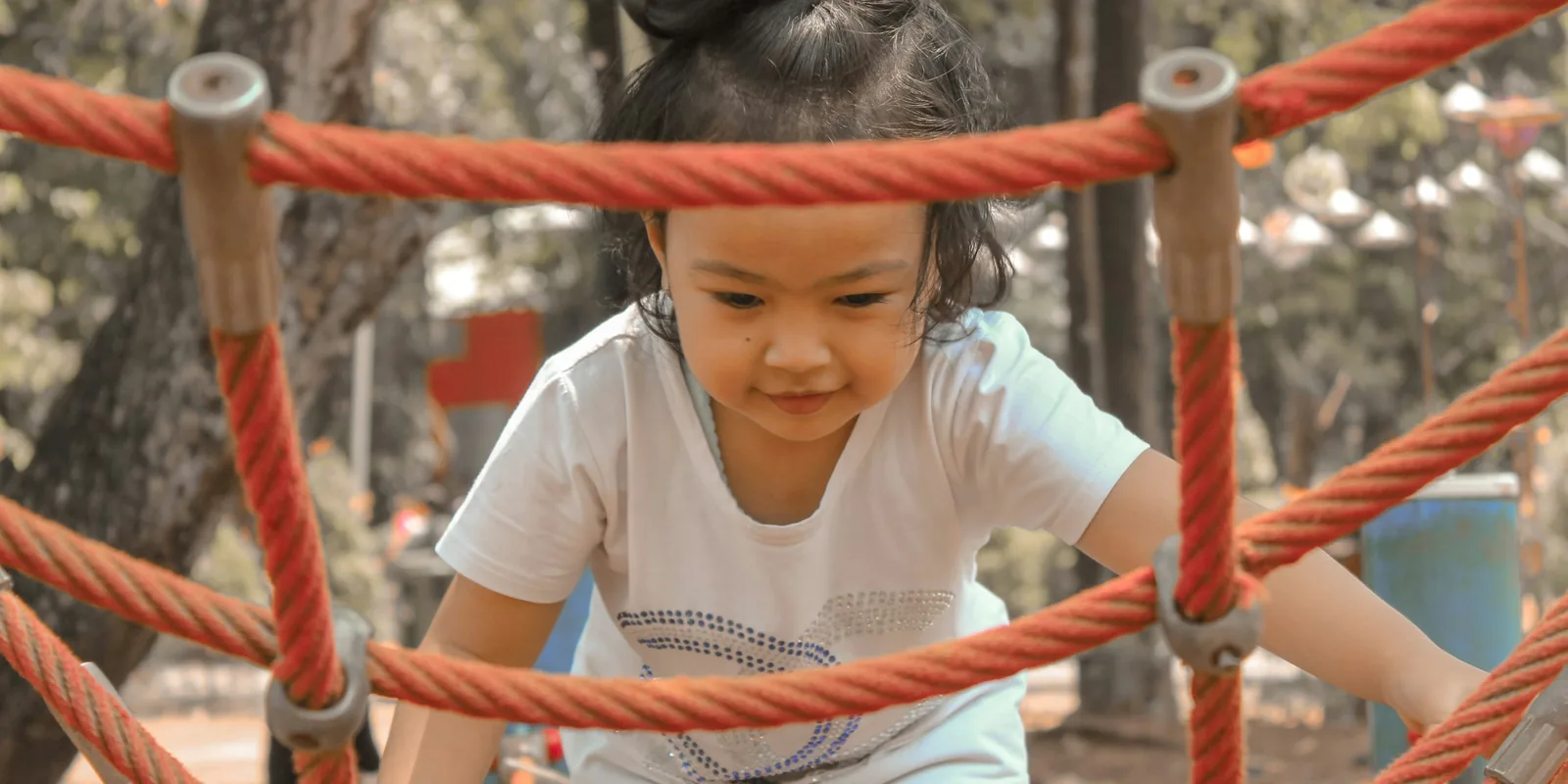
Yoga strengthens muscles and bones, develops co-ordination and improves flexibility, all things the UK's Chief Medical Officers list as benefits of daily physical activity. Because it needs no equipment and works indoors in any weather, yoga is an easy way to top up a child's recommended movement each day.
The NHS says children aged 5 to 18 should aim for an average of at least 60 minutes of moderate or vigorous activity a day across the week, plus activities that develop movement skills, muscles and bones. For under-fives, the target is even higher: at least 180 minutes spread across the day.
It builds the skills the guidelines ask for
That phrase "develop movement skills, muscles and bones" is exactly what yoga does. Holding a wobbly tree pose works balance. Pushing up into a downward dog builds arm and core strength. Reaching into a star shape stretches everything out. Our core strength and balance activities add more ideas that build the same skills.
The World Health Organization adds that regular activity in children improves physical fitness, bone health and motor development, and promotes healthy growth. Yoga plausibly delivers on all of that, one playful pose at a time.
Yoga is not a replacement for running, climbing and free play outdoors. Think of it as a reliable way to add movement on the days when getting outside just is not happening.
How does yoga help a child's mind?
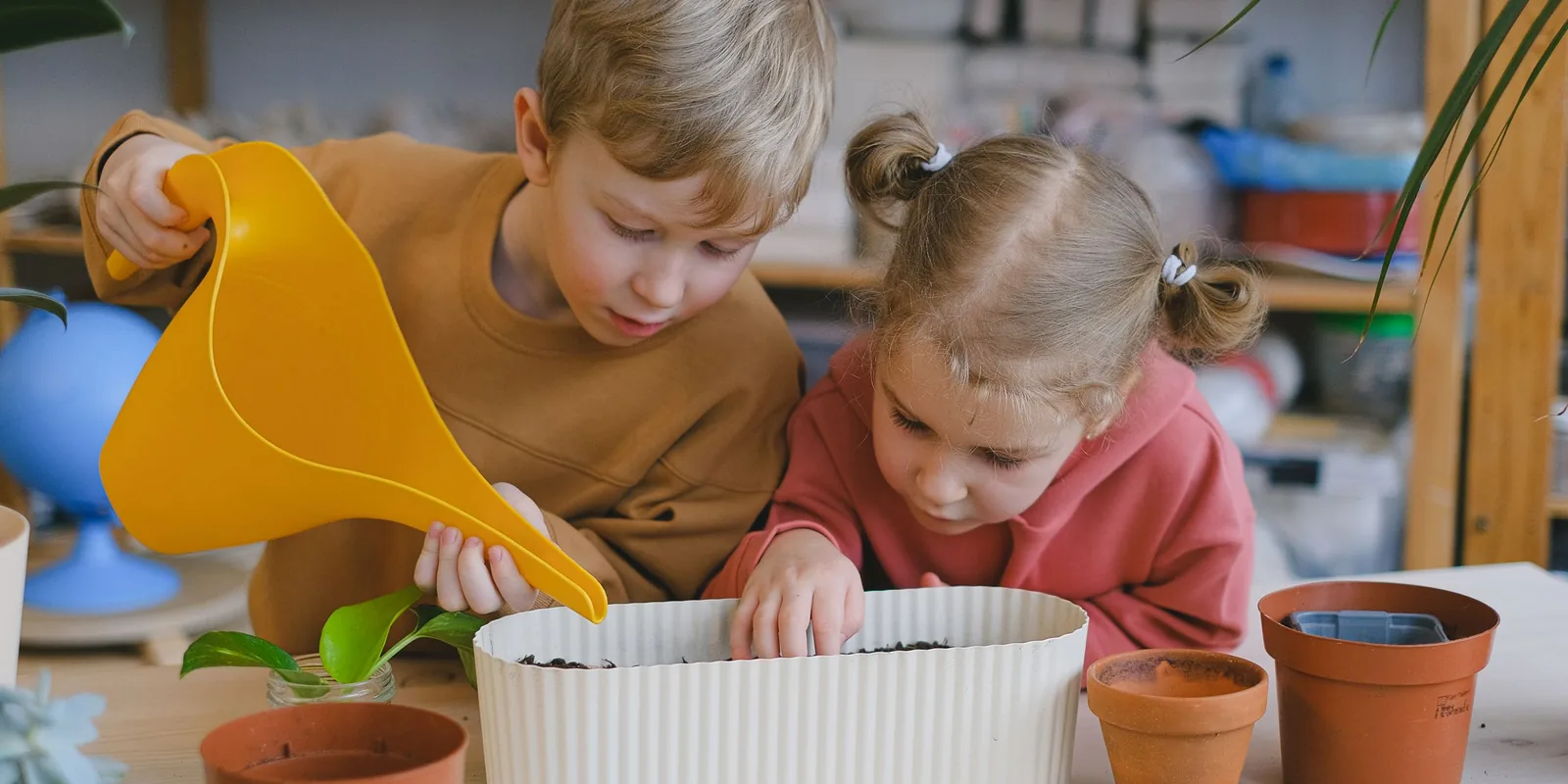
Official UK guidance says regular activity improves concentration and learning, builds confidence and social skills, and simply makes children feel good. Yoga delivers movement alongside slow breathing, so it supports those same mind benefits while teaching calming skills your child can reach for when they feel worried or overwhelmed.
Those are not our words, and if concentration is your main worry, our guide on how to help a child focus goes further. The UK Chief Medical Officers' guidance lists "improves concentration and learning", "builds confidence and social skills" and "makes you feel good" as direct benefits of daily activity. Yoga is activity, so it earns its place on that list.
The breathing part matters
The bit that sets yoga apart from a kickabout is the breathing. Slow, steady breaths help a child come down from a wobble.
YoungMinds suggests slow breathing and grounding exercises for children who are feeling anxious, and agreeing some of them in a calm moment, so they are familiar when the worry arrives. That maps neatly onto yoga's breathwork.
This is a skill, not a cure. Yoga will not treat anxiety, but it can give your child a simple, familiar tool for the moments when big feelings arrive. If you want to go further on this, our guide to mindfulness for kids pairs well with a short yoga routine.
Can yoga help my child sleep better?
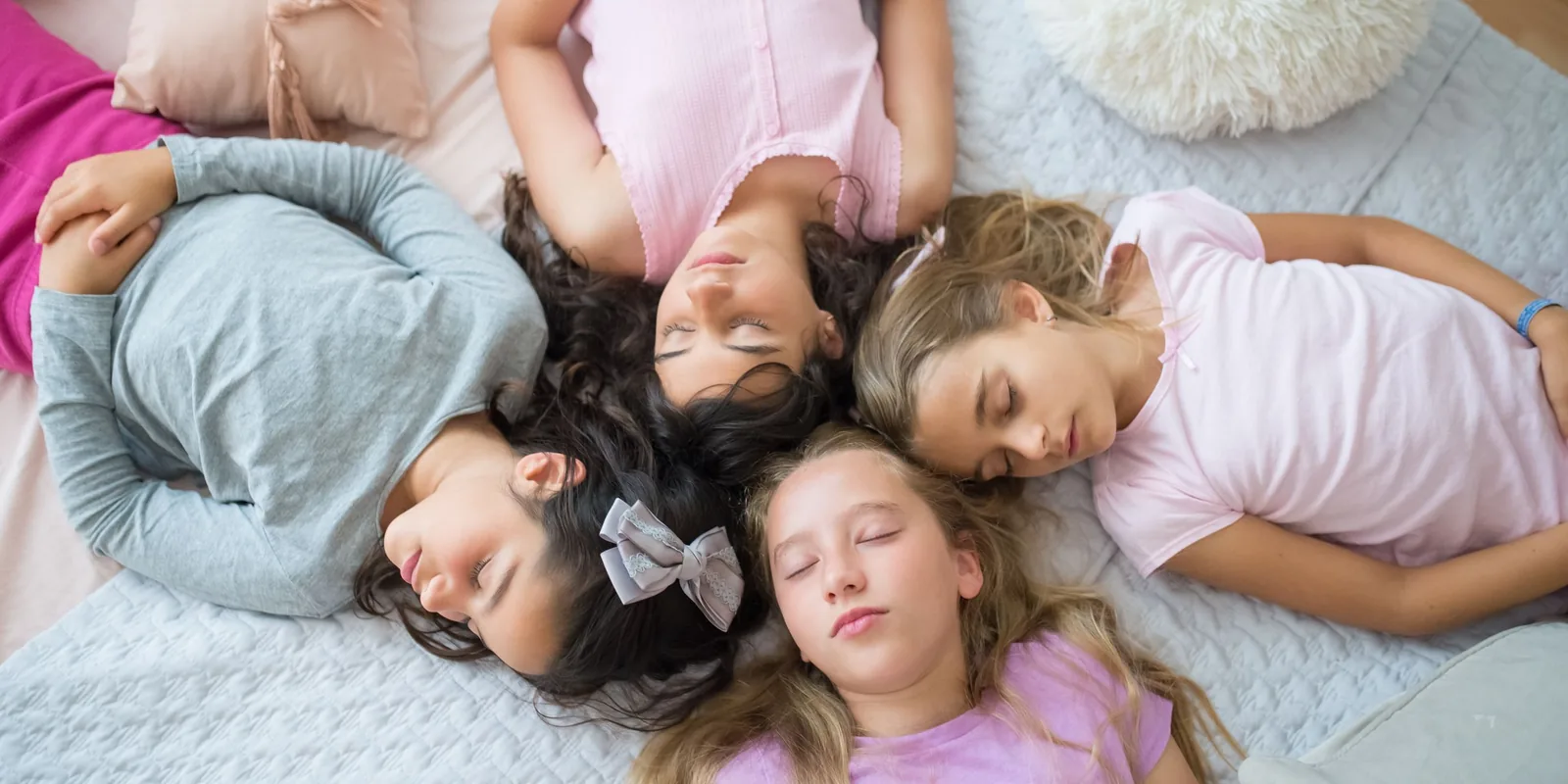
A calm, screen-free wind-down can help. The NHS recommends a predictable bedtime routine and warns that the light from screens near bedtime can interfere with sleep. Gentle evening yoga fits that advice neatly, and UK activity guidance even lists "improves sleep" as a benefit of being active during the day.
Sleep is where a lot of parents feel the pain. Here is the chain of evidence, all from trusted bodies.
Screens are almost everywhere in children's lives: Ofcom's research shows that nearly all UK children spend time online. The NHS warns that the light from laptops, tablets and phones in the 30 to 60 minutes before bed can interfere with sleep.
The NHS answer is a calm wind-down routine, starting about 30 minutes before your child usually falls asleep. A few slow stretches and some quiet breathing on the bedroom floor is a lovely, low-effort way to fill that half hour without a screen in sight.
Is yoga a good swap for screen time?
Yes. Screens are near-universal for UK children, and health bodies want sedentary screen time reduced, especially for under-fives. Yoga is a guilt-free, active replacement that turns a few quiet minutes into real movement, so your child sits less and plays more without you having to police a timer.
The WHO advises no screen time for children under 1, and no more than an hour (less is better) for ages 2 to 4, with active play replacing screen-based sedentary time.
That is the guilt many of us carry. The kinder framing is that you do not have to win a battle over the tablet every time. You can offer something better instead. Rolling out a mat and doing three animal poses is an easy swap, and for more ideas like this see our post on screen-free habits that stick.
How much yoga should a young child do?
There is no set yoga dose, but the targets around it are clear. The NHS says 5 to 18s need about 60 minutes of activity a day, and under-fives need at least 180 minutes spread across the day. Short, playful yoga sessions of 10 to 15 minutes count towards those totals.
Little and often beats one long session. A young child's attention is short, so five minutes before nursery and ten before bed will do more good than a half-hour marathon they lose interest in.
Follow your child's lead. If they want to hold the frog pose and giggle for two minutes, that is a win. Yoga should feel like play, not a workout with a stopwatch.
Here is how the main benefits line up with official UK and WHO guidance.
- Strong muscles and bones, What official guidance says: Daily activity strengthens muscles and bones and develops co-ordination; Source: UK CMOs / NHS
- Better concentration and learning, What official guidance says: Regular activity improves concentration and learning; Source: UK CMOs
- Confidence and feeling good, What official guidance says: Activity builds confidence and social skills and makes you feel good; Source: UK CMOs
- Better sleep, What official guidance says: Being active improves sleep; a screen-free wind-down supports rest; Source: NHS
- Less sedentary screen time, What official guidance says: Reduce screen time, especially under 5; replace with active play; Source: WHO
- Calming skills for worries, What official guidance says: Slow breathing and grounding help anxious children; Source: YoungMinds
Is yoga safe for children?
Yoga is generally very safe for young children when it stays playful and is never forced. Children are naturally flexible, so let them move within comfortable limits and stop if anything hurts. Yoga complements active outdoor play rather than replacing it, so keep running, climbing and free play in the mix too.
A few sensible pointers. Do it on a non-slip surface so little feet do not skid. Keep poses simple and fun rather than pushing for a perfect shape. And never force a stretch: if your child says it hurts, that pose is done for the day.
If your child has any medical condition or mobility concern, have a quick word with your GP or health visitor first. For nearly every healthy child, though, yoga is as safe as any other gentle play.
Frequently asked questions
Is yoga just stretching, or is it real exercise?
It is real exercise. Holding poses builds strength, balance and co-ordination, which UK guidance specifically wants children to develop alongside their daily activity. It also raises the heart rate when you add more active flows. It counts towards your child's recommended movement, and it teaches breathing on top.
At what age can children start yoga?
Toddlers can join in with simple animal poses from around age three, which is when playful copying really clicks. Our mats are designed for ages 3 to 8. Keep it short and game-like for the youngest ones, and let them dip in and out rather than expecting a full routine.
Do I need to know yoga myself to do it with my child?
Not at all. You are learning together, and children love it when a grown-up joins in and gets the wobbles too. Start with a handful of animal poses, name them, and make the sounds. Our beginner's guide walks you through the very first session.
Does my child need a special mat?
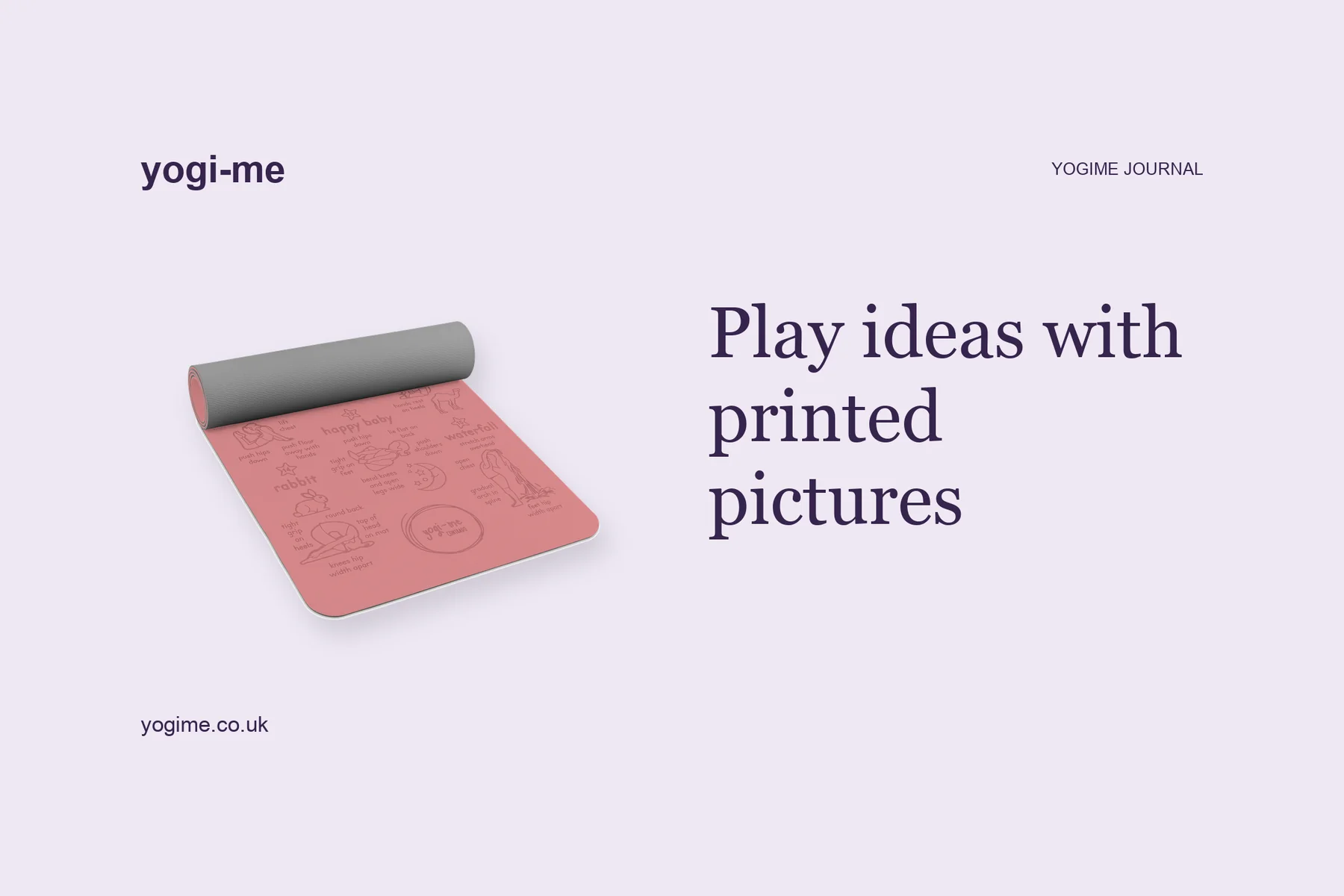
You can start on any non-slip surface, but a mat helps in two ways: it gives a soft, safe spot, and it marks out "this is our yoga time". Our mats have 15 numbered poses marked into them, so your child can see what to do next without a screen. Have a look in our shop.
Bringing these benefits home with a pose mat
If you would like an easy, screen-free way to bring all of this home, that is exactly why we make our mats. Each one has 15 numbered poses marked into it, so your child can lead their own little practice while you cheer them on. Browse the full range in the Yogi-Me shop. Non-toxic, PVC-free, and made for small hands and feet.
Sources
- NHS: Physical activity guidelines for children and young people (5 to 18)
- NHS: Physical activity guidelines for children under 5
- GOV.UK: UK Chief Medical Officers' physical activity guidelines (5 to 18 infographic)
- World Health Organization: Physical activity fact sheet
- World Health Organization: To grow up healthy, children need to sit less and play more
- NHS: Sleep and young children
- Ofcom: Children and parents media use and attitudes report 2025
- YoungMinds: Anxiety parents' guide