guides
Wellbeing Activities for Children: 25 in 5 Steps
25 wellbeing activities for children aged 3 to 8, sorted by the NHS five steps to mental wellbeing, for home and for KS1 and KS2 classrooms.
Wellbeing activities for children are small, everyday things that help a child feel connected, capable and settled. The 25 below are sorted by the NHS's five steps to mental wellbeing: connect, be active, learn, give and notice. Each takes between one and twenty minutes, needs little or nothing, and works at home or in a KS1 or KS2 classroom.
Wellbeing, in plain terms, is how a child feels and copes from day to day. It's not the absence of bad days. Every child has those.
What are the NHS five steps to mental wellbeing?
The NHS five steps are: connect with other people, be physically active, learn new skills, give to others, and pay attention to the present moment, which some people call mindfulness. The NHS says evidence suggests these steps can improve mental health and wellbeing.
That page is written for adults. Its examples include having lunch with a colleague and taking a college course. So this post translates each step for children aged 3 to 8, and nothing here claims the steps were tested on children.
The NHS does make the link for children elsewhere. Its Every Mind Matters advice for parents says being active or creative, learning new things and being part of a team help connect us and boost our mental wellbeing. The five steps page itself points to the New Economics Foundation's Five Ways to Wellbeing for more, and that's the version you'll see on many school websites: connect, be active, take notice, keep learning and give.
Which wellbeing activities help children connect?
Connecting means time with people, with attention on each other rather than on a screen.
1. The ten-minute card game
Switch the telly off and play snap, pairs or happy families at the kitchen table. One of the NHS's own suggestions for this step is switching off the TV to talk or play a game with your children. Stop while everyone still wants another round.
2. The walking chat
Walk to the postbox or the park side by side, and halfway ask one easy question: "What made you laugh today?" YoungMinds says most children find it easier to talk on the move or while doing something. If they don't want to talk, just walk.
3. Tea at the same time
The NHS suggests a fixed time to eat together. Make it a small event: your child picks tonight's silly question, such as "Would you rather fly or be invisible?", and everyone has to answer.
4. Show and tell on a video call
Your child holds up something they made or found for a grandparent, aunt or cousin who lives far away. The NHS mentions video chat for keeping in touch with family who live far apart. Our games to play on FaceTime keep the call going.
5. Buddy reading
An older child reads a picture book to a younger one: a big sister to a little brother, or a Year 4 class to Reception. The older child gets to be the expert, and the younger one gets company and a story.
Which wellbeing activities get children moving?
Most children are already good at this step. The trick is making it their choice.
6. Fifteen poses, start to finish
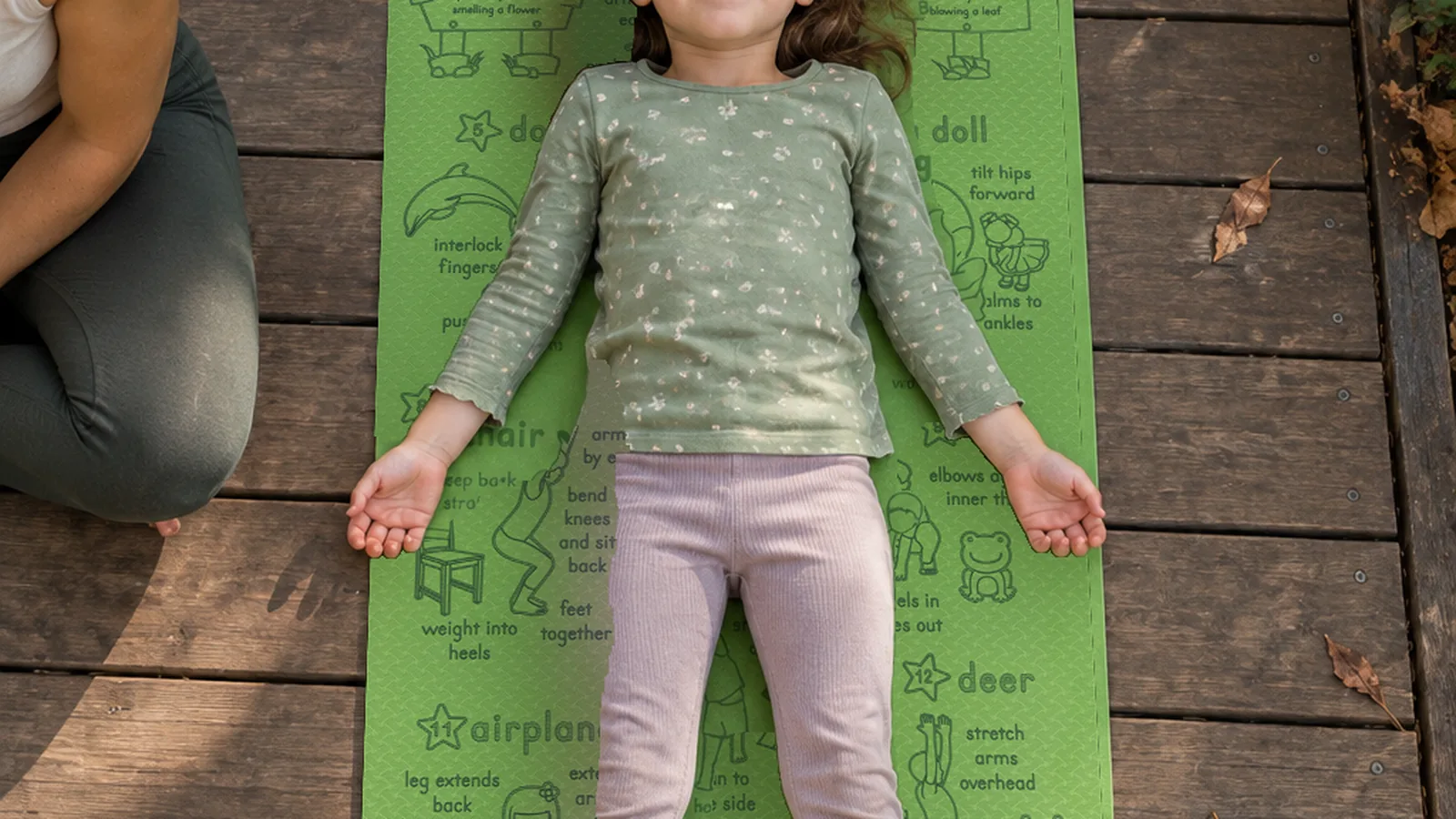
Our Sun Salutation mat numbers its poses, so a child starts at mouse, pose 1, and works up to dancer, pose 15, at their own pace. The numbers show the order, so a child can find the next one. Finishing the whole run is a small win they can repeat tomorrow.
7. Part of the school run on foot
Walk, scoot or cycle some of the way to school, even if it's only the last street. Development Matters, the government's early years guidance, encourages active travel to and from nursery as soon as children are able.
8. Balloon keepy-uppy
Blow up one balloon and keep it off the floor using hands, heads, knees and feet. Count the touches together and try to beat your record. It works in a small living room on a wet day. A grown-up blows it up and picks up any pieces straight away if it pops. RoSPA lists deflated balloons and burst pieces among the small objects to keep out of a young child's reach.
9. A kickaround or catch
Ten minutes in the garden or park with a ball, no rules needed. YoungMinds lists a kickaround or a game of catch as an activity where children find it easier to talk.
10. Follow my leader round the park
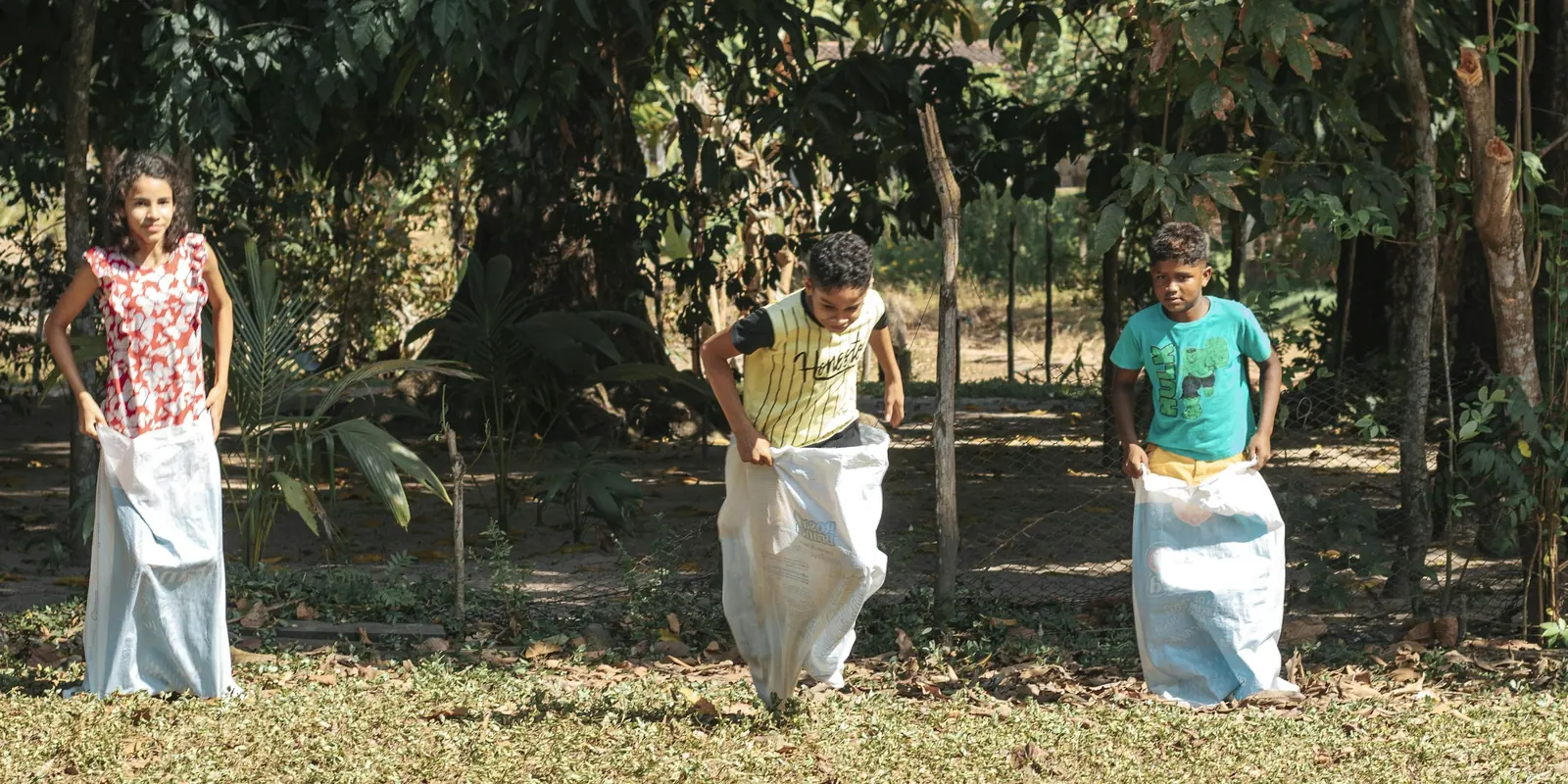
One person leads, hopping, skipping, walking backwards or zigzagging round the trees, and everyone copies. Swap leaders at each bench. It gets everyone moving without a word about exercise.
Which wellbeing activities help children learn something new?
Learning, for this step, means a skill they can see themselves getting better at, not schoolwork.
11. Cook one simple thing
The NHS suggests learning to cook something new. For a child, that might be a sandwich they build themselves, a bowl of overnight oats, or a plate of soft fruit arranged as a face. Spreading, sprinkling and stirring are all real cooking at four.
12. A small fix-it job
The NHS mentions DIY projects, like fixing a broken bike. Scale it down: mend a torn book page with tape, pump up a flat ball, or tighten a wobbly toy with a grown-up holding the screwdriver.
13. Hello in another language
Learn to say hello and thank you in a classmate's, neighbour's or grandparent's language, then use it all week. Learning a new language is on the NHS list for adults. For a child, two words and a proud face are plenty.
14. The shoelace project
Two minutes a day on tying a bow, on a shoe or a ribbon round a chair leg. Mark each day on the calendar. It's slow, then suddenly it isn't, and the day it works is worth remembering.
15. One balance, every day
Pick one balance, such as tree, which is pose 14 on our Sun Salutation mat, and count how long your child can hold it each day. Write the number down. Our balance poses for kids have more to try once tree feels easy.
Which wellbeing activities are about giving?
Most of the NHS's examples of giving are small: saying thank you, asking how someone is and really listening, and helping out. Children can do all of them. There are more in our kindness activities for kids.
16. Ask a grown-up about their day
Swap roles at teatime: your child asks you how your day was and listens to the whole answer. The NHS lists asking people how they are and really listening to the answer as a way of giving.
17. Be the helper on a grown-up job
Washing the car, carrying the shopping, sorting the socks, raking leaves. Ask your child to be your helper rather than telling them to help. Offering to help someone is on the NHS list, and being needed feels different from being told.
18. Visit someone who'd like company
With a grown-up, visit a grandparent or an older neighbour who might like a visitor, and take a drawing or a story to tell. Spending time with people who need company is one of the NHS's own examples.
19. A litter pick in the park
Take gloves, a bag and a grown-up, and pick up litter from one small patch of the park or the street outside. Children never touch glass, sharp things or needles: they point and a grown-up decides. It's a child-sized version of the community volunteering the NHS suggests.
20. One toy for the charity shop
Your child chooses one toy in good condition that someone else could enjoy, and carries it into the charity shop themselves. Let it be their choice, not a clear-out.
Which wellbeing activities help children notice?
Noticing is the mindfulness step. Anna Freud, the children's mental health charity, describes mindfulness as tuning in to what's happening right now, like the sound of birds or the feel of something in your hand. For seated exercises, see our mindfulness for kids guide. These five are done on the move or outside.
21. Cloud shapes on a blanket
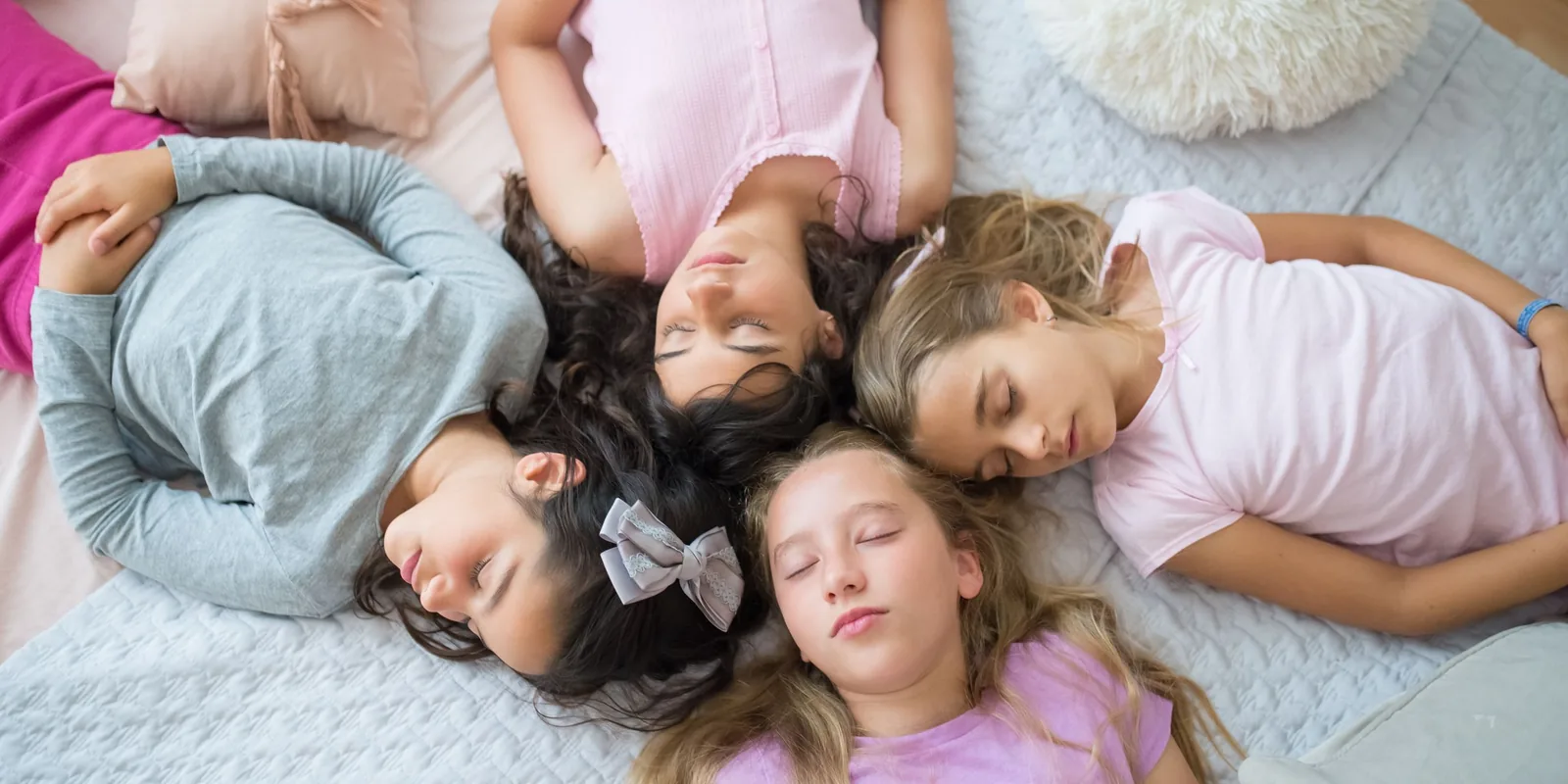
Lie on your backs on a blanket and find shapes in the clouds: a rabbit, a boot, a dragon. Watch one change until it's something else. The sky does the work.
22. The slowest strawberry
Give everyone one strawberry, or a slice of apple, and see who can eat it slowest. For children aged 5 and under, early years food safety advice is to cut strawberries lengthways into quarters, so give a quarter each. Look at it first, smell it, feel it, then take tiny bites. Small children treat it as a race to be last, which is exactly the idea.
23. What's different today?
On a walk you do every day, like the school run, each person spots one thing that's changed since yesterday: a new flower, a parked van, a cat on a wall. It turns a walk you could do with your eyes shut into a hunt.
24. The bird minute
Sit still at a window, on a bench or in the garden for one minute and count the birds you see or hear. One minute is long enough for a four-year-old to notice how much is going on.
25. Rough, smooth, bumpy
On a walk, each person finds three things with different textures: bark, a smooth pebble, a bumpy wall. Describe them with eyes closed. It gives a fidgety child something to do with their hands while they notice.
How do you fit all five steps into one session?
For a KS1 class, ages 5 to 7, keep each part short and adult-led. A fifteen-minute session: a walking chat in pairs round the playground (connect, four minutes), balloon keepy-uppy in teams (active, three minutes), hello in a classmate's language (learn, three minutes), tidy the book corner for the next class (give, four minutes), and the bird minute at the window (notice, one minute).
For KS2, ages 7 to 11, hand it over: pupils run buddy reading with the infants, design their own five-step chart for the week, and take turns leading.
At home, a weekend morning covers all five without anyone noticing: a walk to the park with a chat on the way, a kickaround, a new word in another language, one toy picked for the charity shop, and cloud shapes before lunch.
If you'd like a be-active step your child can run alone, our Sun Salutation mat has 15 numbered, laser-engraved poses from mouse to dancer, so they can follow it without a screen or a grown-up calling out the next move. For a whole week of these ideas built around one theme, see our Children's Mental Health Week activities.
When is it more than a bad day?
Wellbeing activities are for every child, not a treatment. The NHS's Every Mind Matters lists signs a child might be struggling: significant changes in behaviour, ongoing difficulty sleeping, withdrawing from social situations, not wanting to do things they usually like, and self-harm or neglecting themselves.
It also says you know your child better than anyone, and that teachers, school nurses and GPs can help you find the right support. If you're worried, start with their teacher, your health visitor or your GP. The YoungMinds Parents Helpline offers free, confidential advice to parents by phone, email or webchat.
Frequently asked questions
What are the 5 ways to wellbeing for children?
Connect, be active, keep learning, give and take notice. The NHS calls them the five steps to mental wellbeing: connect with other people, be physically active, learn new skills, give to others and pay attention to the present moment. They were written for adults, but each one has a child-sized version, such as a card game, a balance practised daily or a minute spent watching birds.
What is a good 10-minute wellbeing activity?
A walk round the block with one easy question halfway is hard to beat, because it covers connecting, moving and noticing at once. Indoors, try balloon keepy-uppy for five minutes, then the slowest strawberry. For a class, three minutes each of a walking chat and keepy-uppy, then the bird minute, fits inside ten minutes.
Are wellbeing activities the same as mindfulness?
No. Mindfulness is one of the five steps, the noticing one. Wellbeing activities are the wider set: time with people, moving, learning something, and doing something for someone else. A child who hates sitting still can do plenty for their wellbeing without a single breathing exercise, which is worth knowing if mindfulness hasn't clicked.
How often should children do wellbeing activities?
Little and often works better than a big session once a term. Most of the activities here take under fifteen minutes, and several, like the walking chat or tea at the same time each day, are really habits rather than activities. Aim for something from each step across a week rather than all five every day.
Sources
- NHS - 5 steps to mental wellbeing
- NHS Every Mind Matters - Looking after a child or young person's mental health
- YoungMinds - How to talk to your child about mental health
- YoungMinds - Parents Helpline and webchat
- Anna Freud - Mindfulness
- Department for Education - Development Matters
- Department for Education - Help for early years providers: food safety
- RoSPA - Choking: hazards in the home