community
Children's Mental Health Week Activities: 20 Ideas by Age
20 Children's Mental Health Week activities for ages 3 to 8, for EYFS, KS1, KS2 and home, with no screen needed and nothing to print or buy.
Children's Mental Health Week runs every February, organised by the children's mental health charity Place2Be. Here are 20 Children's Mental Health Week activities for ages 3 to 8, grouped by age and setting: nursery, KS1, Years 3 and 4, and home. Each one helps children notice and name feelings, or see a situation from someone else's side, and none needs a screen, a printer or anything bought. Planning the rest of February at home? Our Valentine's Day ideas for kids sit alongside these.
What is Children's Mental Health Week?
Children's Mental Health Week is an awareness week that Place2Be launched in 2015 and runs every February, to give children and young people a voice about their mental health. Schools, families and community groups take part.
Each week has its own theme, and the dates move a little from year to year, so check the Children's Mental Health Week site for the dates and theme before you plan. Place2Be offers free resources for schools and families there, and some schools also raise money for the charity during the week. The activities below work alongside whatever pack you use, and in any week of the year.
How do you match activities to the week's theme?
Whatever the theme, these activities practise skills that suit any year: noticing feelings, naming them, listening, and seeing a situation from someone else's side. The Department for Education's Development Matters guidance puts that last one plainly for 3 and 4 year olds: "Help children explore situations from different points of view."
So every activity here works on at least one of those skills, and a few give the grown-ups a turn too. Pick the group for your age range, then use the theme's own words when you introduce it.
20 Children's Mental Health Week activities by age and setting
Children's Mental Health Week activities for EYFS and early years
These four suit early years children aged 3 to 5, in nursery, Reception or with a childminder.
1. Feelings faces. Take turns pulling a happy, sad, angry or worried face, and the others guess. Then ask: "When did you last feel like that?" Development Matters uses those same four words for 3 and 4 year olds: "Talk about their feelings using words like 'happy', 'sad', 'angry' or 'worried'." Age 3 and up.
2. How is Teddy feeling? Halfway through a story, stop and hold up a teddy as one of the characters. Ask how Teddy feels now, and why. Development Matters gives its own example to try in pretend play: "I wonder how the chicken is feeling, now the fox is creeping up on her?" Age 3 and up.
3. Down at my height. The grown-ups spend five minutes moving round the room on their knees, at a three-year-old's eye level, then say what they noticed: the coat pegs, the view out of the window, the underneath of the table. Children enjoy watching grown-ups on the floor. Age 3 and up.
4. Feelings thermometer. Draw a big thermometer from calm at the bottom to very cross at the top. Each child points to where they are when they arrive, or when something tricky happens. Help for Early Years Providers suggests using "the thermometer or feelings cards when children try tricky new things". Age 3 and up.
Moving together, on the mat or the carpet
These four work at any age from 3 to 8, at home or in a hall.
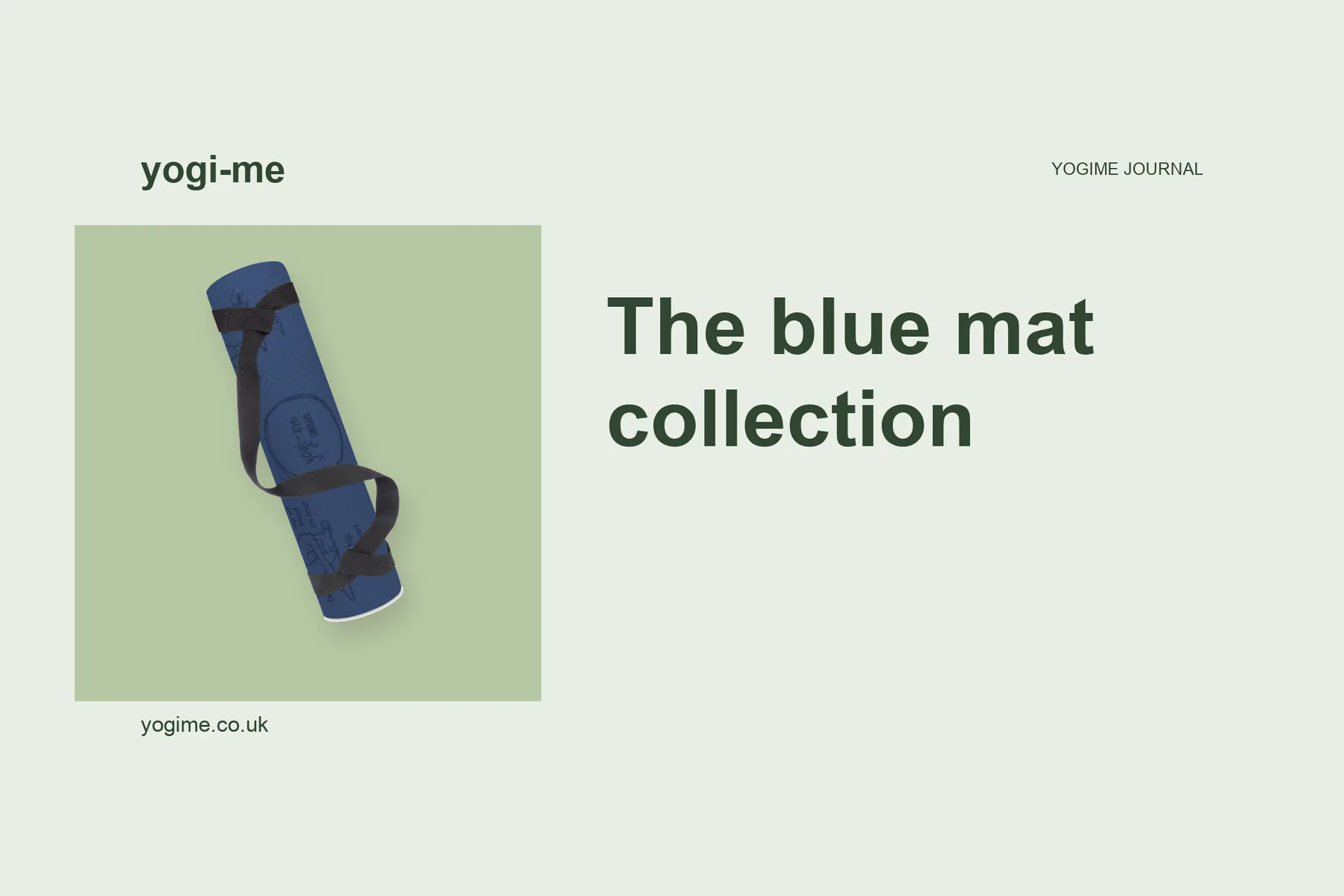
5. You lead, I follow. This one is ours. The child chooses the poses and the grown-up copies, then the child says how the grown-up did. On our Freedom Flow mat the 15 poses are numbered, so a child who can't read yet can lead by pointing: butterfly, flower, star. New to the poses? Start with our beginner's guide to kids' yoga. For a class, see mats for schools and nurseries. Age 3 and up.
6. Walk it how you feel. Children cross the room the way a happy, tired or worried person walks, and the others copy, then guess the feeling. Then ask the walker: "What made you walk like that?" Some children find showing a feeling easier than talking about it. Age 4 and up.
7. Back-to-back breathing. Sit back to back with a partner and breathe slowly. Say: "Can you feel their breathing through your back?" Then ask: "Was theirs fast or slow?" It's noticing someone else without any words at all. There are more breathing games for children if this one goes down well. Age 4 and up.
8. Feelings statues. Call a feeling: proud, shy, cross, excited. Everyone makes a body shape for it and freezes. Pick two statues and ask the class what they notice: two children can show the same feeling in different ways. Then call the opposite feeling and watch everything change. Age 4 and up.
Children's Mental Health Week activities for KS1
Years 1 and 2, ages 5 to 7.
9. The view from my window. Draw what you see from your bedroom window, or on the way to school. Swap with a partner and ask one question about their picture. Two children, two views of the same town. Age 5 and up.
10. Feelings detective. Read a picture book and stop twice to ask: "How is she feeling? How can you tell?" Children point to the clues in faces and bodies, and there's no wrong answer if they can say why. Age 5 and up.
11. A feelings word wall. Add one new feelings word a day all week, such as proud, nervous, left out or excited, on a classroom wall or the fridge. The government's health education guidance for primary schools asks for a varied vocabulary for feelings, and a week of new words is a start. Age 5 and up.
12. Interview a classmate. Pairs ask each other three questions: a favourite place, something they find tricky, and what makes them laugh. Then they tell the class one thing they learned. Listening without interrupting is the hard part. Never ask "What worries you?" in front of a class. For more on getting along, see our kindness activities for kids. Age 6 and up.
Children's Mental Health Week activities for KS2, Years 3 and 4
Ages 7 and 8, the top of our age range.
13. Hot-seating. One child sits in the "hot seat" as a story character, and the class asks how they felt and why they did what they did. It's stepping into someone else's shoes, the drama-lesson way. Age 7 and up.
14. Same thing, different view. Put one object in the middle of a circle and everyone draws it from where they sit. Compare the drawings. Then talk about how two people can see the same playground argument differently. Age 7 and up.
15. Everyone feels this sometimes. Spread out cards with feelings on them: worried, fed up, nervous, cross, lonely. Each child quietly picks up every card they've ever felt. Most children end up holding nearly all of them, which is the point. Age 7 and up.
16. My trusted adults. Children draw themselves in the middle of a page and the people they could talk to around them, at home and at school. Primary schools in England teach pupils who in school they can speak to if they're worried, and this is a private version. Keep the drawings private and never display them. Age 7 and up.
At home and with grandparents
For evenings, weekends and the grandparent who has them after school.
17. Child-led half hour. Your child chooses what you do together for thirty minutes, and you follow, with phones away. The NHS's Every Mind Matters advice for parents: "Show interest in their life and what's important to them." Age 3 and up.
18. Best bit, tricky bit. At bedtime or teatime, everyone shares one best bit and one tricky bit of their day, grown-ups included. Hearing that a grown-up had a tricky bit too is half the value. Age 4 and up.
19. When I was seven. A grandparent and a child swap stories of being the same age: school, games, what was hard, what was funny. Our mats are full length, so there's room for a grandparent to follow their lead too. Age 5 and up.
20. Teach me a game. Your child teaches you a playground game you've never played, and you're the beginner who gets it wrong. Let them explain the rules twice. Being the expert for once is a different view of the world. Age 5 and up.
How do these activities fit the EYFS and the primary curriculum?
In the early years, they sit under personal, social and emotional development. The EYFS statutory framework sets two early learning goals they line up with: Self-Regulation, where children "Show an understanding of their own feelings and those of others", and Building Relationships, where they "Show sensitivity to their own and to others' needs".
In primary school, they fit health education. The Department for Education's statutory guidance asks schools in England to teach pupils to recognise and talk about feelings, and where to get help, including who in school they can speak to. The activities don't meet those goals on their own; they're a week of practice. If you'd like to keep something going weekly afterwards, a short routine for yoga in the classroom is one option.
A Monday to Friday plan for the week
One activity a day is enough. Here's a week for a Reception or KS1 class, which also works at home:
- Monday: feelings faces, then down at my height for the grown-ups.
- Tuesday: how is Teddy feeling, with a favourite story.
- Wednesday: walk it how you feel, then back-to-back breathing.
- Thursday: the view from my window, with the pictures swapped on Friday morning.
- Friday: you lead, I follow, then best bit, tricky bit to end the week.
For a calmer start to each day, our mindfulness in the classroom minutes slot in before the register.
Let them lead in February. Our mats have 15 numbered poses laser-engraved into the surface, so a three-year-old can lead a grown-up without a screen. Choose a colour: £34.99 with free UK delivery, and 10 per cent off two or more if two children both want to lead.
Activities for a child who won't talk about feelings
Let it go for now. The NHS advice on talking to children about feelings is that if a child doesn't want to open up, "let the subject go" and try again another time. The moving and drawing activities above don't need any talking, which is why they're there.
If you're still worried about a child after talking to them, the NHS says you can get more help and support from a GP. The YoungMinds Parents Helpline is free on 0808 802 5544, Monday to Friday, for parents and carers. If a child is in danger right now, call 999.
Frequently asked questions
When is Children's Mental Health Week?
Children's Mental Health Week is every February. Place2Be sets the exact dates and a new theme each year, so check the Children's Mental Health Week website before you plan. The 20 Children's Mental Health Week activities above don't depend on the dates or the theme, so you can prepare them well before February.
Is it the same as Mental Health Awareness Week?
No. Children's Mental Health Week is run by Place2Be every February and focuses on children and young people. Mental Health Awareness Week is a different campaign, run by the Mental Health Foundation every May, for everyone. Some schools mark both, and most of the activities here work for either week.
Can you use these activities for World Mental Health Day?
Yes. World Mental Health Day is on 10 October every year, marked by the World Health Organization. Every activity in this list works in October as well as February, and the moving and drawing ones suit a single day well. You lead, I follow and best bit, tricky bit both take less than ten minutes.
Do you need Place2Be's resources to take part?
No. Place2Be offers free resources for schools and families on the Children's Mental Health Week website, and they're worth a look, but nothing here depends on them. Every activity in this post needs only paper and pencils, a teddy, a story book or a rug, so you can take part without printing anything.
Sources
- Place2Be: Children's Mental Health Week
- Place2Be: About Children's Mental Health Week
- Department for Education: Development Matters
- Department for Education: Help for Early Years Providers, emotions
- Department for Education: Early years foundation stage (EYFS) statutory framework
- Department for Education: Relationships education, relationships and sex education (RSE) and health education
- NHS: Talking to your child about feelings
- NHS Every Mind Matters: Looking after a child or young person's mental health
- YoungMinds: Parents Helpline
- Mental Health Foundation: Mental Health Awareness Week
- World Health Organization: World Mental Health Day