community
Kindness Activities for Kids: 20 Ideas for Home and School
20 kindness activities for kids aged 3 to 8, for home, school and World Kindness Day, plus what nursery and Reception are working towards.
Kindness activities for kids work when they're small, specific and done often. Here are twenty for children aged 3 to 8, sorted by who the kindness is for: the people at home, friends at nursery or school, grandparents and neighbours, plus a few on the mat and a few for World Kindness Day and December. Nothing needs printing, and most take five minutes.
What are kindness activities for kids?
Kindness activities for kids are small, planned chances for a child to do something for someone else, such as taking turns, helping or saying what they noticed, so that kindness becomes a habit rather than a lecture. They suit children from about three, with a grown-up alongside.
Start anywhere in the list below. One kindness activity a day is plenty, and the same one every day for a week is fine too. Each idea says the age it suits best. Where it says "with a grown-up", that's a real instruction, not a formality.
20 kindness activities for kids, by who they're for
Kindness activities for kids at home
1. Secret helper. Pull a family member's name from a jar in the morning and do one small job for them before bedtime, such as laying their place. At teatime they guess who it was. The secret is half the fun. Age 4 and up.
2. Kindness spotting at teatime. Everyone names one kind thing they saw someone else do today: "I saw Sam hold the door for Grandad." It's about noticing other people, not being thanked. Grown-ups go first. Age 3 and up.
3. The kindness jar. Write small kind acts on slips of paper: help lay the table, share a snack, draw someone a picture. Pull one out each morning and do it that day. For pre-readers, draw the act instead. Age 3 and up.
4. Welcome-home job. Get something ready for the next person through the door: slippers by the mat, a cushion plumped, their place laid. It's a job with a clear finish and a person at the end of it. Age 3 and up.
On the mat: kindness you can move
These four are our own ideas. The first works best on a mat with numbered poses, and if you're new to poses, here's how to start yoga with your child.
5. Take turns being the caller. One child calls a number from 1 to 15 and the other finds that pose and holds it, then swap. The poses on the Sun Salutation mat are numbered, so a child who can't read yet can still call. Age 3 and up.
6. Mirror me, slowly. Face each other. The leader moves one arm, then the other, slowly enough for the follower to keep up. Kindness here is going at someone else's speed. Swap leaders after a minute. No mat needed. Age 4 and up.
7. Tree, side by side. Two children stand on one leg in tree pose, next to each other, holding hands to keep each other steady. Holding hands is our variation. There are more partner yoga poses to try together. Age 5 and up.
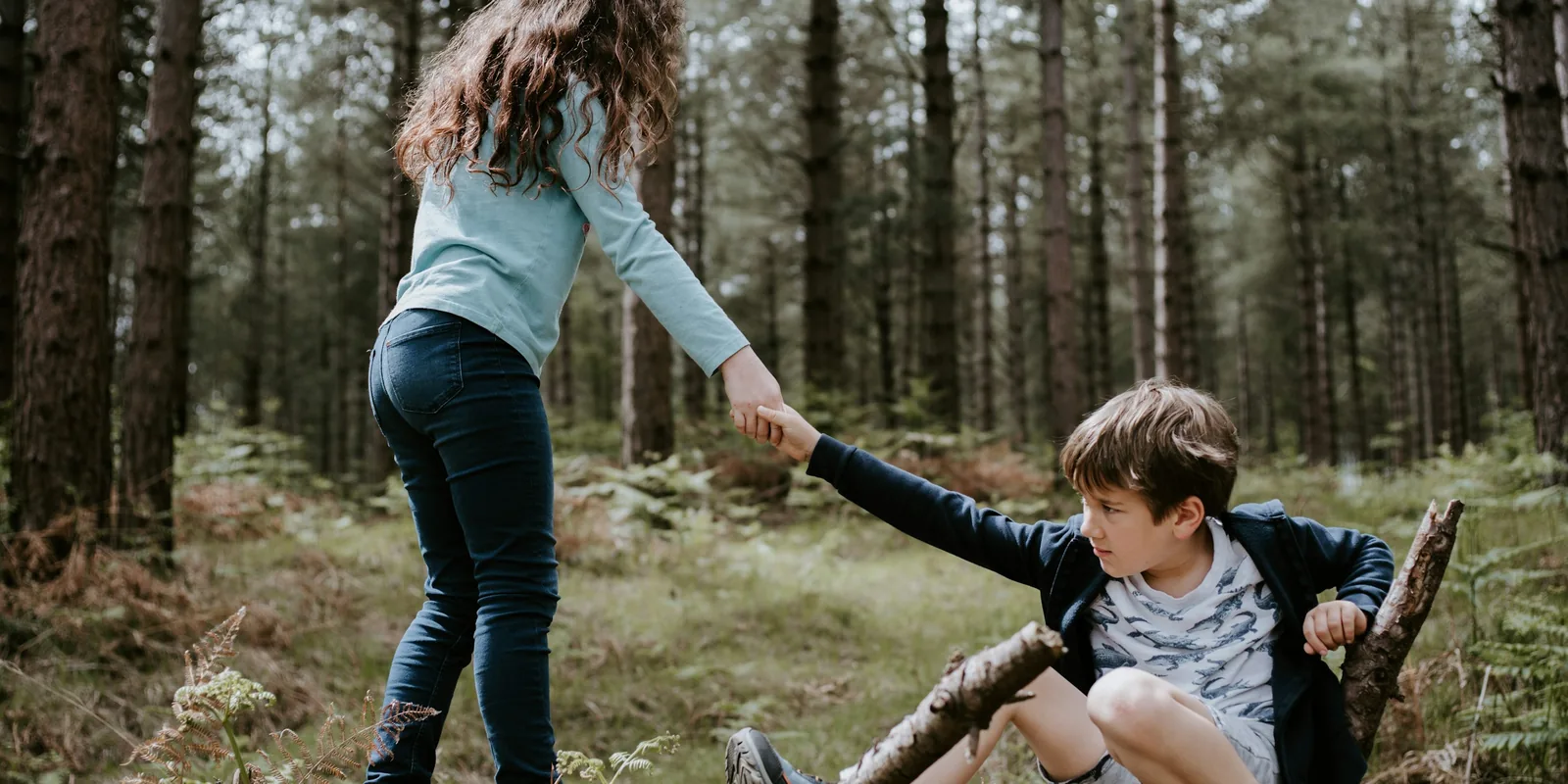
8. Help the smallest one. An older child helps a younger sibling or cousin into an easy pose, asking first ("Can I help?") and using gentle hands, never pulling. The helper learns to wait for a yes. Helper aged 6 to 8.
Kindness ideas for kids at school
9. Compliment circle. Sit in a circle and each child says one kind thing to the person next to them. Under-fives can say what that child is good at: "You're good at building." It works in class or round the kitchen table. Age 3 and up.
10. "Come and play." Practise the exact words for inviting someone into a game: "Do you want to play?" Role-play it with teddies at home, then let your child try it in the playground. Knowing what to say makes it easier. Age 4 and up.
11. Kindness chain. Add a paper link for every kind act the class notices and let the chain grow along the wall. It suits a school marking Anti-Bullying Week or World Kindness Day. At home, hang it across a bedroom door. Age 4 and up.
12. Ten turn-taking minutes. A class takes turns calling poses, one mat per child or pair, and everyone is caller once before anyone goes twice. If you teach and want mats for a whole class, there's a page for schools and nurseries. Age 4 and up.
For grandparents and neighbours
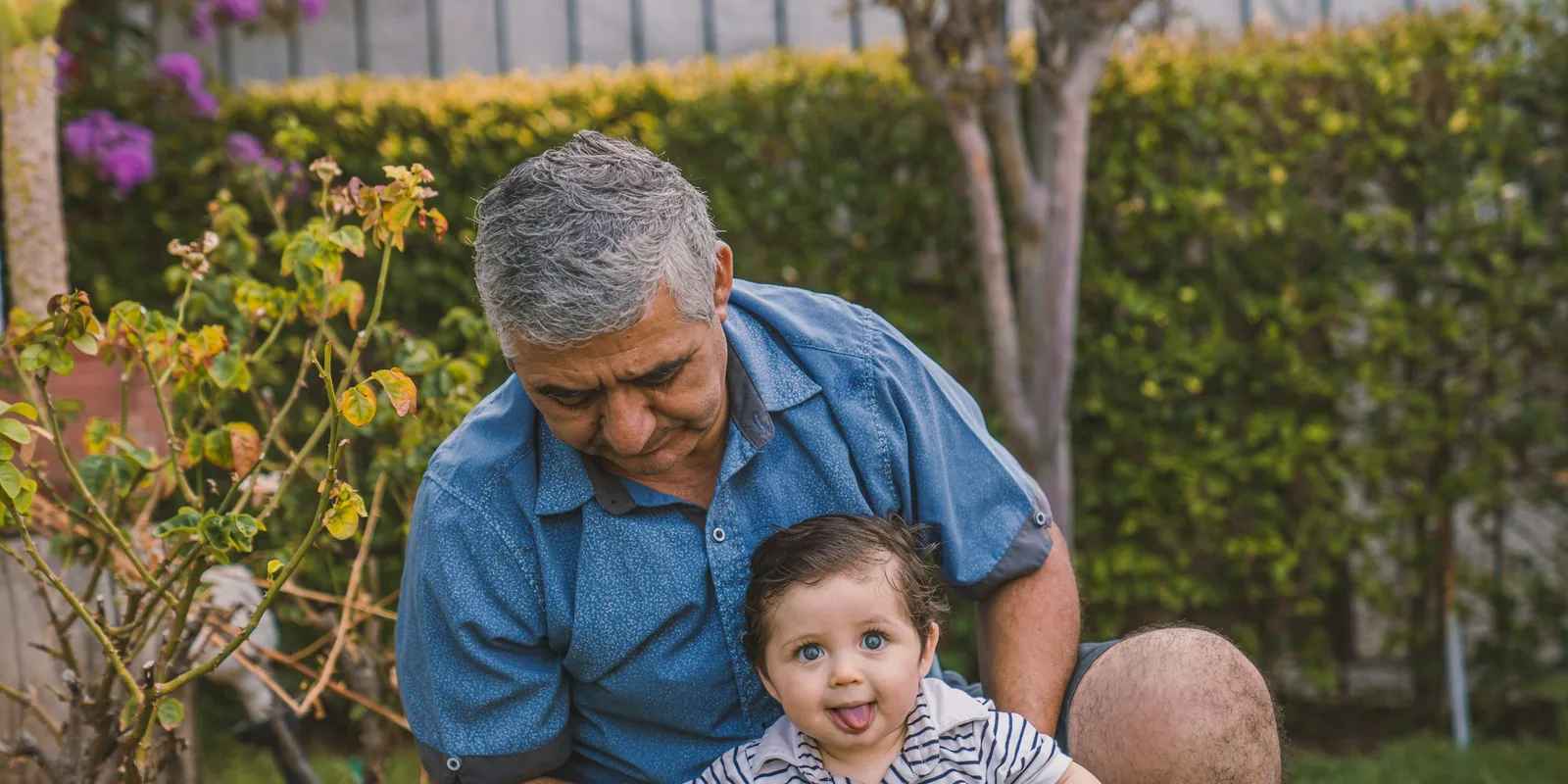
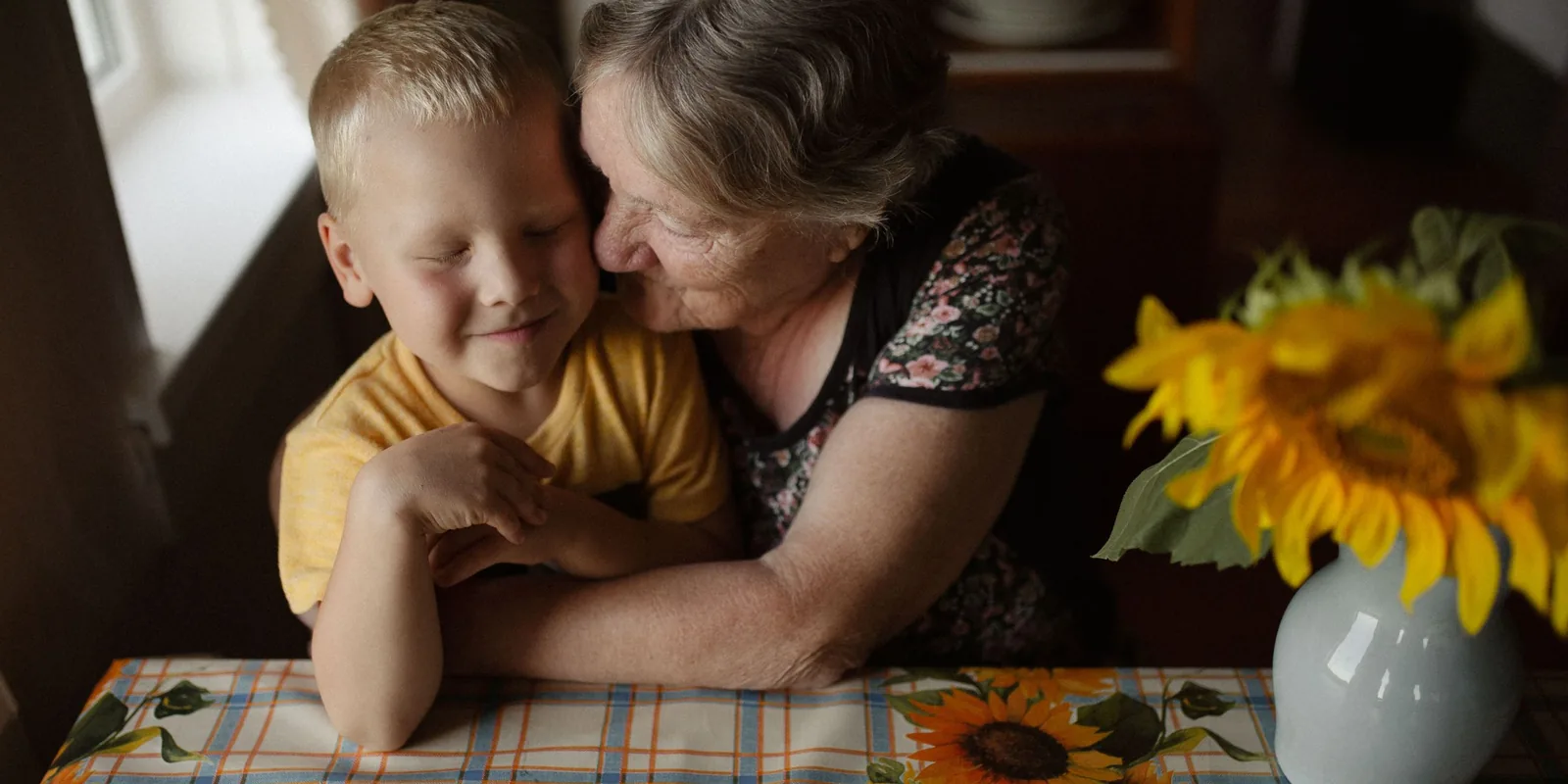
13. Teach Grandma or Grandad five poses. Your child leads and the grown-up follows, which turns the usual roles round nicely. Buying as a grandparent? Our mats are full length at 183 x 61 cm, so there's room for you to have a go too. Age 4 and up.
14. Post a picture. Draw a picture for someone who lives alone or far away, write the address together and post it. The walk to the postbox is part of it. If they reply, read it out and put it on the fridge. Age 3 and up.
15. One tin for the food bank. Let your child choose one tin, carry it and put it in the collection themselves. Some supermarkets have a collection point near the tills. Keep the explanation short: "This is for someone who needs some food." Age 4 and up.
16. A wave and a hello. Say hello to a neighbour on the way to school, with a grown-up, and wave to the same person each day. It's the smallest act on the list and the easiest to keep going. For a shy child, a wave counts. Age 3 and up.
For World Kindness Day and December
17. Kindness bingo on 13 November. World Kindness Day is 13 November. Draw five boxes in a row, each a small act: hold a door, share, help tidy, say thank you, draw a picture. Tick them off through the day. Age 4 and up.
18. Kind to the birds. When the weather turns cold, hang a simple feeder or put out a shallow dish of water, and check it together each morning. It's kindness to something that can't say thank you. A grown-up does the hanging. Age 3 and up.
19. A kindness advent calendar. Behind each door in December, a small kind act instead of a sweet: ring Grandad, make a card, carry the shopping. For the other doors, mix in a few of our advent calendar activities for kids. Age 4 and up.
20. Random acts of kindness. A random act of kindness is a kind thing done for someone you may not know, with no thanks expected. With a grown-up, leave a drawing on a neighbour's doorstep or a chalk hello on your own front path. Age 5 and up.
What do kindness activities in the EYFS build towards?
Kindness activities in the EYFS build towards one of the early learning goals, the level children are expected to reach by the end of Reception. The EYFS (early years foundation stage) is the set of standards nurseries, childminders and schools in England follow for children from birth to 5. Reception is the first year of primary school, and most children start it "in September after their fourth birthday", according to gov.uk.
Under "Building Relationships", the EYFS statutory framework says children at the expected level will "work and play cooperatively and take turns with others" and "form positive attachments to adults and friendships with peers".
The Department for Education's Development Matters guidance tells Reception staff to "congratulate children for their kindness to others and express your approval when they help, listen and support each other". It also suggests "narrating what was kind and considerate about the behaviour".
That's a method you can use at home. When your child does something kind, say what it was: "You waited so your brother could have a go first. That was kind." It's what the kindness spotting at teatime (2) practises.
How do you explain kindness to a child?
For an under-five, keep it to one sentence and an example: "Kind is when you notice someone and do something to help." Then point it out when it happens, in them and in other people, because a three-year-old learns the word from the moments more than from the definition.
For six- to eight-year-olds you can add the harder part: kindness sometimes means doing something you didn't feel like doing, or noticing someone who's on their own. Ask them: "Who looked like they needed a friend today?" Their answers are often better than ours.
Three kindness routines for an ordinary week
A few of these joined up make a short routine that fits an ordinary week. Three that work:
- Ten minutes after school: kindness spotting on the walk home (2), then two turns each as caller on the mat (5).
- A Sunday: a secret helper in the morning (1), then a picture posted in the afternoon (14).
- A grandparent visit: teach Grandma five poses (13), then a wave to a neighbour on the way home (16).
If kindness spotting goes well, the natural partner is noticing what other people do for us, and our gratitude activities start there. For more ideas across the week, here are more screen-free activities for 3 to 8 year olds.
Roll out a turn-taking game
The caller game needs one thing to work well: poses with numbers on, so the youngest child can still call. That's what's engraved into our mats. Fifteen numbered poses, standing ones on Sun Salutation and floor ones on Freedom Flow, so nobody needs a screen to know what's next. Each is £34.99 with free UK delivery, and if two children would rather move side by side than share, there's 10 per cent off two or more. Take a look at our mats.
What if your child doesn't want to share?
That's normal, especially at three. The Department for Education's Development Matters checkpoint for around the age of 3 asks only whether a child "can sometimes manage to share or take turns with others, with adult guidance". Sometimes, with help, is the expectation.
So take turns rather than forcing a share. A turn has a clear start and a clear end, which is easier for a small child to accept than giving something up for good. Count the turn out loud, keep it short, and give it back when you said you would. Notice it when they manage it, and leave it when they don't.
Frequently asked questions
When is World Kindness Day?
World Kindness Day is on 13 November. It's a good day for a kindness chain at school or a bingo card at home, with five small acts to tick off. You don't need to wait for it, though: any of the twenty kindness activities for kids above works on an ordinary Tuesday.
Can kindness be taught?
Yes, mostly by example. Development Matters asks Reception staff to model positive behaviour and to say what was kind about it when a child does it. At home that means being kind in front of your child, saying out loud what you did, and pointing it out when they do it.
Should you reward kindness with stickers?
Development Matters suggests staff congratulate children and "express your approval" when they're kind. Our own view is that words do the job. "You helped her up, that was kind" tells a child exactly what they did. A sticker chart can turn kindness into a trade, so we'd keep stickers for other things.
Why is kindness important for kids?
Getting on with other children is part of what nursery and Reception are working towards: the EYFS early learning goal for building relationships includes taking turns and forming friendships. Kindness is worth practising because it's how you'd like your child to treat people.