guides
Gross Motor Skills Activities for Young Children
Simple, no-kit gross motor skills activities for babies to school age, plus how much daily activity kids really need and easy indoor ideas.
Good gross motor skills activities match your child's stage: tummy time and reaching games for babies, ball kicking and cushion climbing for toddlers, animal walks, hopping and simple yoga balances for pre-schoolers, and skipping, catch and obstacle courses from five. None needs kit, and all of it counts towards the 180 minutes of daily activity the NHS recommends for under-5s.
You want your child moving, but the weather is grim, the living room is small, and the screen is winning. Sound familiar?
Gross motor skills are the big-muscle movements: crawling, walking, running, jumping, balancing, throwing and kicking. They are the foundation for everything from riding a bike to sitting up straight at a school desk. For the wider move to Reception, see our school readiness guide.
The good news is you do not need special kit or a big garden. Most of the best gross motor skills activities happen on the floor of your front room, and they cost nothing.
What are gross motor skills and why do they matter?
Gross motor skills are the movements that use the large muscles in your child's arms, legs and core: rolling, crawling, walking, running, climbing, jumping and catching. They build the strength, balance, coordination and body awareness your child needs for play, confidence, sport and sitting still to learn.
These skills develop in a rough order, from tummy time to skipping, and each stage builds on the last. Our explainer, what are gross motor skills, goes through that order in detail. A wobbly toddler who gets plenty of floor play tends to become a more confident runner and climber later on.
Physical development activities also support sleep, mood and behaviour, and they give restless little bodies a positive outlet.
How much physical activity does a young child need each day?
Children under 5 need at least 180 minutes (3 hours) of activity spread across the day, according to the NHS physical activity guidelines for under-5s. For pre-schoolers, at least 60 of those minutes should be moderate to vigorous. Children aged 5 to 18 should aim for an average of 60 minutes a day. Our guide to how much exercise kids need at each age explains what counts towards it.
That 3-hour figure can feel daunting, but it does not mean structured exercise.
It counts everything: toddling around the kitchen, dancing, climbing the stairs, walking to nursery and rolling on the floor. The UK Chief Medical Officers set the same 180-minute target in their guidelines for the early years, birth to 5.
The NHS also advises that children under 5 should not be inactive for long periods except when they are asleep. Long spells in a buggy, a high chair or in front of a screen add up quickly.
What are the best gross motor activities by age?
The best activities meet your child where they are. Babies need tummy time and floor play, toddlers need to walk, climb and kick, pre-schoolers thrive on running, balancing and pedalling, and school-age children love jumping, skipping and ball games. Match the activity to the stage and keep it playful.
Here is a quick guide you can pin to the fridge.
- Babies (under 1), Skills they are building: Head control, rolling, crawling, core strength; Activities to try at home: Tummy time, reaching for toys, rolling games, supported sitting
- Toddlers (1 to 2), Skills they are building: Walking, kicking, climbing stairs; Activities to try at home: Ball rolling and kicking, cushion climbing, push-along toys, dancing
- Pre-schoolers (3 to 4), Skills they are building: Running, jumping, balancing, pedalling; Activities to try at home: Animal walks, hopping games, balance beams (a line of tape), tricycle, simple yoga poses
- School age (5+), Skills they are building: Skipping, catching, hopping, agility; Activities to try at home: Skipping ropes, catch, hopscotch, obstacle courses, balance challenges
The NHS guidelines for under-5s say babies should get at least 30 minutes of tummy time spread through the day while awake, which builds the neck and shoulder strength everything else stands on.
Babies: tummy time and floor play
Lay your baby on their front for short, supervised spells while they are awake. Pop a toy just out of reach to encourage reaching and, later, crawling. Keep it on a soft surface and stay close.
Toddlers: walking, kicking and climbing
Roll a soft ball back and forth, then let them kick it. Build a safe cushion mountain to clamber over. Put on music and dance. All of it counts towards the daily 180 minutes.
Pre-schoolers: running, balancing and animal walks
This is where yoga and animal movements shine. Bear walks, frog jumps, crab crawls and a wobbly tree pose all build balance, core strength and body awareness, and they feel like a game rather than exercise. Our crossing the midline activities add the cross-body moves that come next.
School age: jumping, skipping and games
Skipping ropes, hopscotch chalked on the patio, catch, and homemade obstacle courses keep older children moving towards their 60 minutes a day. If your child wears a step counter, here is what the step figures for children actually mean.
Which developmental milestones should I look out for?
Milestones are a helpful guide, not a stopwatch. Walking usually arrives between 12 and 18 months, and in their second year most children start to run and kick a ball, and by around age 3 many are climbing more confidently, running with ease and getting up and down stairs with growing independence. Remember, every child develops at their own pace.
The NHS offers regular health and development reviews (your health visitor checks) up to around age 2 to 2 and a half, and these look at your child's general development, including movement. If your child is not walking by around 18 months, or you feel their movement is falling well behind, it is worth a friendly chat with your GP or health visitor. You know your child best.
Use the NHS baby and toddler development reviews as a rough guide, not a source of worry.
How can yoga help build gross motor skills indoors?
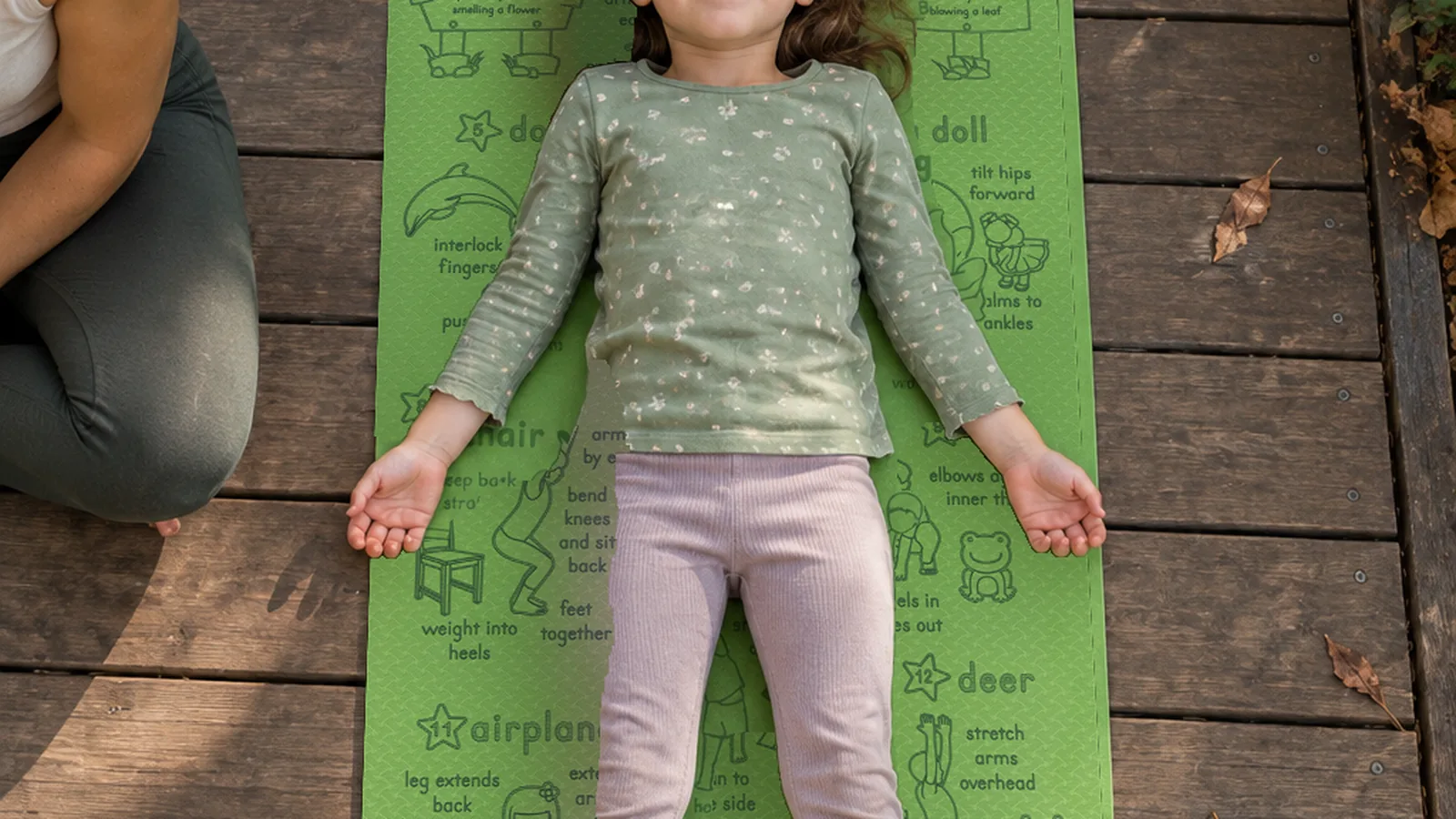
Children's yoga is one of the simplest ways to build balance, coordination, core strength and body awareness indoors on a rainy UK day. Poses like tree (balance), bridge (core), and animal walks (whole-body coordination) double as gross motor practice and a calm-down tool, with no equipment beyond a soft, non-slip surface.
Yoga is low-cost, needs almost no space, and works in all weathers.
It also brings a calming element that ball games do not, which helps with sleep and settling before bed. You can read more about the benefits of yoga for children and try a handful of easy yoga poses for kids to get started tonight.
Turning poses into animals (be a cobra, a downward dog, a flamingo) keeps younger children giggling and moving, which is exactly the point.
Making it a screen-free swap
Many parents feel guilty about screen time, and active play is the recommended swap. The World Health Organization advises no more than an hour a day of screen time for children aged 2 to 4, and says screens should not replace physical activity, free play or family time.
Ten minutes of animal poses before the television goes on is an easy trade.
Frequently asked questions
How much physical activity does a 3-year-old need?
At least 180 minutes (3 hours) spread across the day, with a minimum of 60 minutes at moderate to vigorous intensity, according to the NHS. It does not have to be structured. Walking, climbing, dancing and floor play all count towards the total.
Do I need equipment for gross motor activities?
No. Most gross motor skills activities use nothing but your child's own body and the floor: tummy time, animal walks, hopping, dancing and balancing along a line of tape. A soft, non-slip mat helps for yoga and tumbling, but a garden or gym is not needed.
What are good indoor activities for rainy days?
Animal walks, simple yoga poses, cushion obstacle courses, dancing to music, and balancing games all work in a small indoor space. Children's yoga is a favourite because it builds balance and core strength while also calming busy little ones down.
When should I speak to a health visitor about my child's movement?
Milestones vary, so use them as a guide. If your child is not walking by around 18 months, or you feel their physical development is falling well behind the NHS guides, have a relaxed conversation with your GP or health visitor. Early support is always available.
Get moving with Yogi-Me
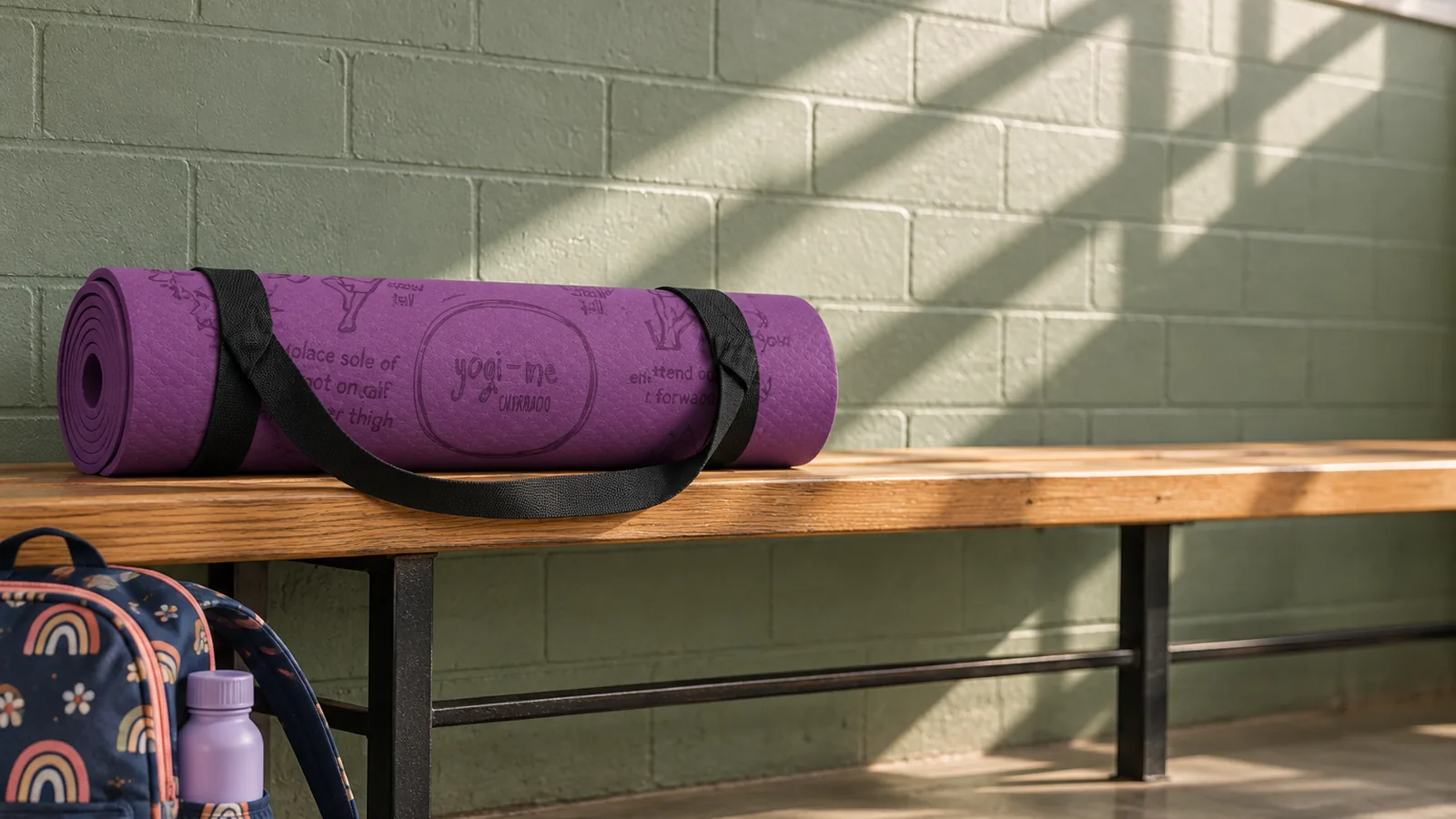
Little bodies were built to move, not to sit and swipe. A soft, non-slip mat with 15 numbered poses marked into it makes screen-free movement the easy choice, whatever the weather.
Browse the Yogi-Me shop to bring balance, coordination and a bit of calm into your living room today.
Sources
- NHS - Physical activity guidelines for children (under 5 years)
- NHS - Physical activity guidelines for children and young people
- NHS - Baby and toddler health and development reviews
- Oxford Health NHS Foundation Trust - Gross motor skills (babies and toddlers)
- GOV.UK - Physical activity for early years: birth to 5 years
- WHO - Guidelines on physical activity, sedentary behaviour and sleep for children under 5 years of age
- WHO - To grow up healthy, children need to sit less and play more