practice
Garden Games for Kids: 15 That Need No Kit
15 garden games for kids that need nothing you have to buy, sorted by how many are playing, and written for a small, damp British garden.
Garden games for kids don't need a boxed set from a shop. The 15 below need nothing you have to buy, or only things already in the house: pegs, a bucket, a few socks. They're sorted by how many are playing, from one child and a grown-up to a garden full of cousins, and written for an ordinary British garden: small, a bit damp, shared with the neighbours.
What makes a game work in a small garden?
A small garden needs games that move in short bursts and stay inside the fence. A few house rules help:
- Soft balls only. Rolled-up socks or a sponge ball, so nothing lands in next door's pond.
- One ball-over-the-fence rule, agreed before anyone starts. Ours is that the grown-up knocks and asks.
- Shoes on damp grass. Wellies or trainers. Bare feet on a wet lawn slip, and so do socks.
- Keep the noise for daylight. A game of sardines at 7am on a Sunday tests the friendliest neighbours.
Sunny days need a plan. The NHS sun safety advice for March to October is that children should "cover up with suitable clothing", "wear at least SPF30 sunscreen" and "spend time in the shade, particularly from 11am to 3pm". Morning and late afternoon suit most of these games better anyway.
Garden games for two players
These work for one child and one grown-up, or two children, in a garden of any size.
1. Shadow tag
The chaser has to stamp on the other player's shadow, not touch the player. Long shadows make it easier, so play in the morning or late afternoon. The chaser shouts "Got it" and swaps. Needs a bright day, which is rarer than it should be. From age 3.
2. Peg tag
Clip three clothes pegs to the back of each player's top. Each tries to steal the other's pegs while guarding their own. Whoever has all six wins. It's tag that needs no running space, just ducking and twisting. Off the washing line, from age 4.
3. Puddle long jump
After rain, find a puddle and see who can jump the widest part without a splash. Mark each landing with a stick. Wellies on, and accept that somebody gets wet. The most British game here, and the only one that's better in drizzle. From age 3.
4. Rolled-sock bucket ball
Roll socks into balls, put a bucket on the lawn and take turns throwing from a line. Every hit, the thrower steps back one big stride. Miss three in a row and you move forward again. Needs socks and a bucket, and works on the smallest patio. From age 3.
5. Lawn yoga swap
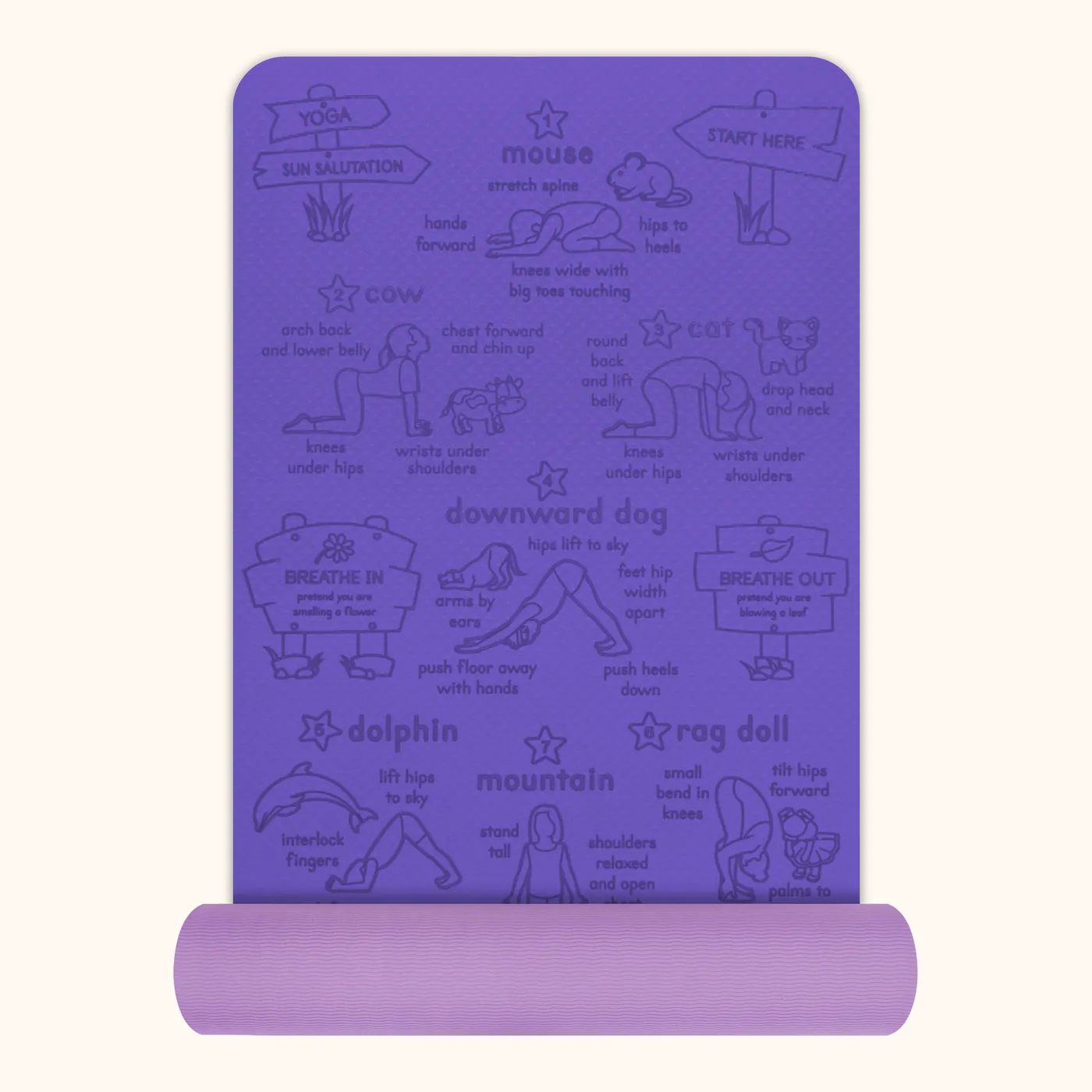
Roll a mat or a towel out on dry grass. Your child leads three poses, tree, chair and downward dog, say, and you copy every one; then swap. Hold each for three slow breaths. Children love correcting an adult's wobbly tree. From age 3, with the youngest leading two poses rather than three.
Garden games for three or four children
Siblings, a playdate or cousins on a Sunday. These need a little more space, or a shed to hide behind.
6. Sardines
Hide and seek reversed. One child hides, and everyone else looks. When you find the hider, you squeeze in with them, silently, until the last seeker finds a giggling heap behind the shed. Small gardens are fine; it's funnier when the hiding place is obvious. From age 4.
7. Wheelbarrow races
One child walks on their hands while a partner holds their legs. Race the length of the lawn, then swap. Hold above the knees rather than at the ankles, and keep the course short, because arms tire quickly. On dry grass only. From age 5.
8. Wet-sponge hot potato
On a warm day, stand in a ring and pass a soaking sponge while one player counts to ten with their eyes shut. Whoever holds it at ten squeezes it over their own head. Needs a sponge and a bucket of water. From age 4.
9. Leapfrog
One child crouches low, tucked tight with their head down, and the next puts their hands on their back and leaps over. Keep the crouch low and the leaps over the back, not the head. Then they crouch further along. Line up three or four and it becomes a moving train. From age 6.
10. Colour touch
The caller shouts a colour and everyone races to touch something that colour: a green leaf, a red flowerpot, a yellow ball. Last to touch calls next. It works in a garden of any size, and it gets very creative in November. From age 3.
Games for a garden full of children
Birthday parties, family gatherings, the long afternoon when the cousins come. Five or more players.
11. Duck, duck, goose
Everyone sits in a circle. One child walks round tapping heads: "duck, duck, duck", then "goose". The goose jumps up and chases the tapper round the circle back to the gap. If the tapper gets there first, the goose taps next. From age 3.
12. Fishes in the net
Two catchers hold hands to make a net. Everyone else is a fish. Each fish caught joins the net, which gets longer and harder to escape. The last fish free starts the next net. Needs a lawn you can run across, and at least six players. From age 5.
13. Sleeping bunnies
Everyone lies down still while you sing: "See the little bunnies sleeping till it's nearly noon." Then, "Wake up, little bunnies," and they hop round the garden until you sing them back to sleep. Ideal for three and four-year-olds at a party, and it calms things down. From age 2.
14. Rain, sun, wind
The caller shouts a weather. Rain: everyone shelters under the nearest tree or table. Sun: lie flat and sunbathe. Wind: spin on the spot. Last to do it is out, or becomes the next caller. A British garden gives you plenty of material. From age 3.
15. Kick the can
One child guards an empty tin in the middle of the lawn while everyone else hides. The guard hunts for hiders, but if someone dashes in and kicks the can, everyone caught is freed. A rinsed-out tin from the recycling is the only kit. From age 6.
An hour in the garden, start to finish
Mix one from each group, and end with something calm, so everyone comes in ready for tea.
- Two of you after school: shadow tag (1), rolled-sock bucket ball (4), then lawn yoga swap (5) to finish.
- A playdate: colour touch (10), sardines (6), wet-sponge hot potato (8) if it's warm.
- A birthday party: duck, duck, goose (11), fishes in the net (12), then sleeping bunnies (13) before the cake.
For the lawn yoga swap, our Sun Salutation mat has its 15 poses numbered and laser-engraved, ages 3 to 8, and it's 183 x 61 cm, adult length, so a grown-up doing tree fits on it too.
When they'd rather stay indoors
Some children don't want to go out, particularly on a grey day. Don't sell the game; start it. Go out yourself, set up the bucket and start throwing socks. Most children can't watch a grown-up miss for long without wanting a go.
It's worth the effort. Outdoor play is written into the NHS guidance for under-fives: every child aged 1 to 4 should get "at least 180 minutes (3 hours)" a day of moving about, and for toddlers that includes "playing outdoors". Older children, 5 to 18, should average an hour a day or more of activity that leaves them puffing, the NHS guideline says. Ten minutes of fishes in the net all counts.
For more ways to use the garden, try our scavenger hunt ideas, a back garden obstacle course, or the animal walks that turn any race into something sillier. And when the rain wins, there are plenty of screen-free ideas for indoors for ages 3 to 8.
Frequently asked questions
What are some fun garden games for kids?
Peg tag, shadow tag, sardines, wet-sponge hot potato and fishes in the net are the ones children ask for again, and none needs anything bought. For two players, shadow tag and peg tag work in the smallest garden. For a party, duck, duck, goose and rain, sun, wind get everyone playing at once.
What games can you play in a small garden?
Choose games that move on the spot or in short bursts rather than long runs. Peg tag, rolled-sock bucket ball, wheelbarrow races down the lawn, sleeping bunnies and colour touch all fit a garden a few metres long. Keep balls soft, so a stray throw doesn't end up through next door's greenhouse.
What are classic garden games?
Hide and seek, sardines, leapfrog, duck, duck, goose, kick the can and wheelbarrow races are the old ones, passed down without anyone writing the rules. They're handed down from older children to younger ones, which is why they need nothing more than a few players, a lawn and somewhere to hide.
Are garden games good exercise for children?
Yes, the chasing ones especially. Between 5 and 18, the NHS guideline is at least an hour a day on average of activity that gets the heart going and leaves them puffing, and fishes in the net or peg tag gets there quickly. For toddlers and pre-schoolers, the NHS guidance names outdoor play directly.