guides
How to Make Bubble Mixture (and Giant Bubbles)
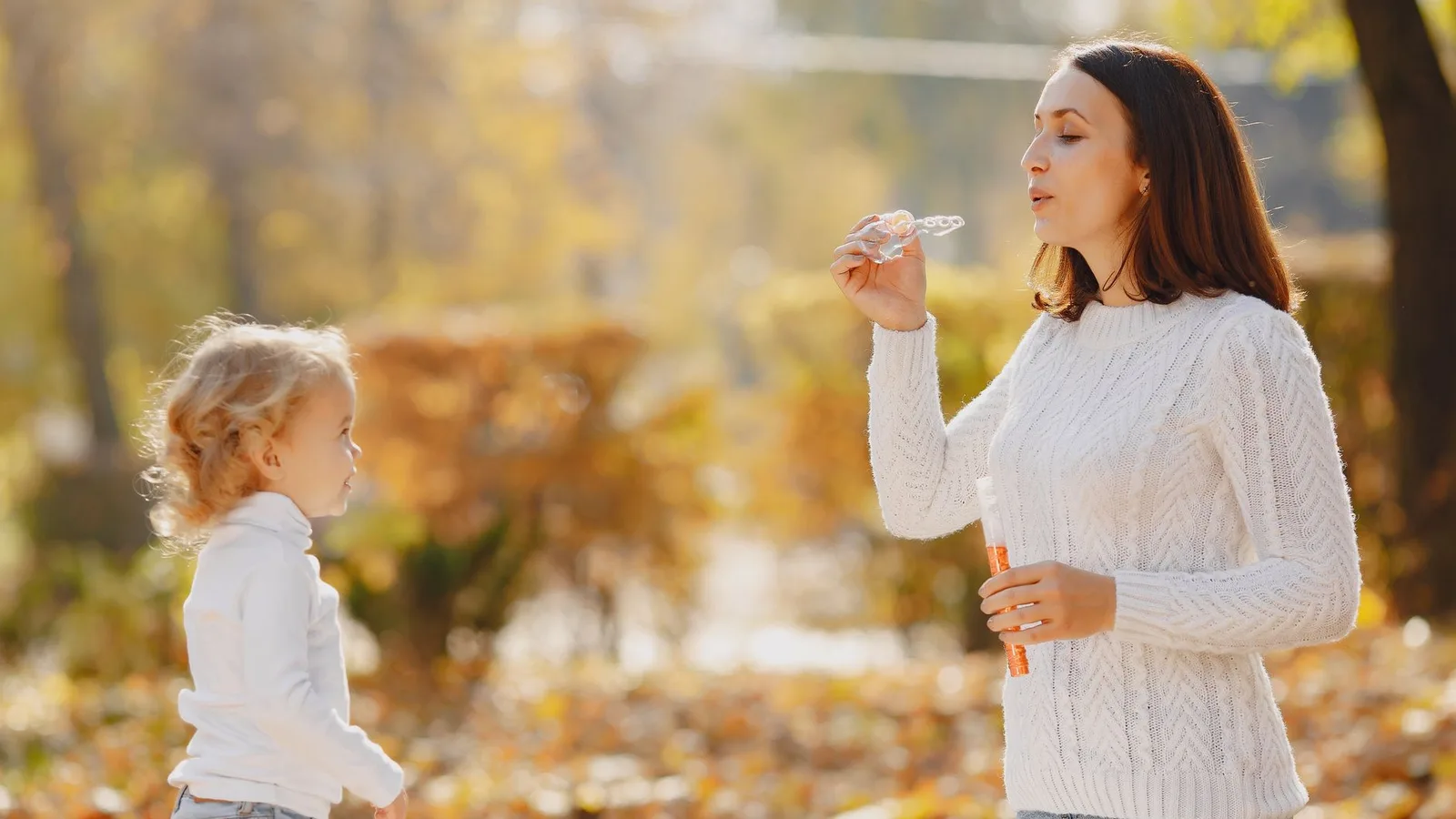
Make bubble mixture with washing-up liquid, try a measured giant-bubble recipe, then play catch, pop and chase before a quiet finish.
How do you make bubble mixture at home?
To make bubble mixture, gently combine 50 ml of washing-up liquid with 300 ml of water, as in Good Food's recipe. For giant bubbles, use the glycerine recipe below and a larger wand. Try the simple mix straight away, or prepare it the evening before and leave it to rest overnight.
An empty bubble pot doesn't have to end the afternoon. Choose a batch, then turn it into catch, pop and chase.
- Everyday bubbles, Water: 300 ml; Washing-up liquid: 50 ml; Glycerine: None
- Giant bubbles, Water: 1 litre; Washing-up liquid: 100 ml; Glycerine: 30 ml, or 2 tablespoons
The giant batch follows the Royal Institution's recipe. Look for glycerine in a supermarket baking section or ask a pharmacist. These are separate recipes, so don't pour the giant-bubble ingredients into your small batch.
Measure the washing-up liquid into a plastic bowl, add the water slowly and stir gently. Add the glycerine if using it. Science Museum Group explains that glycerine helps bubbles retain water, slowing evaporation.
Is it worth mixing the night before?
Yes, if you can plan ahead. Good Food says resting lets the mixture settle and combine, which can improve the bubbles. Overnight is useful preparation, but it isn't a reason to postpone playing when your child is already waiting at the back door.
Choose a sheltered outdoor spot. Science Museum Group notes that even a slight wind can affect the bubbles. A gap between showers is an invitation to try, without waiting for a summer afternoon.
What needs sorting before the first dip?
Have a grown-up stay with the activity. Bubble mixture can cause allergic skin reactions. Check ingredient labels for known allergies and avoid skin contact with ingredients your child reacts to. Keep mixture away from mouths and eyes, and wash hands afterwards, following the Royal Institution's precautions. Keep ingredients and resting mixture out of children's reach, in line with NHS advice on cleaning products.
Keep string loops and small loose parts away from under-3s: the Child Accident Prevention Trust warns about strangulation and choking. A grown-up handles the giant wand. Wipe up spills and keep chasing away from the tray; the Science Museum identifies slippery bubble mixture as a fall hazard.
How can you turn a bowl of bubbles into a game?
Set aside 10 minutes after mixing and preparing your equipment. Start with making bubbles, move through catching, popping and chasing, then finish by watching them drift. The timings below are a suggested running order, so repeat a favourite or stop early whenever you like.
For a giant wand, adapt the Royal Institution's wooden-spoon method: tie a string loop to the ends of 2 wooden spoon handles, leaving a shorter section across the top and a longer loop hanging below. Use a shallow tray wide enough to dip it.
1. Dip and float, 1 minute
Say, "Dip the little wand, lift it, then blow gently through the hole."
Let your child try while you hold the bowl. If nothing appears, take a turn yourself and let them watch the movement. Start with making any bubble at all; there's no size target yet.
2. Open a giant bubble, 2 minutes
Say, "Watch what happens when I open this loop."
With the spoons together, dip the string completely, lift it and slowly separate the handles. Move the open loop gently through the air, then bring the handles together. Let your child choose whether the next attempt should be wider or narrower.
3. Try catching, 1 minute
Say, "Hold your hand out and see whether a bubble lands."
Try a dry finger, then a finger dipped in the mixture, a comparison suggested by the Royal Institution. If your child grabs every bubble instead, make that the game. Catching is an experiment, not a promise that it won't pop.
4. Pick a popping rule, 2 minutes
Say, "Let's pop them with a fingertip, then try an elbow."
Take turns choosing the next body part, keeping it to hands, arms, knees or feet. You can also choose who blows and who pops. If siblings both want the same job, swap roles after each dip instead of keeping score.
5. Follow the floating bubbles, 3 minutes
Say, "Follow that bubble and see where it goes."
Choose a clear patch away from the mixing station and take turns sending bubbles across it. Your child can follow at their own pace, walk alongside or watch from their seat. For another outdoor game afterwards, try our garden games for kids.
6. Let the last bubble go, 1 minute
Say, "This time, let's watch it without popping it."
Stand or sit still together. Blow gently, then follow the bubble with your eyes. Oxford Health's activity sheet suggests slow bubble blowing and watching bubbles float away. If your child prefers watching, you can do the blowing. Finish with the wand down and a quiet pause.
What if you've only got a few minutes?
Mixing, making the wand and any overnight rest sit outside the suggested 10 minutes. For a shorter game, use a small wand, pick catching or popping, then finish with watching.
You can leave giant bubbles for another day. There's no need to prepare both recipes or complete every game.
Why isn't the mixture making good bubbles?
Check the way you're using the wand before adding more ingredients. Try a gentler breath and move to shelter. The Royal Institution notes that washing-up liquid and local water quality affect the result, so a recipe is a starting point rather than a guarantee.
- The bowl is frothy, What to try next: Let it settle instead of stirring again.
- Small bubbles work but the giant loop fails, What to try next: Dip the whole loop again and open it more slowly.
- Nothing forms, What to try next: Try a little more washing-up liquid in a separate sample.
- Your child wants to tip and stir, What to try next: You hold the bowl; they choose where you send the bubbles.
Change one thing at a time. That way, you can tell which adjustment helped without remaking everything.
How do you make the next bubble afternoon easier?
Keep the clean, dry bowl, jug and small wand together so you can fetch the equipment without a hunt. Let your child choose the first game next time.
For an indoor follow-on, try our breathing games for children.
Once the bubble equipment is packed away, explore the Freedom Flow design for a floor activity. It has 15 numbered poses laser-engraved into the surface.
Frequently asked questions
Can I make bubble mixture without glycerine?
Yes. The everyday recipe above uses only washing-up liquid and water. Start with that batch if you're refilling a small pot or want a quick game. Save the glycerine version for a separate attempt at larger bubbles, using the larger wand.
Does sugar work instead of glycerine?
Yes. Science Museum Group lists sugar as an alternative, while warning that it makes the bubbles stickier. For the measured giant-bubble recipe here, stick with glycerine. If you haven't got any, make the everyday batch instead; you don't need to add a substitute to get started.
Can you make bubbles when it's windy?
You can try, but a sheltered spot is a better starting point. Science Museum Group notes that even a slight wind can affect the bubbles. Move beside a wall or fence, keep the tray steady and use a small wand if the giant loop keeps breaking.
Can children play without blowing the bubbles themselves?
Yes. You can blow while your child watches, catches or pops the bubbles. Oxford Health suggests adults blow for children who can't yet manage it themselves. Give your child the choice of game, and swap roles only if they want a turn with the wand.
Sources
- Good Food: How to make bubble mixture
- Royal Institution: Giant bubbles activity sheet
- Royal Institution: Giant bubbles
- Science Museum Group: Bubble Fun
- NHS: Baby and toddler safety
- Child Accident Prevention Trust: Toy safety
- Science Museum: Bubbles risk assessment
- Oxford Health NHS Foundation Trust: Calming down activities