community
New Year's Resolutions for Kids: 20 They Can Keep
20 New Year's resolutions for kids aged 3 to 8, each with a simple way to check it's done, and how to help them stick without nagging.
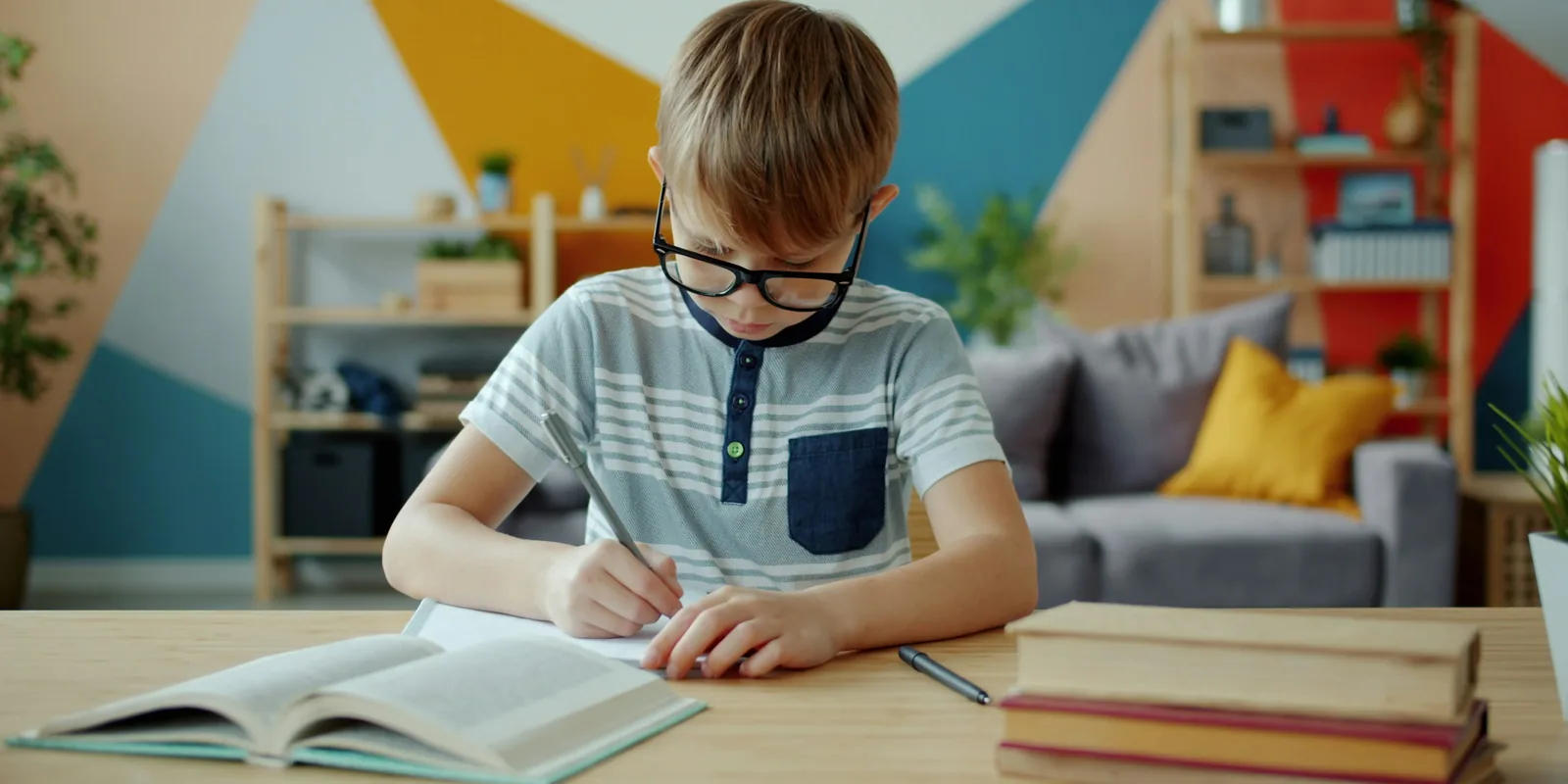
The New Year's resolutions children keep are small, specific and easy to check by the end of the week: "I'll hang my coat on my peg", not "I'll be good". Below are 20 new year resolutions for kids aged 3 to 8, each with the way you'll both know it's done, and how to help without nagging.
What is a New Year's resolution for kids?
A New Year's resolution for kids is one small thing a child decides to start, or do more of, from January, put into words you can both check: "I'll read with Dad four nights a week", not "I'll read more".
To a four-year-old, explain it as a promise to yourself about one thing you'd like to do more of. Then use one test before you write it down: could you both tell, by Friday, whether it happened? If not, make it smaller.
Which resolutions suit which age?
As a rough guide, from age 3 to 8 the resolution gets a little bigger and the child takes over more of the remembering. Start anywhere in the list below, and treat these as suggestions rather than rules:
- Age 3 to 4: one resolution, drawn as a picture on the fridge, sized to a single day. The grown-up does the remembering.
- Age 5 to 6: one or two, on a tick chart, checked once a week.
- Age 7 to 8: two or three, written by them, checked on Sundays and aimed at the February half term.
A year is a long way off when you're four. A day, a week or a half term is something a child can see the end of.
What are some good New Year's resolutions for kids?
Here are 20 New Year's resolutions for kids, with examples for every age from 3 to 8, in four groups of five. Each one is written the way a child might say it, followed by how you'll both know, and the youngest age it suits.
At home
These are the everyday examples, and the easiest to check because they happen in front of you.
1. "I'll put my shoes by the door when we get in." How you'll know: the shoes are there at bedtime. Pick one spot and keep it the same every day. From age 3.
2. "I'll help lay the table for tea." How you'll know: forks and spoons are out on five teatimes a week. Give them the same job each night so it becomes theirs. From age 3.
3. "I'll brush my teeth morning and night." How you'll know: two ticks a day. The NHS advises children aged 3 to 6 brush at least twice daily, while a grown-up supervises. From age 3.
4. "I'll try one new food a week." How you'll know: one bite counts, and earns one sticker. Let them choose the food from the shop or the fruit bowl. From age 3.
5. "I'll get dressed by myself on school days." How you'll know: dressed before the cereal comes out. Laying the clothes out the night before makes the morning part easier. From age 5.
Moving more
The NHS says pre-schoolers aged 3 to 4 should spend at least 180 minutes a day doing a variety of physical activities, and children aged 5 to 18 should average at least 60 minutes of moderate or vigorous activity a day across the week. One resolution is a small piece of that.
6. "I'll walk or scoot to school one day a week." How you'll know: a tick on the same day every week. Choose the day with the least rush in the morning. From age 4.
7. "I'll stand on one leg while you count to ten." How you'll know: ten without a wobble by half term. Practise on both legs, and let them count for you too. From age 4.
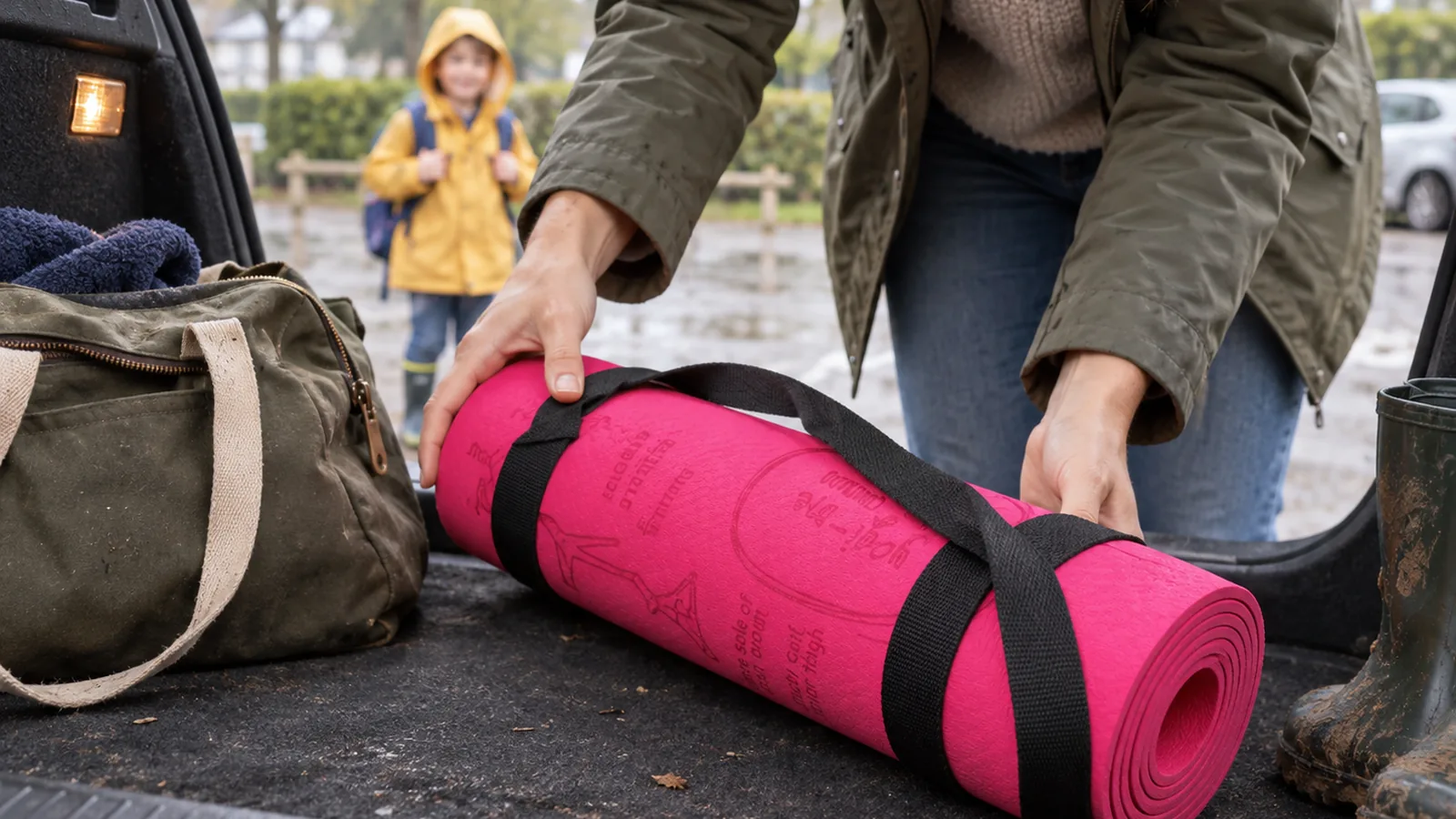
8. "I'll learn the poses on my mat, one new one a week." This is ours. On our Sun Salutation mat the fifteen poses are numbered, from mouse at 1 to dancer at 15, so the mat shows how far they've got. One a week from early January reaches dancer by mid-April. How you'll know: they can tell you which number they're on. From age 4.
9. "I'll learn to ride my bike without stabilisers." How you'll know: one go every weekend, aiming for the summer holidays. A quiet park path is easier than the pavement. From age 5.
10. "I'll do one song's worth of dancing after school." How you'll know: one song, every school day. They choose the song, which is most of the appeal. From age 3.
New Year's resolutions for kids in school
These suit reception to Year 3, and a teacher can use them with a class as easily as a parent at home.
11. "I'll hang my coat and bag on my peg." How you'll know: ask at pick-up, or ask the teacher once a week. It's the first job at the classroom door, so it's easy to remember. From age 4.
12. "I'll read with a grown-up four nights a week." How you'll know: the reading record. It doesn't have to be the school book every night; any book counts. From age 4.
13. "I'll ask someone new to play at playtime." How you'll know: a new name at tea, once a week. Practise the words at home first: "Do you want to play?" From age 4.
14. "I'll pack my book bag the night before." How you'll know: the bag is by the door before bed. Check it together for the first fortnight, then let them do it alone. From age 5.
15. "I'll practise one times table a week." How you'll know: they say it to you on Sunday. Car journeys and the walk to school are good for practice. From age 7.
Kind and calm
These are the hardest to check, so each one comes with something you can actually hear or see.
16. "I'll tell you one thing I did well today, at tea." How you'll know: one thing, said out loud. Go first, so they hear how it sounds. From age 3.
17. "I'll take three slow breaths before I shout." How you'll know: you notice it, and say exactly what you saw. It won't happen every time, and that's fine. From age 4.
18. "I'll help my brother or sister with one thing a day." How you'll know: the sibling tells you what it was. Small counts: finding a shoe, sharing a crayon. From age 5.
19. "I'll draw a picture for Grandma and Grandad, or call them, once a month." How you'll know: one a month on the calendar. If you're a grandparent reading this, the picture or call can be your side of it too. From age 3.
20. "I'll keep my own tick chart and check it every Sunday." How you'll know: the chart is theirs, not yours, and they remember Sunday. This is the one that hands the remembering over. From age 7.
How do you help a child keep a New Year's resolution?
Help a child keep a resolution by making it theirs, tying it to something that already happens, and checking once a week rather than every day. Remind them of the cue, never of the resolution itself. When it slips, start again on Monday without a fuss. For the "I can't do it" days, try some growth mindset activities for kids.
- Let them choose. Offer three from the list and let them pick one. A resolution the parent chose is the parent's resolution.
- Hang it on something that already happens. "When we get in, shoes by the door." Say "shoes", not "remember your resolution".
- One place to see progress. A tick on the fridge, a sticker, or the numbered poses on the mat.
- Check once a week. Sunday tea works.
- Praise the specific thing. YoungMinds suggests focusing on specific things you notice rather than general praise like "good".
- A missed day is a missed day. YoungMinds also suggests showing children they'll be okay when something doesn't go as planned, and noticing when they do something they find challenging. Changing the resolution in February is fine too.
Resolutions to make as a family
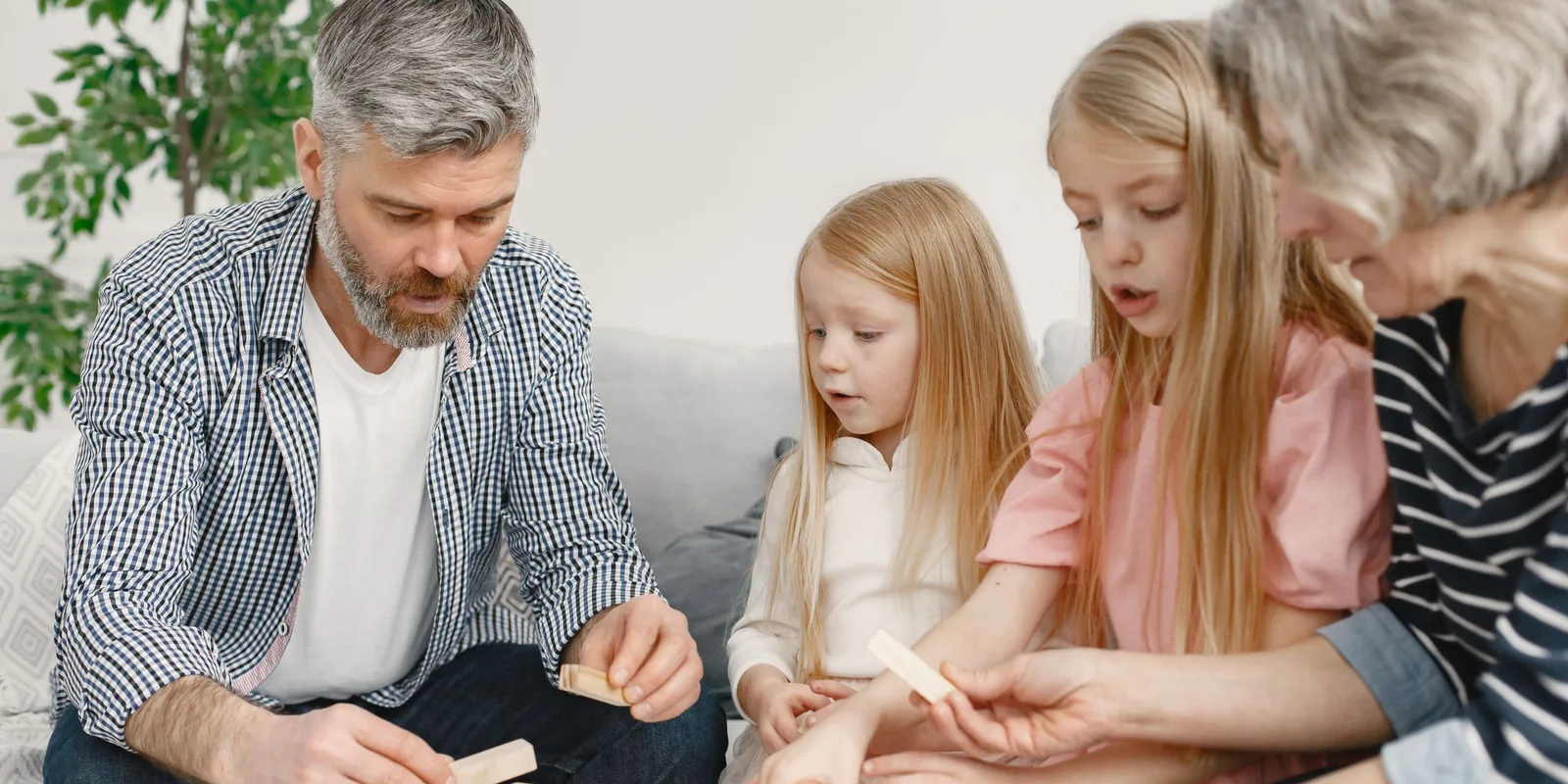
A family resolution takes the pressure off the child, because everyone is in it together and the grown-ups have to keep it too. Three that work well alongside your child's own:
- Screens off at teatime. Made by the grown-ups and kept by everyone, phones included. It's a relief more than a rule. For more ideas, see screen-free habits that stick.
- One Saturday-morning stretch together. Your child leads, a grown-up copies. A short morning yoga routine gives you somewhere to start, and how to start yoga with your child covers the basics.
- One new place a month. A park, a library, a walk you haven't done before. Your child picks next month's.
If you're still planning the night itself, our New Year's Eve activities for kids include a "my year" drawing that makes a gentle first resolution.
Item 8 needs no chart, because the chart is the mat: the 15 poses are numbered and laser-engraved into the surface, so the number your child has reached is the progress. A mat opened at Christmas starts at pose 1 in the first week of January. Each is £34.99 with free UK delivery, and two or more are 10 per cent off if siblings want the same resolution: see the Yogi-Me range.
What if your child doesn't want to make one?
Some children find resolutions daft, or embarrassing to say out loud, and that's fine. Make your own out loud and let them watch you keep it, or miss it and start again. Ask what they'd like to be able to do by the summer instead. Or skip it: "no resolution" is a perfectly good answer at four. If they'd rather just do something, there are screen-free activities for 3 to 8 year-olds to pick from.
Frequently asked questions
How do you explain a resolution to a child?
Keep it to one sentence: a resolution is a promise to yourself about one thing you'd like to do more of, starting now. Then give an example from your own life, such as walking to the shop instead of driving, and ask what theirs might be. The word promise does most of the work.
What are some good new year goals for kids?
Good new year goals for kids are small enough to check every week: hanging up a coat, trying one new food a week, reading with a grown-up four nights a week, or learning one new yoga pose a week. Pick one for a three-year-old and two or three for a seven-year-old.
How many resolutions should a child make?
One is plenty for a three- or four-year-old, and the grown-up does the remembering. Five- and six-year-olds can manage one or two, and seven- and eight-year-olds two or three. More than that and nobody, child or adult, remembers which ones they made by February.
Do you need a printable New Year's resolutions sheet?
No. New Year's resolutions for kids printable sheets are easy to find, but a piece of paper on the fridge does the same job: the resolution in your child's words, and a row of boxes to tick. Younger children can draw it instead of writing it.