community
Building Screen-Free Habits That Actually Stick

Screen-free habits stick when they are small, visible and tied to a moment you already have. A founder's guide to tiny daily rituals that last.
Screen-free habits stick when they are small, easy and tied to a moment that already happens every day: three yoga poses before stories, a stretch when the children get home, no screens at the table. Keep the alternative visible and ready, do it with your child, and protect the same two moments every day before you try to change anything else.
As a dad of three, I watched my own children drift towards the iPad, and told myself it was fine, because every other child was doing exactly the same. It was only when I dug into the research that I realised how much those early habits matter.
What I learned is that habits stick when they are easy and joyful, not when they are forced. A mat left rolled out in the corner of the room is a gentle invitation; a lecture about screen time is not.
What makes a screen-free habit stick?
Four things, and none of them is willpower.
- Tie it to a moment you already have. "After tea" or "before stories" happens every day without anyone deciding it. A new habit that hangs off an old one doesn't need remembering.
- Make it tiny. Three poses, not a session. Two minutes, not twenty. Small enough that nobody argues.
- Keep it visible. The alternative has to be easier to reach than the tablet. If the mat is rolled up in a cupboard, the screen wins.
- Make it joyful. Children repeat what feels good. A silly lion roar beats a sensible stretch every time.
Keep it visible, keep it short, and let your child lead. Three poses before stories. A quick stretch when they get home. Tiny rituals, repeated, become the habits they carry into adulthood.
Which screen-free habits are worth starting with?
Start with the two moments the guidance agrees on, meals and bedtime, then add one active habit. Here are six that work in most homes.
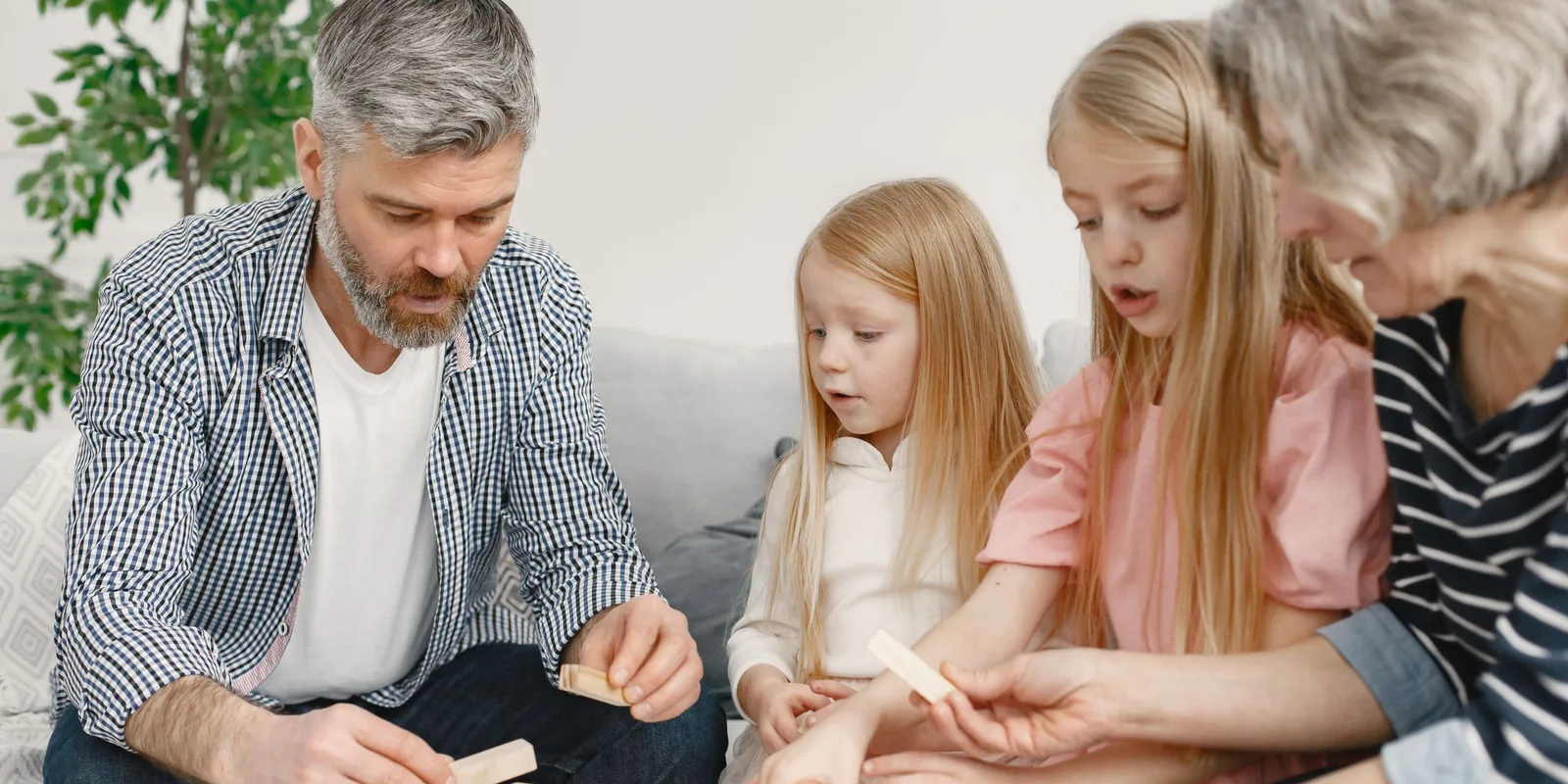
- Screen-free meals. The UK Chief Medical Officers' advice to parents says screen-free meal times are a good idea, so the family can talk face to face with adults giving children their full attention.
- A screen-free last half hour. The NHS advises no laptops, tablets or phones in the 30 to 60 minutes before bed, because the light from screens can interfere with sleep. The Sleep Charity suggests turning screens off an hour before bedtime.
- Devices sleep outside the bedroom. NHS advice for families is to keep devices out of bedrooms overnight to help children relax and sleep better.
- Three poses before stories. A cat, a turtle and a starfish take two minutes and signal that the day is ending. Our bedtime yoga for kids has a fuller routine.
- A home-time stretch. A quick stretch or a run round the garden when they get in from school, before anyone sits down. It counts towards the hour of activity a day the NHS recommends for 5 to 18-year-olds.
- A break after a long sit. The Chief Medical Officers suggest everyone takes a break and moves about after a couple of hours of sitting or lying with a screen.
Pick one or two, not all six. When those run themselves, add another. Starting in January? They make good New Year's resolutions for kids.
Why does a mat on the floor work better than a rule?
Because a rule asks your child to stop doing something, and a mat offers them something to do. Rules need policing. An invitation just needs to be there.
That is also why I'd start with the swap rather than the limit. When the screen goes off and there's nothing obvious to do next, the screen comes back. When the mat is already out, or the den kit is in the corner, the next thing is right there. Our list of screen-free activities for 3 to 8-year-olds has plenty to keep within reach.
Rules still have their place. Once a few habits are in, writing them down together helps them last, and our family screen time rules show how to do that without a battle.
What if the habit slips?
It will, and that's fine. A missed evening doesn't undo anything; going back to the same moment the next day is what keeps it alive. After a holiday, the same idea helps with getting back into a routine before school starts.
A few things help it recover faster:
- Do it with them. Children copy what they see. If you're on your phone at the table, the screen-free meal won't last.
- Keep the cue, shrink the habit. On a hard day, one pose instead of three still counts.
- Notice it out loud. "We've done our stretch every day this week" makes it something your child is proud of, not something they're made to do.
If you want a step-by-step plan for cutting back, our guide to reducing screen time for kids takes it a week at a time.
Frequently asked questions
How long does it take for a screen-free habit to stick?
There's no fixed number of days, and it varies from child to child. What matters more is doing it at the same moment every day, so the moment itself becomes the reminder. Keep it small enough to survive a busy week, and judge it by whether it happens without asking.
What are good screen-free habits for kids?
Screen-free meals, no screens in the last half hour or so before bed, devices kept out of bedrooms overnight, a short stretch or a few yoga poses at a fixed time, and a break to move about after a long sit. Start with meals and bedtime, because the guidance agrees on both.
How do I stop my child asking for the tablet all the time?
Make the alternative easier to reach than the tablet, and tie screen time to set moments so it isn't on offer all day. Warn before it goes off, and have the next thing ready. Asking usually drops once your child knows when screens happen and when they don't.
Should parents go screen-free too?
At the moments you've chosen, yes. Children copy what they see, and the Chief Medical Officers' advice on screen-free meals is about adults giving children their full attention as much as about the children's screens. You don't have to be perfect, just consistent at the table and at bedtime.
Why I made Yogi-Me
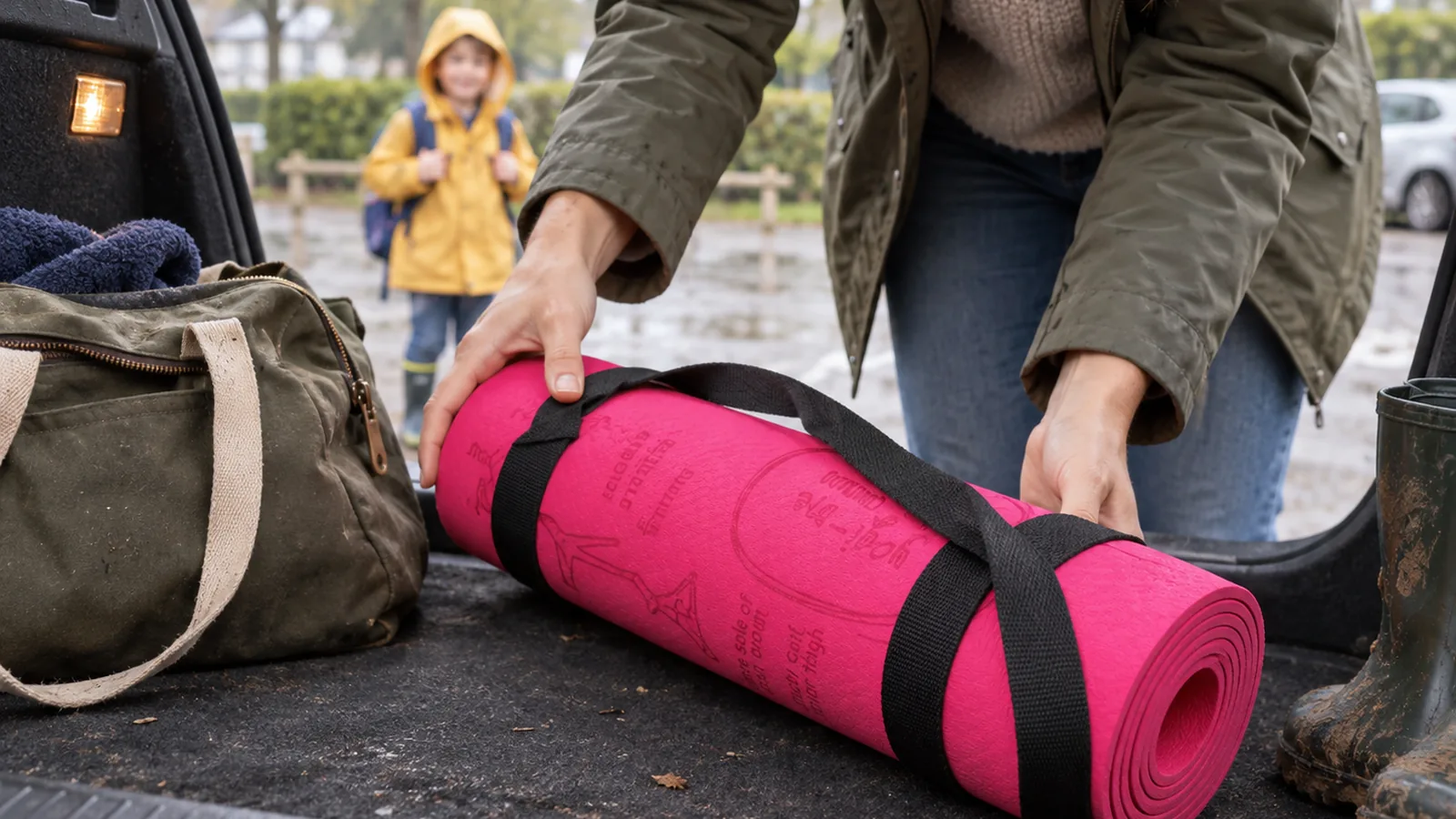
That is why I made Yogi-Me: a product that does the inviting for you, so screen-free time becomes the easy choice, not the hard one. Our kids' yoga mat has 15 numbered poses marked into it, so a child can roll it out and start without a screen or a grown-up reading instructions.