
practice
Turn Taking Games: 15 for Toddlers and Nursery
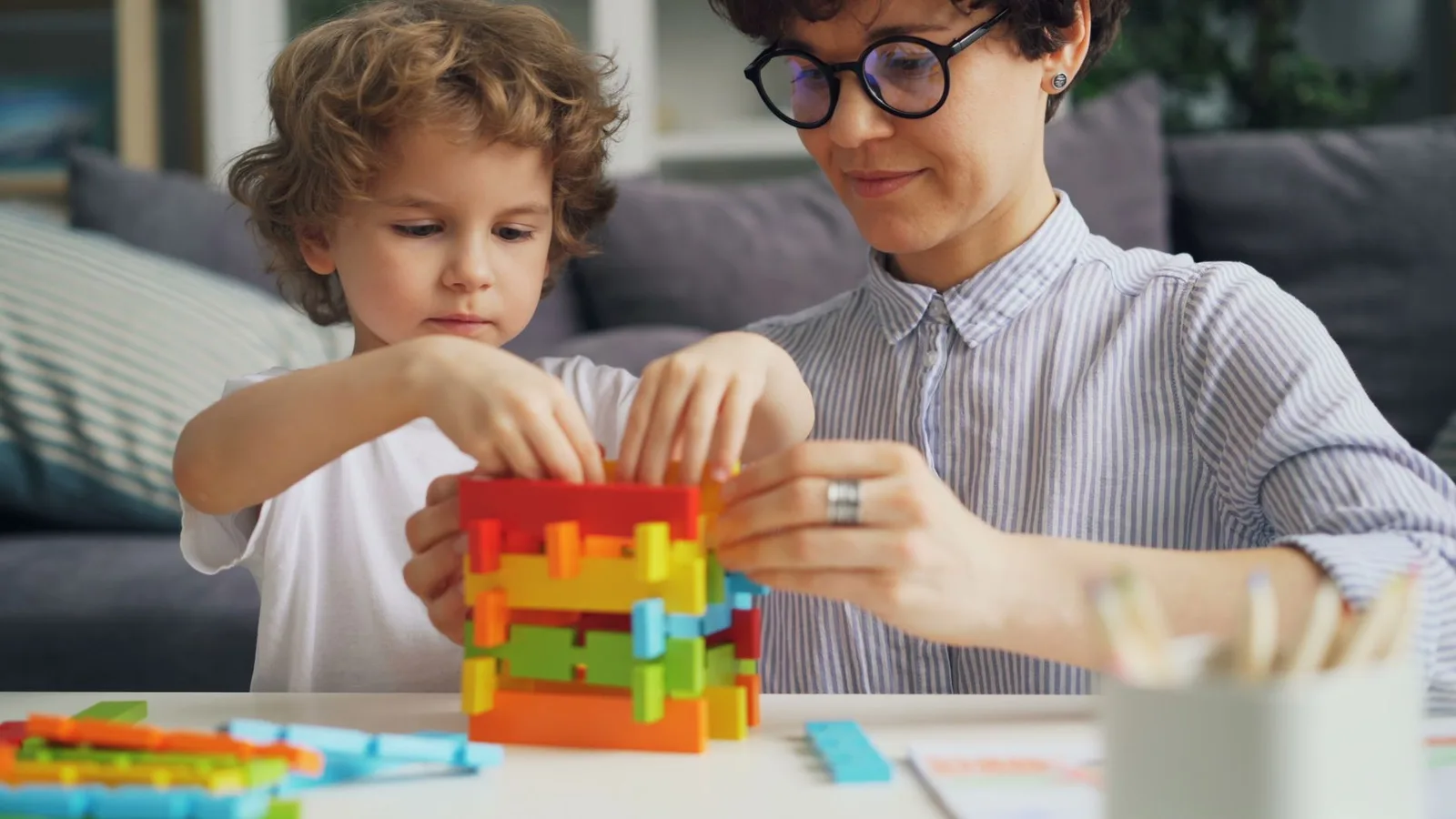
Try 15 turn taking games for toddlers and nursery, sorted by suggested waiting time, with simple instructions and clear ways to swap turns.
Which turn taking games should you try first?
Start turn taking games with a ball rolled between you, a copied clap or a brick added to a shared tower. Give each person one quick go, then swap. These 15 games run from a suggested 2-second pause to a 2-minute turn, so you can choose a starting point without asking your child to wait through a long queue.
The timings are suggestions for these games, not age milestones. Kent Community Health NHS Foundation Trust advises starting with brief turns between you and your child, lengthening them gradually and adding another player later.
The curriculum notes are our suggested connections to Development Matters, the Department for Education's non-statutory guidance for England's Early Years Foundation Stage (EYFS). For the wider picture, see our personal, social and emotional development activities.
For under-3s, check toy age labels and keep small parts away, including older siblings' pieces. The Child Accident Prevention Trust's toy advice also covers accessible button batteries and long cords. Choose large, intact pieces for the games below.
Which games have waits of about 2 to 5 seconds?
Start here when you want the next turn to come round almost straight away. Play as a pair and make the handover part of the action: the ball arrives, the brick lands or the clap finishes. You don't need to count the seconds aloud.
1. Funny-face echo
Suggested wait: 2 seconds. Pull a funny face, then give your child the next go. Say, 'I'll copy yours. Now copy mine.' Try puffed cheeks or a wide smile, letting your child choose the next expression. There's nothing to hand over, so the whole game is the exchange.
Development Matters: copying actions.
2. Clap swap
Suggested wait: 2 seconds. Clap once, pause and invite your child to answer with a clap. Say, 'My clap. Your clap.' Swap who starts after a few exchanges. Keep it to a single clap at first; a pattern can come later. This is a game you can play sitting beside each other.
Development Matters: copying actions.
3. Roll it back
Suggested wait: 3 seconds. Sit opposite each other with a large soft ball. Say, 'Roll it to me. Here it comes back.' Return it straight away rather than adding a countdown. Each arrival gives the next player their go, so you don't need a separate signal or a winner.
Development Matters: supported turn taking.
4. One-brick tower
Suggested wait: 3 to 5 seconds. Put large blocks between you and build one tower together. Say, 'You add a brick, then I add a brick.' Each person chooses their next block while the other builds. Agree who gets to knock it down before starting, then swap that job next time.
Development Matters: supported turn taking.
5. Post the picture
Suggested wait: 5 seconds. Use a toy posting box and large picture cards. Say, 'Post yours, then I'll post mine.' Keep the next card ready so choosing doesn't become the whole turn. You can pretend the pictures are letters to a teddy, and open the post together when you've finished.
Development Matters: supported turn taking.
What can you play with waits of 5 to 20 seconds?
These games add a small choice to each turn: a colour, a puzzle piece, a sound or a movement. Keep the choices in front of you and agree what finishes a go. If choosing takes over, offer a smaller selection or return to a quicker game.
6. Add a scribble
Suggested wait: 5 to 10 seconds. Share a sheet of paper, with a chunky crayon each. Say, 'Draw a squiggle, then I'll add mine.' Add dots, loops or stripes until you decide the picture is finished. Keeping separate crayons means you're swapping the drawing space rather than repeatedly handing over a tool.
Development Matters: creating together.
7. Puzzle partners
Suggested wait: 5 to 10 seconds. Choose a familiar inset puzzle with large pieces and lay them face up. Say, 'Choose a piece. I'll go next.' Help with finding the space if your child asks. Work towards finishing the same picture, and leave keeping score out of this one.
Development Matters: supported turn taking.
8. Animal sound exchange
Suggested wait: 10 seconds. Make an animal sound for your partner to guess, then swap. Say, 'I'll make the sound. You guess. Then it's your animal.' If guessing holds things up, show the animal with your hands too. Agree that revealing the answer ends the turn, whether the guess was right or not.
Development Matters: back-and-forth conversation.
9. Rhythm leader
Suggested wait: 10 to 15 seconds. Tap a short rhythm on your knees for your child to copy, then let them lead. Say, 'Listen to mine, copy it, then make yours.' Try clap, clap, tap. The leader's turn ends after the echo, and the follower gets to invent the next pattern.
Development Matters: movement patterns.
10. Pose leader
Suggested wait: 15 to 20 seconds. Take turns choosing a familiar pose, such as mountain or butterfly. Say, 'Show me your shape. I'll copy, then we swap.' Both people move, but only one chooses. Finish after showing and copying rather than asking anyone to hold a pose until a timer rings.
Development Matters: following and leading movement.
Which games offer turns of 20 seconds to 2 minutes?
Choose these when both players want a longer go. Here, waiting means waiting to lead, build or tell, rather than sitting silently. The other player can guess, ask a question or follow instructions. Keep the end point clear and shorten any turn that starts to drag.
11. Picture-story swap
Suggested wait: 20 to 30 seconds. Open a familiar picture book and take turns adding a sentence about the picture. Say, 'Tell me something about this page, then I'll add something.' Pointing can be a turn too. Keep the book open at the same spread so neither player has to rush to finish before a page turns.
Development Matters: back-and-forth conversation.
12. Mystery mime
Suggested wait: 30 seconds. Take turns acting out an everyday job, such as brushing hair or stirring a pot. Say, 'You watch and guess. Then you're the actor.' Agree to reveal the answer after a short try. The guessing player stays involved while waiting to choose the next action.
Development Matters: following and leading movement.
13. Build to my plan
Suggested wait: 30 to 45 seconds. Give one person the job of describing a small building and the other the job of making it with large blocks. Say, 'Tell me what to build. Then I'll describe yours.' Swap when the little building is finished. Both roles matter, so the person waiting to build still has something to do.
Development Matters: creating together.
14. Pretend shop
Suggested wait: 45 to 60 seconds. Set out three large toys as the stock. One person requests an item and the other fetches it, then they swap jobs. Say, 'You choose, I'll serve. Then you're the shopkeeper.' Skip coins and pretend money. The NHS suggests swapping shopkeeper roles as a pretend-play activity.
Development Matters: organising play through talk.
15. Mini museum
Suggested wait: 1 to 2 minutes. Each person chooses a favourite toy to present. Say, 'Show me what it does. Then I'll show you mine.' The visitor can ask questions while waiting to be the guide. End earlier if the tour is finished; there's no need to fill the time. This is an optional longer turn.
Development Matters: back-and-forth conversation.
What if your child won't join in or hand over?
Drop the turn-taking rule for a moment and join what your child is already doing. If they don't want to pass a toy, try a face or clap game with nothing to surrender. Oxford Health's early turn-taking guidance suggests games without toys when sharing play with toys is difficult.
Use a concrete handover: 'One more brick, then mine.' If your child wants to watch, leave a place for them without repeatedly asking them to perform. You can also finish and try another day.
If you're worried about your child's development, speak to your GP or health visitor.
How can you make a short session from these games?
Choose a quick opener, a shared activity and a finish everyone recognises. Keep the same players for the first session and let the child choose whether to repeat a favourite. There's no need to work through every waiting time or turn the list into a course.
- Just you and a toddler: clap swap, roll it back, then one-brick tower. Keep your own turns brief. End by putting the blocks away together.
- Siblings who want different jobs: animal sound exchange, pose leader, then pretend shop. Agree who chooses first in each game before you begin.
- A nursery pair: post the picture, puzzle partners, then picture-story swap. For a group session, our circle time games offer other formats.
For everyday queues and delayed treats, try our patience activities.
If pose leader becomes a favourite for your child aged 3 to 8, Yogi-Me's mats have 15 numbered poses laser-engraved into the surface. You can take turns choosing which to copy. Explore the mats for your next pose game.
Frequently asked questions
Which turn taking games work without toys?
Try funny-face echoes, clap swaps, animal sounds or mystery mime. Each player makes a face, sound or action, then hands the lead to the other person. Nothing has to change hands, and you can play sitting down. Let your child choose which sound or action starts the next round.
How long should a toddler wait for a turn?
Start with a quick clap or roll of a ball, then swap. NHS advice recommends brief turns first, lengthened gradually. The seconds in this list are suggested game settings, not age milestones. Use the end of the action as your handover cue.
Are taking turns and sharing the same thing?
Taking turns means swapping who has a go, such as each adding a brick. Sharing can also mean using something together, such as drawing on the same sheet. For these games, agree what finishes a turn before you start: one piece placed, one sound made or one short action copied.
How can you play turn taking games in nursery?
Start in pairs with an adult nearby, using a shared tower, posting box or simple puzzle. Tell children what happens at the handover: 'One piece, then swap.' Offer a choice of games, and keep a second set of materials available if someone wants to play alongside before joining in.
Sources
- Department for Education: Development Matters
- Kent Community Health NHS Foundation Trust: Turn taking
- Oxford Health NHS Foundation Trust: Play and early conversation
- Child Accident Prevention Trust: Toy safety
- NHS: Learning conversations and telling stories, 3 to 5 years
- NHS: Your baby's health and development reviews