practice
Outdoor Yoga for Kids: A 10-Minute Garden Routine
Outdoor yoga for kids in ten minutes: a seven-step garden routine, plus the sun, grass, sting and tick checks the NHS advice points to.
Outdoor yoga for kids works best as a short routine on a flat, shady patch of lawn: a barefoot walk to check the ground, then cat, downward dog, tree, eagle and dancer, finishing curled up in mouse. Ten minutes is plenty. Before you start, check the grass, the sun and the sunscreen on bare feet, because the outdoors adds things a living room doesn't.
It's for the first properly warm afternoon, when the paddling pool has been emptied twice and nobody is ready to come in.
What changes when yoga moves outside?
Garden yoga is the same poses you'd do indoors, done on grass or a mat in the open air. Four things change. The ground is never quite flat. The sun is on you. There are insects. And there may be an audience, from a neighbour over the fence to a cat that wants to sit exactly where your child is lying.
None of that is a reason to stay in. The NHS activity guidelines for under-5s count outdoor play as part of a young child's day. It just needs two minutes of checking first.
What time of day suits garden yoga?
Late afternoon or early morning. According to the NHS sun safety advice, UK sunshine is at its strongest from 11am to 3pm, March to October, and children should be in the shade then, covered up and wearing at least SPF30. It also suggests a weather app's UV index: at 3 or higher, consider protecting your skin.
Yoga adds a catch. Children do it barefoot, and the NHS lists feet among the places that need sunscreen, along with the face, ears and backs of hands. Tops of feet are easy to forget when they usually live in shoes.
On a really hot day, skip it or stay in the shade. The NHS heatwave advice counts young children up to age 5, babies included, among the people more vulnerable to heat, and suggests avoiding activity that makes you hotter.
What should you check on the lawn first?
Pick the flattest patch of short, dry grass and walk it before anyone lies down. Look for stones, sticks, holly leaves, snails and anything a dog or fox has left. Damp grass is slippery under a hand, so wait for the dew to go or put a mat down.
- Stings. The NHS advice on insect bites and stings is to scrape a bee or wasp sting out sideways with a fingernail or a bank card, not tweezers, then wash the skin. See a pharmacist if it's hot, red, swollen or painful, and call 999 if their lips, mouth, throat or tongue suddenly swell, or they're struggling to breathe.
- Ticks. The NHS page on Lyme disease says ticks live in woods and long grass, and sometimes in urban parks and gardens. Stick to mown lawn and check skin afterwards. The same bites and stings page says a child with a tick bite who then develops flu-like symptoms or a round or oval rash should see a GP.
How do you do a 10-minute garden yoga routine?
Seven steps, about ten minutes, on a mat or straight on the grass. Talk them through it slowly and join in.
1. Walk the patch barefoot (1 minute)
"Walk slowly round our yoga space and tell me what your feet can feel. Cold? Tickly? Anything sharp?" If they stop to pick a daisy, they've still checked the ground.
2. Cat, pose 3 (1 minute 30 seconds)
"Hands and knees. Make your back into a hill like a grumpy cat, then let it go flat again." Let them hiss. Breathe in as the back drops, out as it rounds.
3. Downward dog (1 minute 30 seconds)
"Toes tucked under. Now push your bottom up high and make a tent with the grass underneath." Heels don't need to reach the ground, and the upside-down garden usually sets off giggling.
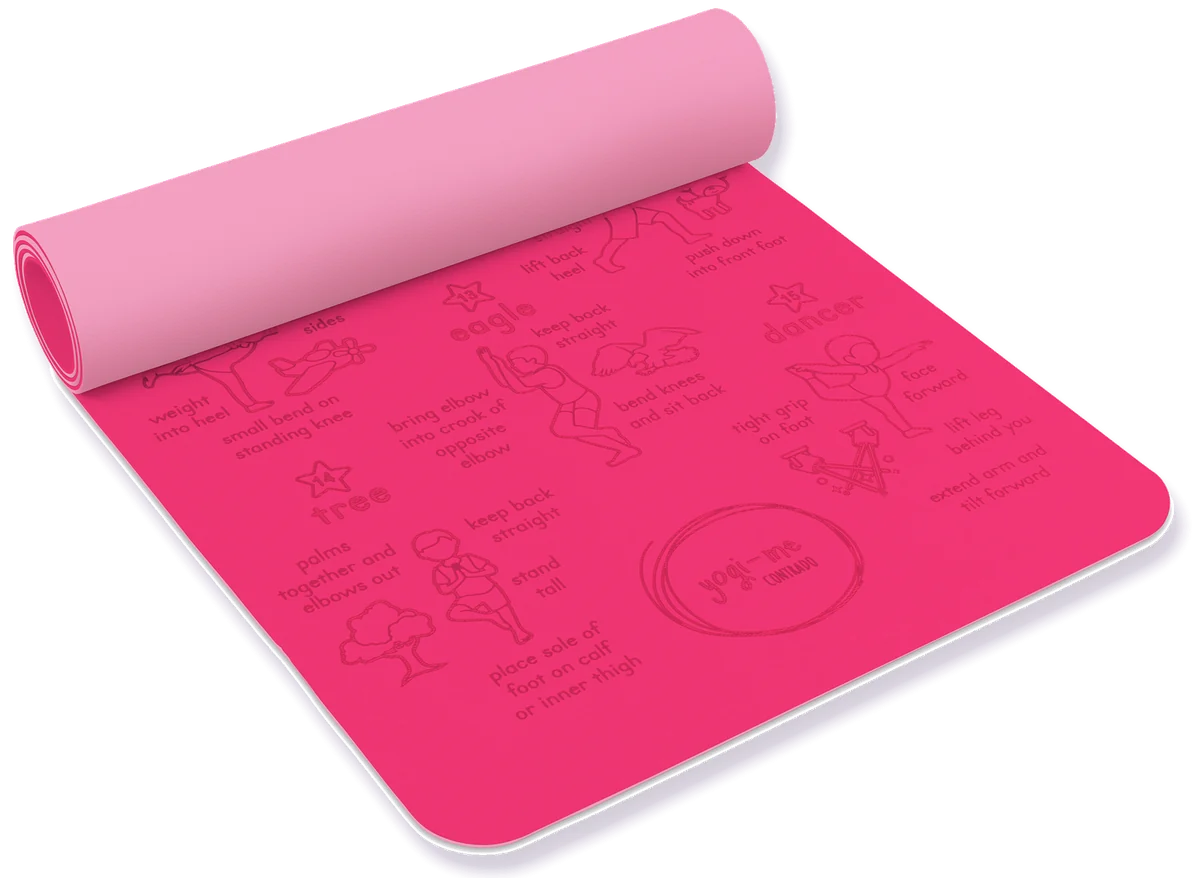
4. Tree, pose 14 (1 minute 30 seconds)
"Lift one foot and press its sole into the inside of your other calf. Stare at the shed and don't let it move." Grass wobbles more than a floor, so expect a few tumbles and swap legs halfway.
5. Eagle, pose 13 (1 minute 30 seconds)
"Cross one arm over the other, hook your elbow in the crook of the other elbow, and bend your knees like you're perched on a branch." Most children get the arms and forget the legs, which still counts as an eagle.
6. Dancer, pose 15 (1 minute 30 seconds)
"Hold your foot behind you with a tight grip, reach your other arm forward and tilt." It's the hardest balance of the lot on uneven ground, so a hand on your shoulder is allowed.
7. Mouse, pose 1 (1 minute 30 seconds)
"Kneel with your knees apart and big toes together, bottom down to your heels, arms stretched long. Be a mouse in the grass, very still. What can you hear?" Birds, a lawnmower two gardens away, a plane.
If your child likes finding poses by number, the Sun Salutation mat has these six, and nine more, laser-engraved in order.
How long does the garden routine take?
Ten minutes: one for the walk and a minute and a half for each of the six poses. On a short evening, walk the patch and do tree and mouse, which takes four. Once they know the shapes, our sun salutation for kids makes a longer version.
What if the neighbours are watching?
Then wave. A child who'll do tree in the lounge can go shy over the fence, and a show sometimes helps: "Shall we do eagle for next door?" If not, move behind the shed. Other outdoor-only hiccups:
- A wasp arrives. Stop, stand up slowly, move a few steps away and carry on somewhere else.
- The cat lies on the mat. Do mouse next to it. Cats are hard to argue with.
- They'd rather run. Give them five minutes of tearing about first. The NHS activity advice for school-age children wants them breathing faster for an average of at least an hour a day, and the yoga often goes better afterwards.
How do you keep garden yoga going through the summer?
Keep the mat by the back door, so it goes out with the paddling pool and the football. After a session on grass, wipe it with a damp cloth and mild soap and let it air-dry flat before rolling it up.
At 183 x 61 cm, our mats take an adult as well, handy when your four-year-old insists you do tree with them. They're made for ages 3 to 8, and the Sun Salutation mat comes in seven colours if you'd like one that lives by the garden door. For long summer days, see our summer holiday activities at home, and for a first try at yoga, read how to start yoga with children.
Frequently asked questions
Can you do yoga on grass without a mat?
Yes, on short, dry grass. It's softer on knees than a patio and fine for standing balances, though the ground is rarely perfectly flat, so tree and dancer wobble more. A mat helps on damp grass and marks out a space. Long grass is the one to avoid: the NHS notes ticks live in long grass and sometimes in gardens.
Should children wear sunscreen for yoga outside?
From March to October, yes, on any skin their clothes don't cover. The NHS advice for children is clothing, shade from 11am to 3pm and at least SPF30 sunscreen, and it names feet among the places to apply it. Barefoot yoga leaves the tops of the feet in full sun, so they're easy to miss.
What should kids wear for garden yoga?
Loose clothes they can stretch in, with long sleeves and trousers if the sun is strong, since the NHS lists those among clothing that protects. A hat falls off in downward dog, so it's often easier to move the mat into shade than to keep one on. Bare feet grip best on a mat or grass.
Does garden yoga count towards a child's daily activity?
It counts as moving rather than sitting. NHS guidance gives children aged 1 to 4 at least three hours a day of activity, outdoor play included, and wants children of 5 to 18 breathing faster for an average of at least an hour a day across the week. Most gentle yoga is lighter than that, so pair it with running about.