guides
40 Tuff Tray Ideas by Season, With a Weekly Rota
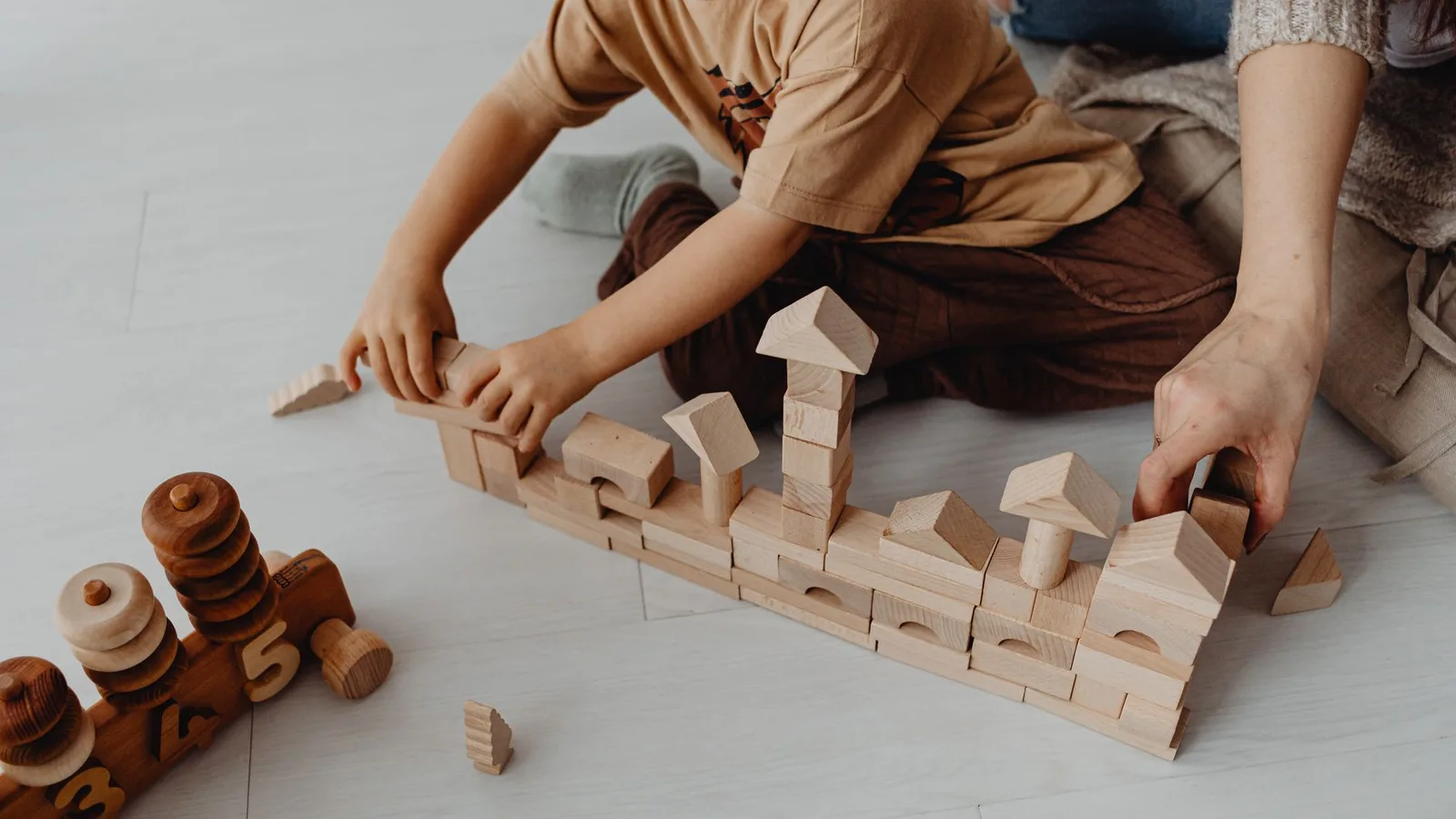
40 tuff tray ideas for home and nursery, grouped by season and learning area, with simple materials, play prompts and a reusable weekly rota.
What can you put in a tuff tray today?
Simple tuff tray ideas include sorting paper leaves, washing toy animals, building block bridges and making pretend shops. Start with familiar materials and a clear invitation: "Can you make a path?" These 40 set-ups are grouped by season, with learning tags, suggested play slots and a rota that reuses the kit.
This list is planned for ages 3 to 8. Start anywhere. For an extra challenge, ask your child to add labels or explain their design.
For a smaller version, use a washing-up bowl or rimmed tray. Keep paper, large blocks, brushes and unbreakable bowls together. The minutes below are planning suggestions: stop sooner or carry on if your child wants.
What needs checking before you set up?
Choose toys and tools for your child's age. Keep small parts away from under-threes and check toys for pieces your child could swallow. Keep button batteries and loose cords out of all children's reach, and make sure toy battery compartments are secured with a screw, following NHS play and toy safety advice.
For wet trays, stay within reaching distance throughout and empty containers afterwards. Leave water beads out: government guidance says to keep them away from children under 5. None of these set-ups needs food fillers.
How do the learning tags help you choose?
The tags follow the Early Years Foundation Stage (EYFS), which applies in England. Our guide to its seven learning areas explains the framework. Each tag names the invitation, not a result your child must achieve.
- Talk: communication and language.
- Hands: physical development.
- Together: personal, social and emotional development.
- Words: literacy.
- Maths: mathematics.
- World: understanding the world.
- Art: expressive arts and design.
Which autumn trays use the kit you already have?
1. Paper leaf sort
Maths, 10 minutes. Add 6 large paper leaves in different colours and 2 bowls. Say, "Choose how to sort them." Swap colour sorting for size.
2. Autumn colour studio
Art, 15 minutes. Line the tray with paper and add red and yellow crayons. Say, "Make an autumn picture." Leave the subject up to your child.
3. Puddle brush trails
Hands, 10 minutes. Add a little water and wide brushes. Say, "Join your puddles with a winding trail." Try dots, curves and long sweeping strokes.
4. Harvest stall
Talk, 15 minutes. Arrange cardboard vegetable pictures in bowls. Say, "I'm shopping for soup. What could I choose?" Take turns being the customer and shopkeeper.
5. Woodland shelter
World, 15 minutes. Add large toy animals, blocks and brown fabric. Say, "Build somewhere for this animal to shelter." Ask them to show you the entrance.
6. Woodland sign writers
Words, 10 minutes. Make a paper woodland path, then add blank cards and crayons. Say, "What sign does our path need?" Write down their dictated words.
7. Shared forest
Together, 15 minutes. Give each player blocks and a large toy animal. Say, "Can we join our homes with a path?" Agree where the path will go.
8. Tree picture detectives
World, 10 minutes. Put out pictures of different trees and large paper circles. Say, "Mark something you've noticed." Compare branches, colours or shapes in the pictures.
9. Paper apple orchard
Maths, 10 minutes. Add 3 paper trees and 6 large apple cut-outs. Say, "Give every tree the same number." Move the apples around to try again.
10. Windy woodland story
Talk, 15 minutes. Add blue fabric, a cardboard tree and a toy animal. Say, "The wind has moved our tree. What happens next?" Follow their plot.
Our autumn activities led by movement offer ideas away from the tray.
What can you set up indoors for winter?
11. Paper snowplough
Hands, 10 minutes. Add torn white paper and a large toy truck. Say, "Clear a road through the snow." Push the paper into piles beside the road.
12. Mitten matching
Maths, 10 minutes. Spread out 3 pairs of gloves or mittens. Say, "Can you find the partners?" Let your child rearrange them for your matching turn.
13. Winter post office
Words, 15 minutes. Add envelopes, blank cards and a box with a posting slot. Say, "Who needs a letter?" Draw, dictate or write a message to post.
14. Winter village
Art, 15 minutes. Arrange blocks, white fabric and folded card roofs. Say, "Where shall we put the houses?" Rearrange the village and add a paper road.
15. Warm-clothes packing
Together, 10 minutes. Place hats, gloves and a doll in the tray. Say, "Let's decide what to pack." Share the choosing, then fold everything into a box.
16. Winter story cards
Talk, 10 minutes. Draw a snowy house, a boot and a bird on separate cards. Say, "Which starts our story?" Rearrange the cards for another telling.
17. Paper snowflakes
Art, 15 minutes. Provide large paper snowflakes you've cut and dark paper. Say, "Arrange a snowy picture." Move the shapes around before drawing the background.
18. Animal track studio
World, 15 minutes. Add washable toy animals, paper and children's paint. Before use, check the paint's ingredients against your child's known allergies. Say, "What marks will these feet make?" Compare their tracks across the paper, side by side.
19. Numbered winter parking
Maths, 10 minutes. Draw 5 parking spaces on paper and number them. Add large toy vehicles. Say, "Park in space 3." Swap roles and give new instructions.
20. Water-brush messages
Words, 10 minutes. Put dark paper in the tray with water and brushes. Say, "Leave me a message." Accept marks, pictures or letters, then take your turn.
Which spring trays invite a closer look?
21. Card flower garden
Art, 15 minutes. Add large paper petals, circles and green strips. Say, "Build a garden across the tray." Arrange the pieces without glue, then redesign it.
22. Rain station
World, 10 minutes. Place a colander over an unbreakable bowl and add a small jug of water. Say, "Make rain." Watch where the water goes together.
23. Lamb pen builders
Together, 15 minutes. Add large toy sheep and blocks. Say, "Let's build a pen together." Decide who builds which side, leaving a gap for the entrance.
24. Garden centre labels
Words, 10 minutes. Add empty plant pots, paper flowers and blank cards. Say, "What shall we call these flowers?" Make labels using drawings, marks or dictated names.
25. Petal counting
Maths, 10 minutes. Set out 3 paper flower centres and large paper petals. Say, "Give each flower 4 petals." Change the requested number for another round.
26. Pond story
Talk, 15 minutes. Spread blue fabric beside green paper and add large toy frogs. Say, "Someone new has arrived at the pond." Let your child introduce them.
27. Sponge squeeze
Hands, 10 minutes. Put a whole sponge between 2 unbreakable bowls, with water in one. Say, "Move the water using your sponge." Try squeezing with both hands.
28. Spring colour hunt
World, 10 minutes. Add a flower picture and fabric pieces in different colours. Say, "Find a colour from the picture." Put each choice beside the matching part.
29. Bee delivery routes
Hands, 10 minutes. Add large paper flowers, a cardboard bee and a spoon. Say, "Carry the bee to each flower." Change the route and try another journey.
30. Rain sound pattern
Maths, 10 minutes. Place 2 overturned plastic bowls and wooden spoons in the tray. Say, "Copy my tap, tap, pause." Let your child invent the next pattern.
What works for summer tray play?
31. Toy wash
Hands, 10 minutes. Add washable toy animals, a little water and a cloth. Say, "Who's coming to the wash station?" Wash, rinse and line them up.
32. Boat test
World, 15 minutes. Put water and empty unbreakable containers in the tray. Say, "Which shall we try as a boat?" Compare what happens when you add water.
33. Beach postcard
Words, 10 minutes. Add blank postcards, crayons and a seaside picture. Say, "Send someone a beach message." Draw the scene and help write their chosen words.
34. Pretend scoop shop
Maths, 15 minutes. Add large crumpled paper scoops, bowls and a serving spoon. Say, "I'd like 2 scoops." Take turns ordering and checking what's in the bowl.
35. Shared campsite
Together, 15 minutes. Add blocks, fabric squares and large toy people. Say, "Make room for everyone's tent." Decide together where the paths and meeting place will go.
36. Shadow outlines
World, 10 minutes. Outside, put a large toy on paper in the tray. Say, "Can you trace its shadow?" Turn the toy and look at the outline.
37. Holiday suitcase
Talk, 10 minutes. Add a box, a sunhat, socks and a toy. Say, "Where are we going, and what shall we pack?" Explain your choices to each other.
38. Beach patterns
Art, 10 minutes. Add wide blue fabric strips and large yellow paper shapes. Say, "Make a seaside pattern." Arrange waves, circles or stripes across the tray.
39. Bridge crossing
Maths, 15 minutes. Lay blue fabric between blocks and add card for a bridge. Say, "Make it wide enough for this toy." Compare different widths of card.
40. Summer story theatre
Talk, 15 minutes. Add a folded card backdrop and large toy figures. Say, "Someone's picnic has disappeared." Invent the search together, moving the figures around the tray.
How can you rotate trays without starting from scratch?
Pick a weekly theme, then change the invitation while keeping the main kit. These are example combinations, not a timetable to finish. Repeat a favourite whenever you like.
- Large paper leaves and bowls, First invitation: Sort by colour; Next invitation: Sort by size; Finish with: Share the leaves equally between the bowls
- Blocks and fabric, First invitation: Woodland shelter; Next invitation: Shared forest; Finish with: Winter village
- Bowls, sponges and cloths, First invitation: Sponge squeeze; Next invitation: Toy wash; Finish with: Boat test
On Monday, offer the simplest version. Midweek, add a prop or a new question. At the end of the week, ask what they'd like to keep. Note the materials and favourite prompt for next time.
For a movement activity after clearing the tray, explore Yogi-Me's mats, with 15 numbered poses laser-engraved into the surface.
What if they'd rather leave the tray alone?
Offer a choice between 2 ideas, or put out the materials and let your child decide what happens. They don't have to follow the prompt. If the post office becomes a garage, go with it.
If touching materials feels unpleasant, offer a dry paper or block activity. NHS messy-play advice says not to force contact and to let children stop. Put the tray away if they've had enough.
If you're worried about your child's health or development, speak to your GP or health visitor.
Frequently asked questions
What can you draw on a tuff tray with?
Try ordinary chalk if your tray's care instructions allow it, testing a small patch first. Otherwise, line the tray with paper and use crayons. Don't assume chalk pens or washable paint will come off every surface. A paper lining also lets you keep the finished picture.
Do you need a stand for a tuff tray?
No, provided your tray's instructions allow it to be used on the floor. Choose a position your child can reach comfortably. If you want a raised tray, choose the stand specified for that model. Think about where you'll store both pieces before buying.
How do you keep a tuff tray tidy indoors?
Start with a dry activity and put out only the materials it needs. Keep a cloth and an empty sorting box beside you, then return the reusable pieces before cleaning the tray. Try paper landscapes, block buildings or sock matching when you don't want wet materials.
Are water beads safe in a tuff tray?
Leave them out. Government guidance says to keep water beads away from children under 5. It also recommends avoiding them in homes or classrooms with under-fives, even when intended for older children. Choose a paper landscape or a block-building tray instead.
Sources
- Department for Education: Early years foundation stage
- NHS: Baby and toddler play ideas
- GOV.UK: Product Safety Alert, Water Beads
- London Fire Brigade: Water safety advice for parents
- Children and Family Health Devon: Messy play, hints and tips
- Enfield Council: Worries about your child's health or development
- North Yorkshire County Council: Fun with builders' trays