guides
The Terrible Twos: What's Normal and When It Ends
The terrible twos explained from NHS guidance: what's normal at two, why it happens, when it eases, what helps and when to talk to your health visitor.
The terrible twos are normal. NHS Best Start in Life says that from around 18 months a toddler may have more tantrums and show more frustration, and that this stage, sometimes called the terrible twos, is "part of their normal, healthy development". It usually eases as your child learns to talk. If you're worried, your health visitor is there for exactly this.
"The terrible twos" is an everyday name, not a medical one, for the stretch when a toddler's wants grow faster than their words. It often starts before the second birthday and can run past the third. This page covers what the NHS says is normal, why it happens, what helps, and when to ask for a second opinion. For children aged 3 and over, our guide on how to deal with tantrums at 3 to 5 picks up where this one stops.
What does the NHS say is normal at two?
Tantrums, frustration, some hitting and biting, and a lot of "no" are all normal at two. The NHS says temper tantrums "usually start at around 18 months and are very common in toddlers", and that "hitting and biting are common, too".
On hitting and biting, the same page says that "most young children occasionally bite, hit or push another child", that toddlers may not understand that it hurts, and that this "does not mean your child will grow up to be aggressive". It still needs a clear response, which the NHS covers: don't hit or bite back, and make it plain that it hurts and you won't allow it.
The Department for Education's Development Matters guidance, written for nurseries, describes the same child from another angle. Toddlers, it says, "grow in independence, rejecting help ('me do it')", and "sometimes this leads to feelings of frustration and tantrums". It also notes that toddlers "may have periods of time when their favourite word is 'no'".
So if your two-year-old insists on doing their own shoes, can't, and then lies on the hall floor about it, that's development happening in front of you.
Why is two such a hard age?
Because a two-year-old wants to do and say far more than they can. The NHS puts it simply: toddlers "want to express themselves, but find it difficult. They feel frustrated, and the frustration comes out as a tantrum."
Development Matters makes the same point about talking. Toddlers are learning to "make themselves understood and can become frustrated when they cannot". They also tend to focus on an activity they've chosen and "find it difficult to be directed by an adult", which explains a great deal about leaving the park.
NHS Best Start in Life adds the part that helps most in the moment. When toddlers are upset, "the emotional parts of their brain take over", so they "find it hard to take in new information". A long explanation mid-tantrum isn't being ignored out of defiance. It simply isn't going in.
What the terrible twos look like on an ordinary day
Here's an illustrative morning, the kind many parents of a two-year-old will recognise.
Breakfast goes wrong because the toast is cut into squares, not triangles. Getting dressed takes twenty minutes because they want to do it themselves, and do. The nursery run goes fine until you turn left instead of right. At teatime they hit a sibling over a toy, then sob when the sibling cries.
None of that is unusual. What you'll also notice, if you look for it, is the good stuff underneath: they're trying new things, they have opinions, and they're getting more words every week. Each of those, in time, takes some of the pressure off.
Two things tend to make a hard day harder at this age. The NHS lists tiredness and hunger as common triggers, and both are easy to miss in a toddler who seems fine until suddenly they aren't. And change is hard at this age: Development Matters calls the transitions of the early years "big steps for small children", so a new baby, a new nursery or a house move can bring a wobbly patch.
Why words, not birthdays, end the terrible twos
The terrible twos fade as talking grows, so watch the words rather than the calendar. The NHS says that "once a child can talk more, they're less likely to have tantrums", and that "by the age of 4, tantrums are far less common".
That's why there's no neat answer to "how long do the terrible twos last?". A child who talks early may have a short stretch. A child whose words come later may have a longer one. If you're unsure whether their talking is on track, the two-year review is the place to ask. The age matters less than the direction: are they finding more ways to tell you what they want?
It also means the most useful thing you can do is help the words along. NHS Best Start in Life suggests naming your toddler's feelings for them, such as "I can see you're feeling happy that we're playing peekaboo", so they learn words for what they feel. Development Matters suggests helping toddlers say what's angering them "by suggesting words to describe their emotions, like 'sad' or 'angry'", and explaining in simple terms why you think they feel that way. Chatting, singing and sharing books all add words too.
What helps a two-year-old through it?
There's no trick that stops tantrums, but some things make them shorter and less frequent. These come from NHS and Department for Education guidance.
- Head off the easy ones. Look for a reason first. If they're tired or hungry, the NHS says, "the solution could be simple". A snack in your bag and a well-timed nap head off a lot.
- Distract early. If you can see one building, the NHS suggests finding something to distract them with straight away, even something out of the window.
- Stay calm and keep your no. Shouting back won't end a tantrum, the NHS says, and giving in teaches a child that tantrums work. Bribing with sweets doesn't help either.
- Soothe, then connect, then talk. NHS Best Start in Life's name for it is "regulate, relate and reason": calm them and say what they're feeling, offer a cuddle so they know you're with them, and explain only once they're calm. Our tantrums guide for 3 to 5 year olds walks through it step by step.
- Give the energy somewhere to go. For a child who is hitting or pushing, the NHS suggests taking them somewhere big, like a park, where they can run and shout.
- Keep the day predictable. Development Matters advises keeping "sensible routines and boundaries" during these testing times, and notes that negative or harsh responses can leave children feeling anxious.
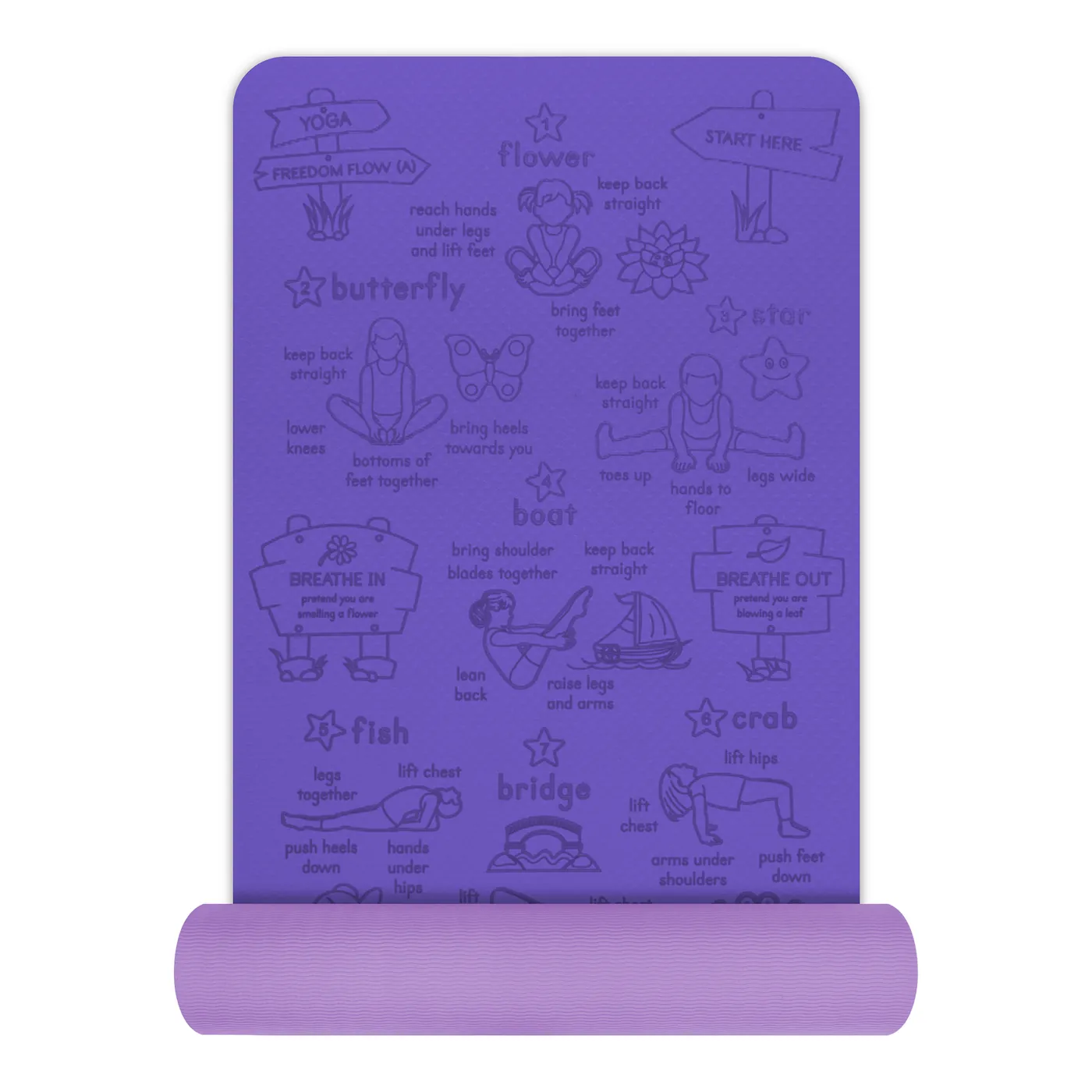
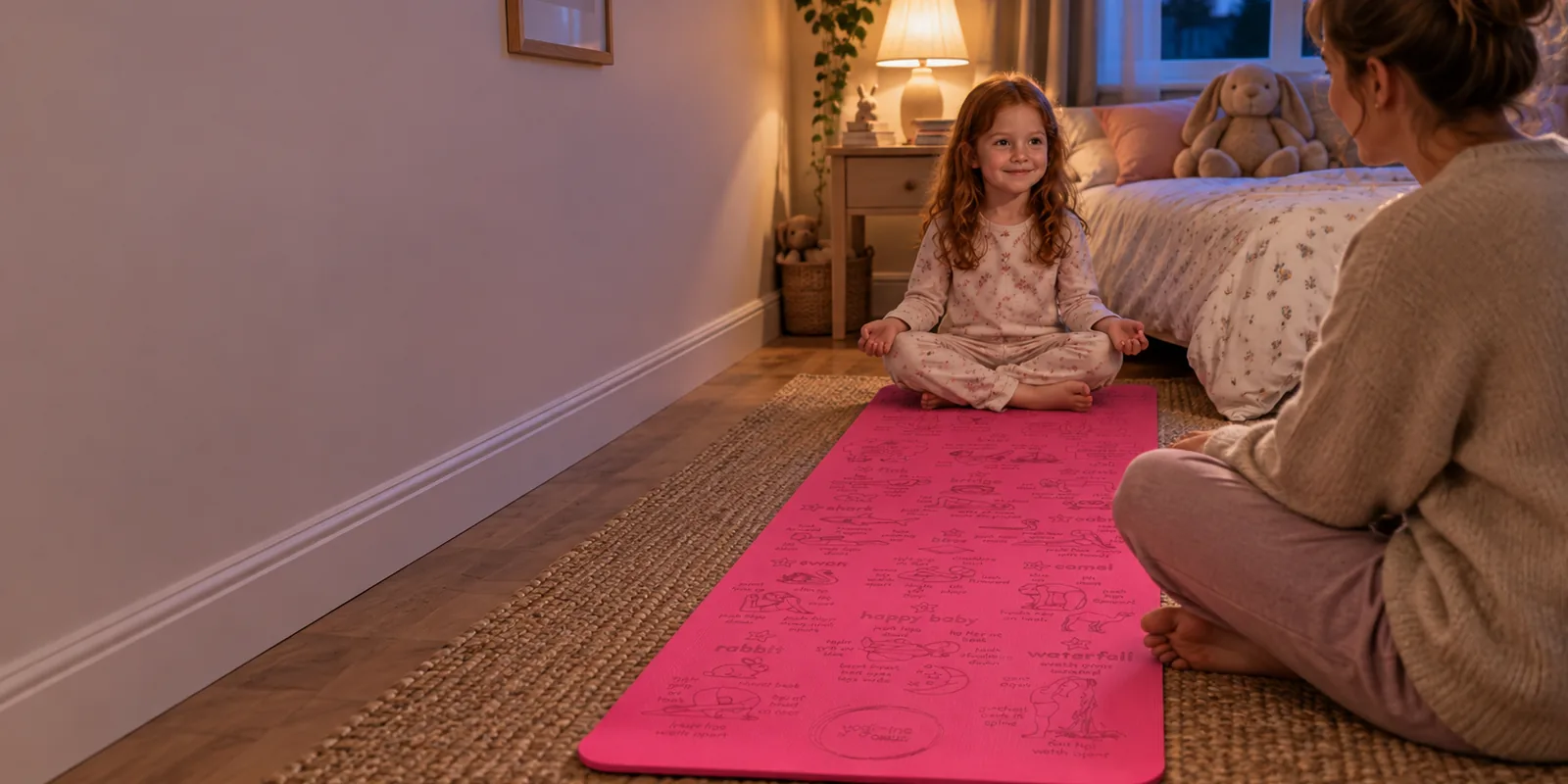
Busy, active days help too. Our list of activities for 2 year olds has 25 ideas that use up energy and build words, and if the telly has become the go-to for calming down, our guide to screen time for toddlers has realistic swaps. From age 3, some families add a short calm-down stretch to the bedtime routine, and our kids' yoga mats are made for ages 3 to 8, but at two, a cuddle on the sofa does the same job.
When to talk to your health visitor
You don't need to wait for a problem. The NHS says your child will have a two-year review, at 2 to 2 and a half, usually with a nursery nurse or health visitor. It covers "general development, including movement, speech, social skills and behaviour, and hearing and vision", and "managing behaviour", and you'll be sent an ASQ-3 questionnaire to fill in beforehand. It's a good place to say, plainly, what the hard moments look like at home.
Between reviews, the NHS says, you can get in touch with a health visitor or GP whenever something worries you. Its tantrum guidance adds: "If you're seriously concerned about your child's behaviour, talk to your health visitor or GP." Trust your instinct. If something about how your child is talking, playing or getting on with others worries you, or the tantrums are getting worse rather than better as they get older, ask.
And look after yourself. NHS Best Start in Life says that if you're feeling worried or low, support is available, including through your local Family Hub.
Frequently asked questions
When do the terrible twos end?
There's no fixed end date. The NHS says tantrums usually start at around 18 months, become less likely once a child can talk more, and are far less common by the age of 4. So the end comes gradually, as words start doing the job that screaming used to.
Why is my 2 year old so angry all of a sudden?
Often it's something simple. Look for a reason first, the NHS suggests: tiredness or hunger, or feeling frustrated or jealous, perhaps of another child, such as a new baby. A burst of independence can do it too, when they want to do things themselves and can't yet. If the change is big or doesn't settle, mention it to your health visitor.
Should you use time out with a 2 year old?
NHS Best Start in Life notes that some people suggest ignoring an upset toddler or giving them a time out, but says this is the time to help them manage big feelings instead, because they're only just learning how. Staying close and calm, and naming the feeling, fits a two-year-old better than sending them away.
Is it bad to shout back during a tantrum?
It won't help. The NHS says losing your temper or shouting back will not end a tantrum, and suggests concentrating on staying calm. Every parent shouts sometimes. If you do, come back once you've both calmed down, give them a cuddle and name what happened. That repair matters more than getting every moment right.