practice
Space Yoga for Kids: Countdown, Blast-Off and a Moon Buggy
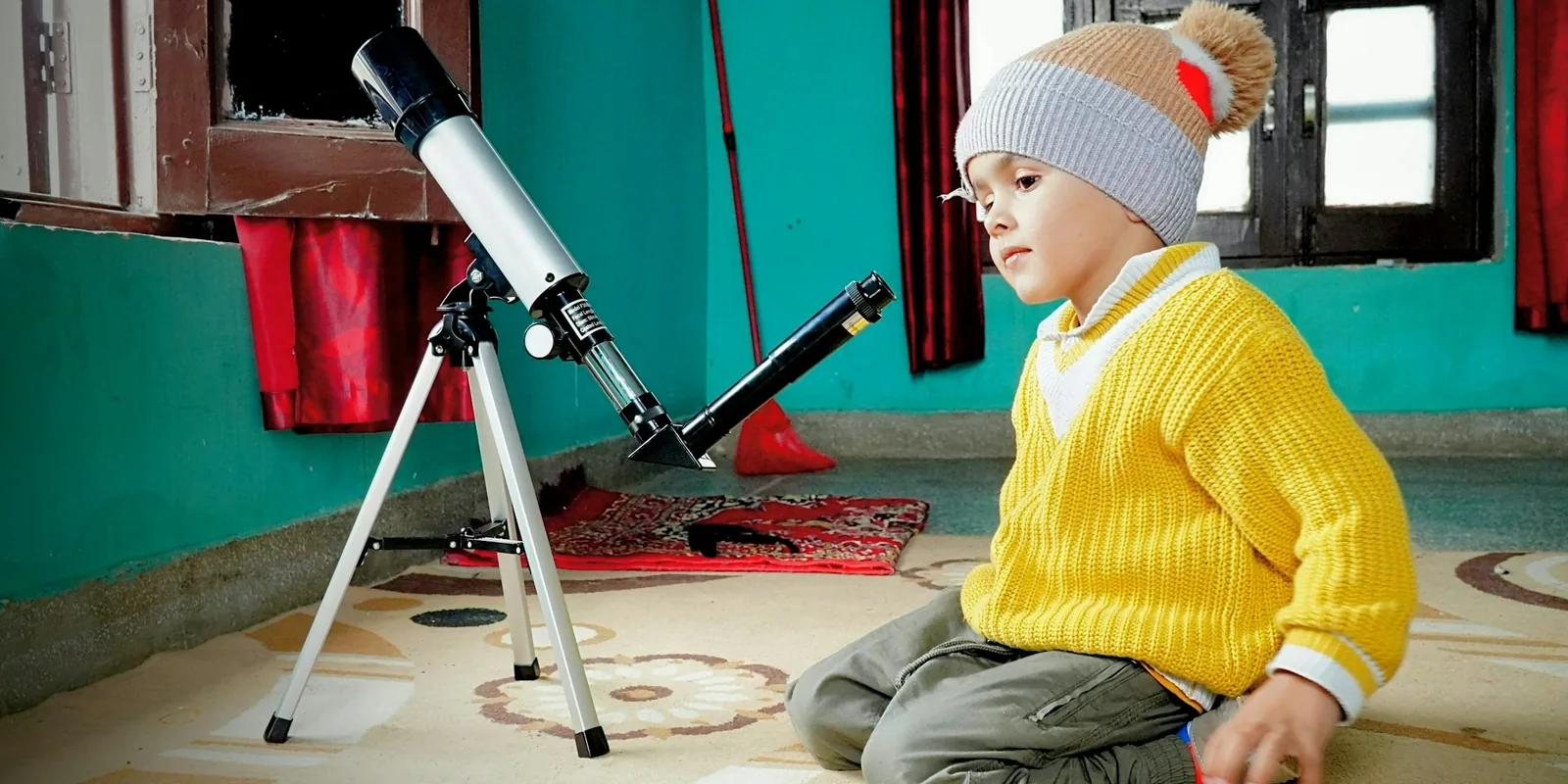
Space yoga for kids: you read mission control, your child flies a rocket, drives a Moon buggy and floats home. Seven floor poses, ages 3 to 8.
Here's space yoga for kids as a 10-minute mission for ages 3 to 8: a countdown, a blast-off, a sit among the stars, a drive across the Moon, a float with no gravity and a quiet landing. It uses seven poses from our Freedom Flow mat, every one of them done sitting or lying down, and needs no video or printout.
Every scrap of paper in the house has a rocket drawn on it, and now your child wants to be one.
What is space yoga for kids?
Space themed yoga for kids turns a run of ordinary yoga poses into a journey through space. Each pose gets a job: boat is the rocket lifting off, crab is a buggy on the Moon, and star is a star. Nothing about the poses changes. The story does the work.
When is a good time for a space mission?
Outer space yoga for kids suits the hour after a library book about planets, or the week your child's nursery or school starts a topic on space. Every pose is done on the floor, so it fits a small bedroom and suits children still finding their balance.
Ten minutes in a rocket is a start, not the day's quota. For pre-schoolers, the NHS guideline is at least 180 minutes a day of varied physical activity, and it adds that more is better. School-age children, 5 to 18, should average at least 60 minutes of moderate or vigorous activity each day across the week.
What are the best space yoga poses for kids?
Space yoga poses for kids don't have to look like space. Seven floor shapes do the flying here: flower is the launch pad, boat the rocket, star a star, crab the Moon buggy, bridge the space station, and happy baby and fish the float home. Mission control reads each line; the astronaut makes the shape.
1. Countdown on the launch pad (flower)
Sit at flower, number 1 on our Freedom Flow mat: sit tall, slide your hands under your legs and count down from ten together. On "blast off", lift your feet. The youngest crew can leave their feet down and just shout the numbers.
2. Lift-off (boat)
Tip back onto your bottom, raise your legs and reach your arms forward beside them. That V shape is the rocket climbing. Bent knees are fine. Expect some wobbling back down to Earth and a second launch.
3. Out among the stars (star)
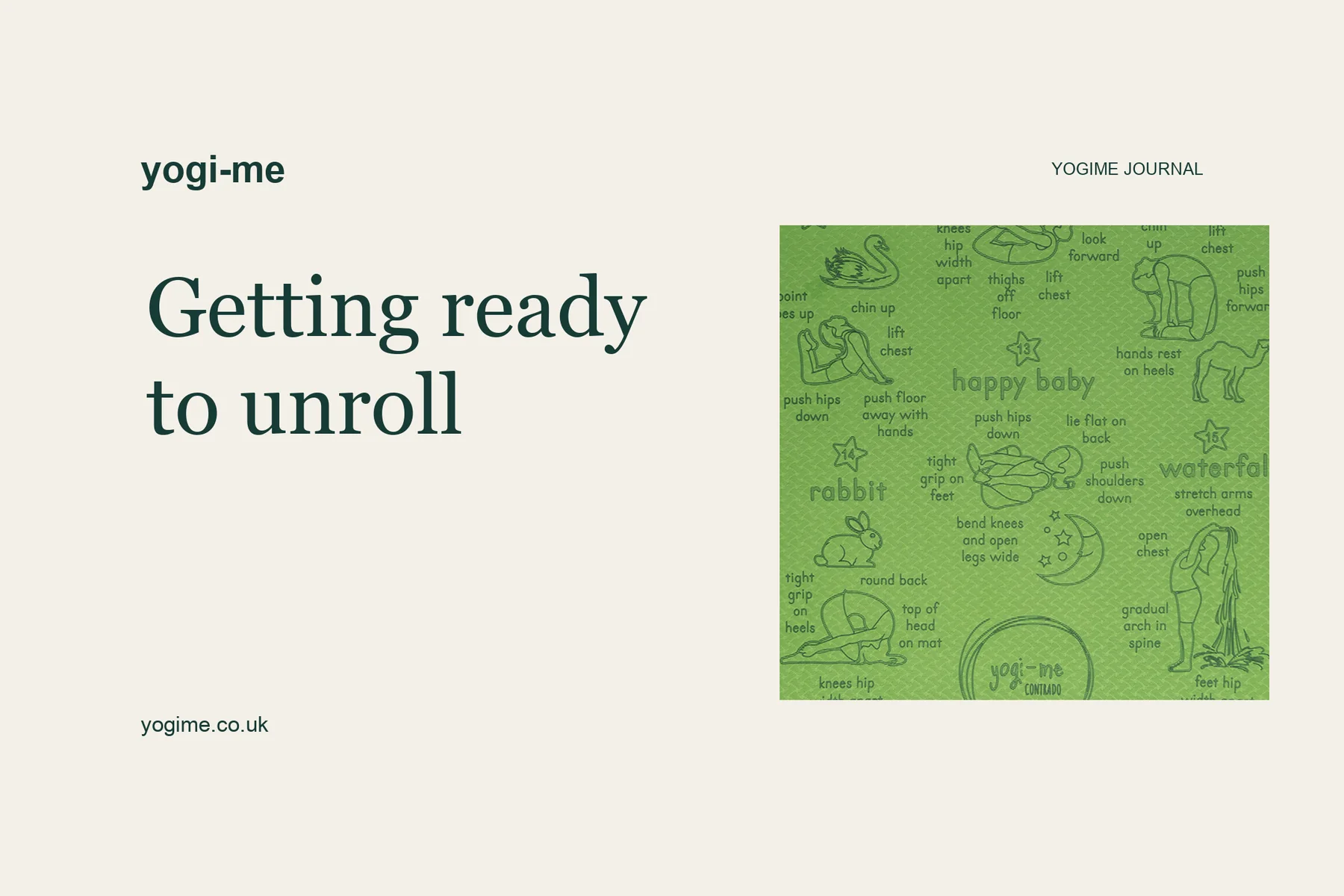
Find number 3. It's a star, and the only space thing actually named on the mat. On the mat, the star sits down: legs wide, toes pointing up, back tall, hands on the floor in front. Your child may try a star jump first. Let them, then sit.
4. Driving a buggy across the Moon (crab)
Sit down, plant your feet, and put your hands on the floor behind your bottom. Push your middle up off the ground: you're a Moon buggy. Walk it sideways across the craters if you like. Bottoms will touch down now and then, which counts as a bumpy bit of Moon.
5. Docking at the space station (bridge)
Lying back, knees bent and feet planted, push your hips up to make the space station. A toy rocket can fly in under the bridge to dock. Younger children hold it for a few seconds and lower slowly.
6. Floating with no gravity (happy baby)
Number 13. On your back, draw your knees up towards your armpits and catch hold of your feet. Rock slowly from side to side, floating round the cabin. This one usually brings the giggles.
7. Floating home (fish)
Lying flat with your legs together, slide your hands beneath you and lift your chest gently off the floor: you're drifting back down to Earth. Keep it small and slow, and come down if it feels like too much.
8. Lights off in the capsule (rest)
Lie flat and still with your eyes closed or looking at the "stars" on the ceiling. Breathe slowly, in through the nose and out through the mouth. Mission control will tell you when you've landed.
Can toddlers do space yoga?
Yes, if the shapes get easier while the story stays the same. With three- and four-year-olds, sit at flower with feet on the floor, bend the knees in boat, and skip fish if it's a struggle. Three-year-olds tend to love the countdown and the floating, so lean into those and don't worry about holding anything still.
Older children, six to eight, can hold every pose for three slow breaths and run the mission themselves, calling the countdown and narrating each step. Some will want to add a planet of their own. Our mats are made for 3 to 8-year-olds; for a two-year-old, the countdown and some floating on a rug is plenty.
How long does the rocket ride take?
About ten minutes: about a minute for each of the seven poses, counting down on the launch pad included, and three minutes resting in the capsule. That's 7 + 3. If you only have two minutes, the countdown and the star still count as a mission.
What if the astronaut won't follow the flight plan?
Follow theirs instead. If they only want to be the rocket, do the countdown and boat three times, then try "the rocket needs to land" as a way into the rest. If one child won't lie still at the end, make them mission control, counting the stars on the ceiling. Two astronauts and one rocket? Take turns calling the countdown, or give them a mat each.
If the floating turns into giggles, float a little longer, then try the landing again. For more ways to play with the same poses, try more yoga games to play together.
Can your child run the next mission?
Yes, and that's how it sticks. Once your child knows the countdown, hand over mission control and let them plan the next flight: which planet, which picture on the mat is the rocket, and where it lands. Tomorrow could be a dinosaur yoga story instead, or you can turn any picture book into a yoga story, which suits a library book about planets. If you're starting from scratch, a beginner's guide to kids' yoga at home walks you through a first session.
One true story for the space fan: according to the UK government, Tim Peake, the UK's first European Space Agency astronaut, spent 186 days on the International Space Station, and in April 2016 he set a world record time for running a marathon in space.
A mat with the star already on it
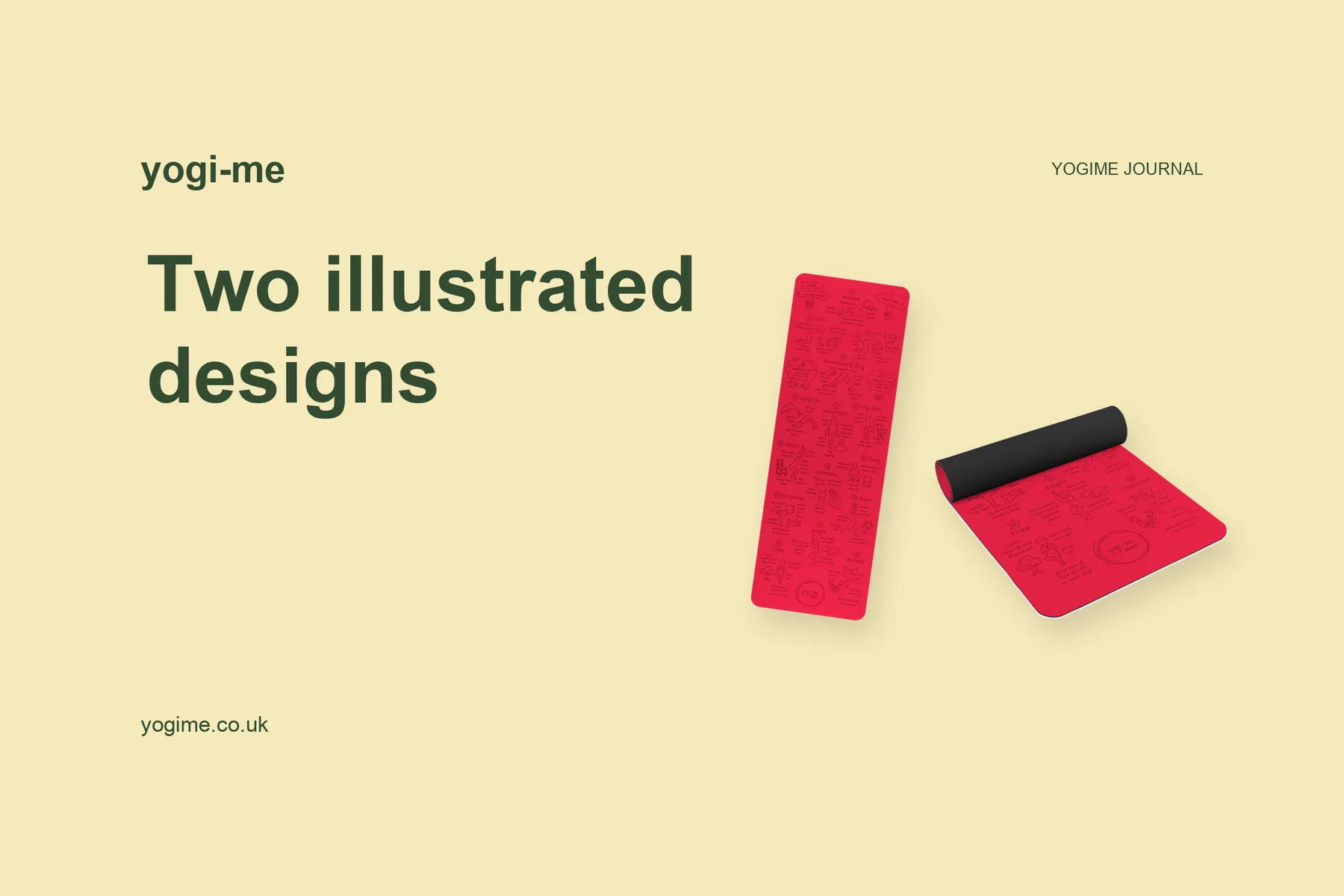
On Freedom Flow, the launch pad is number 1, the star is number 3 and the floating astronaut is number 13. They're three of the 15 poses laser-engraved into the mat, so a child can fly the mission by number with no screen to follow. Sun Salutation, our other design, carries a different fifteen, beginning with mouse and finishing with dancer.
Although it's made for ages 3 to 8, each mat is a full 183 x 61 cm, so a grandparent running the mission at their house can lie down in the capsule too. A mat costs £34.99, delivered free in the UK, with 10 per cent off when you buy two or more. See full-length yoga mats for children, gifts grandparents can give, or more presents that keep them moving.
Frequently asked questions
Do you need a video for space yoga for kids?
No. Mission control is you, reading eight short lines, and after one flight your child will know the countdown better than you do. Every pose is done on the floor, so a rug or carpet works. On Freedom Flow, the launch pad is number 1 and the star is number 3, so the astronaut can find both unprompted.
Is star pose the same as a star jump?
Not on our mat. There, star is a seated pose: legs wide, toes pointing up, back tall and hands on the floor in front. A star jump is a different, bouncier thing, and plenty of children will do one first anyway. Let them jump, then sit down and be a star.
Can you do space yoga at nursery or in a Reception class?
Yes, and a class suits the mission-control format. Pick one child to be mission control for each flight and call the countdown, while everyone else is the crew, each on a mat or a patch of floor. Leave a good gap between children before the crab, because Moon buggies drift sideways.
Which space yoga poses are easiest for a three-year-old?
Star, happy baby and the final rest are the easiest, along with the countdown sitting at flower with feet on the floor. Boat with bent knees is a good next step. Keep the session short, let them pick which part of the mission to play, and skip anything that turns into a struggle.