practice
Morning Yoga for Kids to Start the Day Well
Morning yoga for kids in 5 to 10 minutes: a simple routine by age, from animal poses to a short sun salutation, plus how to make it a daily habit.
Morning yoga for kids works best as a five to ten minute routine before breakfast: a minute of waking stretches, three or four animal poses, an optional balance for older children and a minute of slow breathing. Keep it to three to five minutes for pre-schoolers, and anchor it to the same moment each day so it becomes a habit.
Mornings with young children can feel like a race. There's breakfast to make, shoes that vanish, and a small person who woke up in a mood nobody can quite explain.
You've probably heard that morning yoga might help, and wondered whether it's genuinely worth it or just another wellness trend.
Here's the honest, practical version, backed by NHS and WHO guidance, with a simple routine you can start tomorrow. If your child is brand new to it, our beginner's guide to yoga for kids is a gentle place to begin.
Is morning yoga actually good for kids?
Yes. A short morning session gets your child moving, and the NHS says children aged 5 to 18 should aim for at least 60 minutes of activity a day. Five to ten gentle minutes after waking is a simple, achievable way to start chipping away at that.
For younger children, the case is just as strong. The NHS recommends that under-5s who can walk are active for at least 180 minutes a day, spread throughout the day. A brief morning flow is one small, playful part of that total, not the whole thing.
None of this needs to be sporty or serious. Yoga is stretching, balancing and breathing, done at a child's pace and turned into a bit of fun.
How long should a morning yoga routine for children be?
Keep it short. Five to ten minutes suits most children, and younger ones do best with playful, spread-out movement. The NHS recommends under-5s who can walk are active for at least 180 minutes a day, so a brief morning flow is one small, gentle part of that.
Age changes what works. A pre-schooler wants to hop like a frog for thirty seconds, not hold a pose, which is why our yoga poses for preschoolers are all short and playful. A 7 or 8 year old can manage a fuller sequence and a little balance.
- 3 to 4 (pre-school), Suggested length: 3 to 5 minutes; Best focus: Playful animal poses, lots of copying, no long holds
- 5 to 6, Suggested length: 5 to 8 minutes; Best focus: A few poses plus simple breathing, told as a story
- 7 to 8, Suggested length: 8 to 10 minutes; Best focus: A fuller flow such as a short sun salutation, gentle balance
What does a simple morning yoga routine for kids look like?
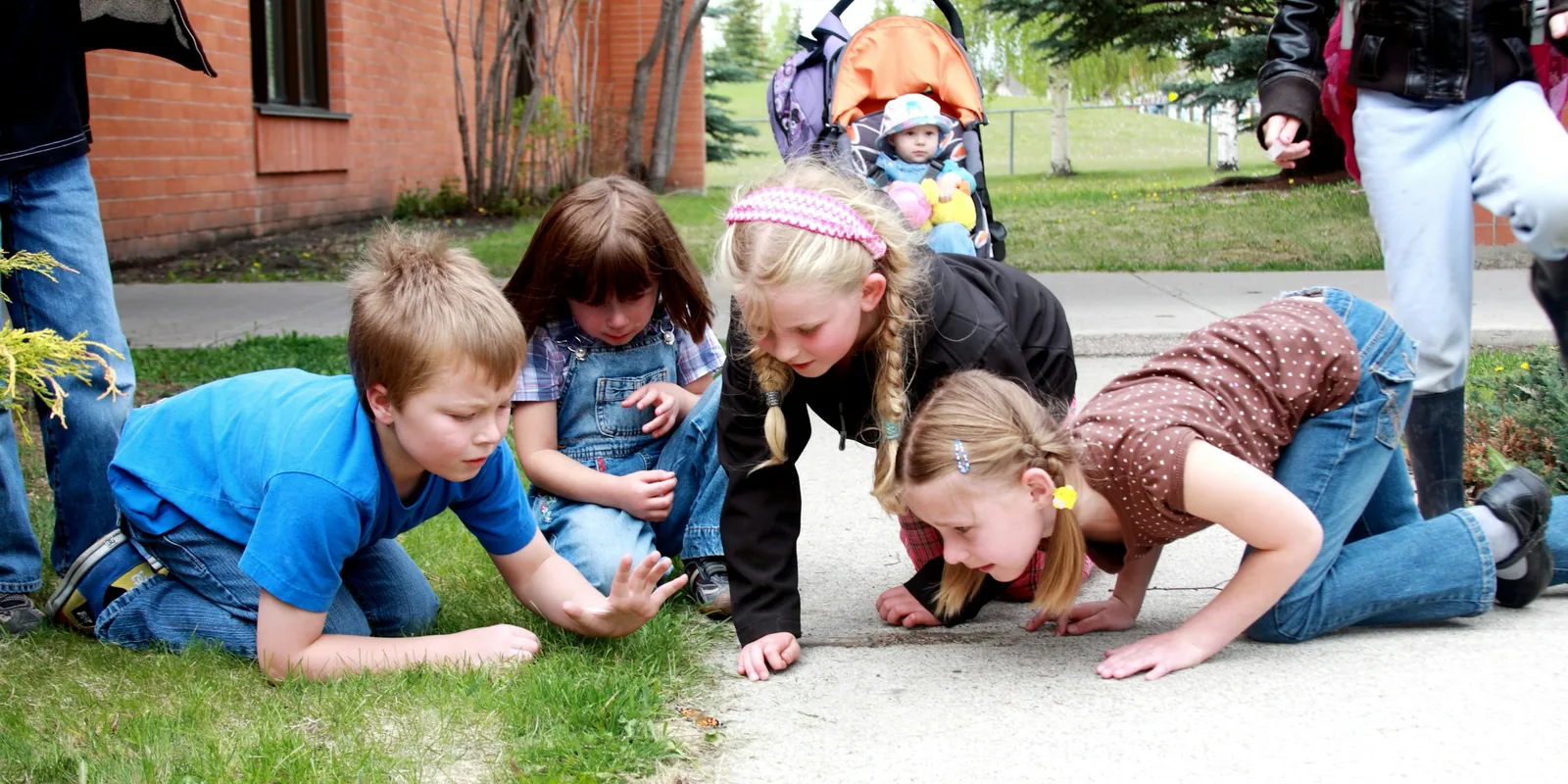
Start slow and make it a game. Wake the body with a few stretches, move through three or four animal poses your child enjoys, then finish with calm breathing. No experience is needed, and copying you is half the fun for a 3 to 8 year old.
Here is an easy order to follow:
- Wake up (1 minute). Reach tall to the ceiling, then fold forward and wiggle like a rag doll.
- Move (3 to 5 minutes). Try three or four poses, for example cat, cobra, frog and tree. Our five animal poses for kids are a good starter set. For a livelier start, swap them for a wake and shake routine you call out loud.
- Balance (1 minute, optional). Older children can stand like a flamingo on one leg and count how long they last.
- Calm (1 minute). Sit still and take three slow "smell the flower, blow the candle" breaths.
If your child likes a sequence, a gentle sun salutation for kids flows nicely from stretch to stretch and works well for the 7 to 8 age group.
Will morning yoga help my child feel calmer and focus better?
It can help them feel settled. The NHS says being physically active releases feel-good hormones that boost mood, reduce stress and anxiety and help you sleep better. Yoga is not a treatment for anxiety, but a calm, connected start can help your child feel more grounded before nursery or school.
Keep your expectations kind and realistic. Some mornings the poses will end in giggles and chaos rather than calm, and that's fine. The value is in the habit and the few minutes of unhurried time together, not in getting it perfect.
How do I make morning yoga a screen-free habit that sticks?
Anchor it to something you already do, like just before breakfast. The WHO suggests replacing screen time with active play for under-5s, and a morning flow gives your child a screen-free, connected start. Keep the time consistent and it soon becomes a habit nobody has to nag about.
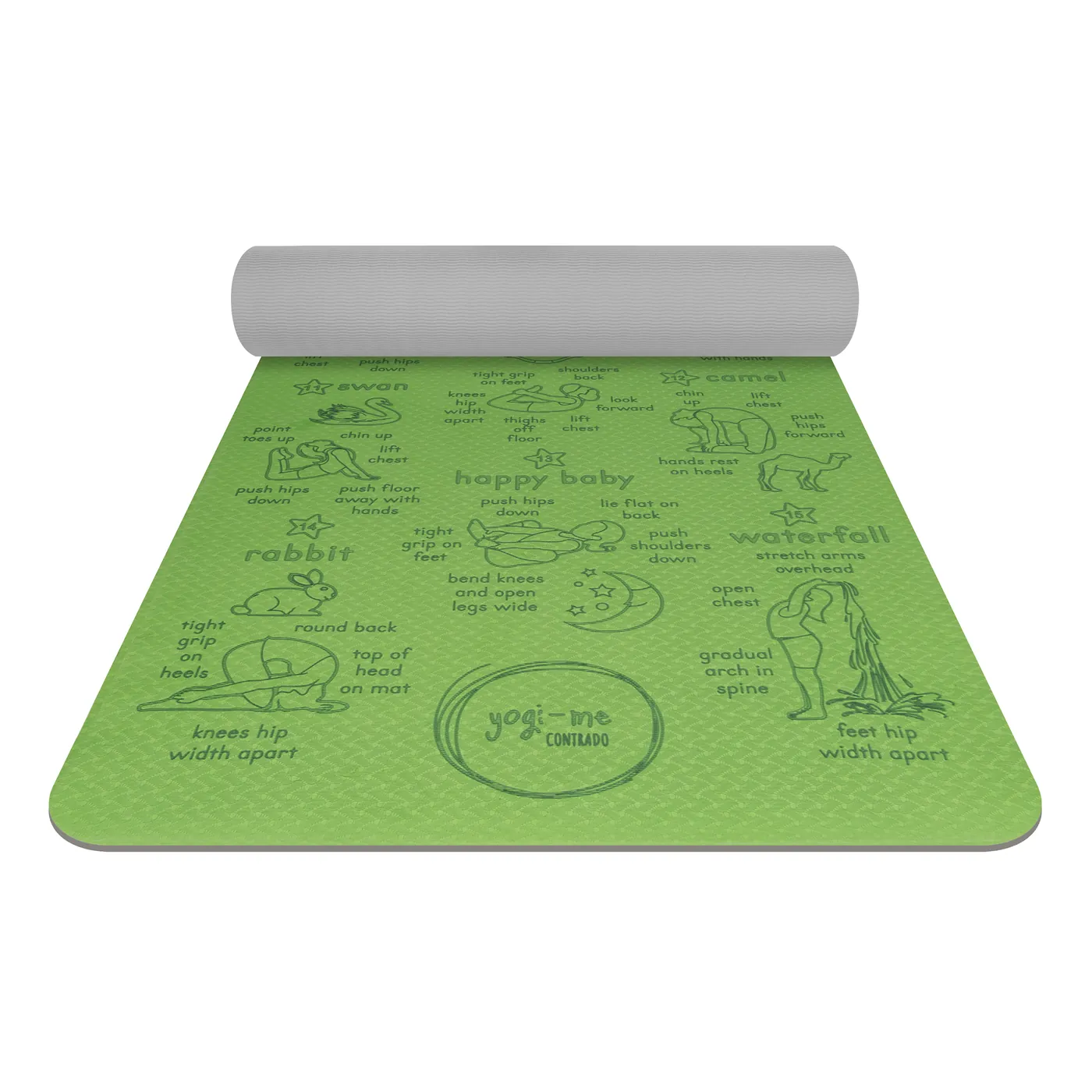
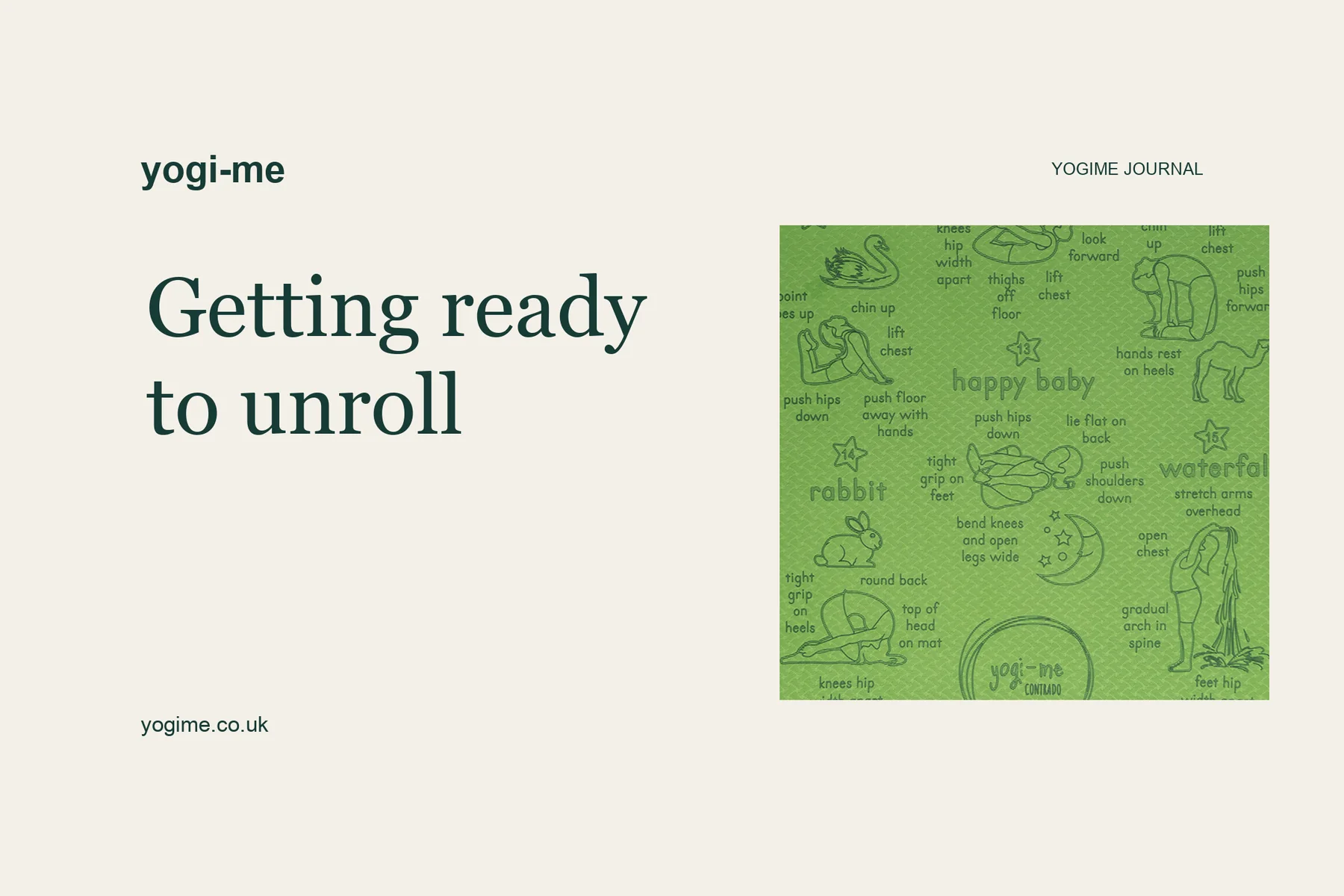
A dedicated space helps it feel real. Rolling out a mat is a clear signal that it's yoga time, which makes the routine easier to repeat. Our Yogi-Me mat has 15 numbered poses marked into it, so your child can lead the way without you calling out instructions.
For more ideas on keeping new routines going, see our tips on screen-free habits that stick.
Frequently asked questions
How much yoga should a 4-year-old do?
Keep it to a few playful minutes. The NHS advises under-5s who can walk be active for at least 180 minutes a day across lots of short bursts, so three to five minutes of animal poses is a lovely start, not the whole quota. Stop while they are still enjoying it and they will ask again tomorrow.
What time of morning is best?
Any time that fits your routine. Many families find just before or after breakfast works because it's already a natural pause. The key is consistency, so pick a slot you can repeat most days rather than chasing the "perfect" time.
Do I need to limit screens in the morning?
It's less about a strict number and more about what screens replace. The WHO advises that young children sit less and play more, swapping sedentary screen time for active play, quality sleep and time with family. Morning yoga is simply one positive thing that fills the space a screen might otherwise take.
Can a morning routine help my child sleep better?
It can support it. The NHS says regular activity can help you sleep better, and the WHO recommends regular sleep and wake-up times for young children. A calm, predictable morning is part of that steady daily rhythm. If sleep is a regular struggle, talk to your GP or health visitor.
Does my child need a special mat?
Not essential, but a child-sized, non-slip mat makes poses safer and clearer, and it gives your child a defined spot that signals yoga time. If you buy one, look for a grippy mat that suits their height and is made from a non-toxic, PVC-free material.
A warm invitation from Yogi-Me
If a screen-free, five-minute morning together sounds like your kind of thing, we'd love to help you start. Our kids' yoga mats are made from non-toxic, PVC-free TPE, with 15 numbered poses marked into the surface so your child can lead their own little morning adventure. Roll one out tomorrow and see how the day begins.
Sources
- NHS - Physical activity guidelines for children and young people (5 to 18)
- NHS - Physical activity guidelines for children (under 5 years)
- WHO - To grow up healthy, children need to sit less and play more
- WHO - Guidelines on physical activity, sedentary behaviour and sleep for children under 5 years
- NHS Every Mind Matters - Be active for your mental health