guides
How to Help a Child Focus and Concentrate

How to help a child focus: the sleep, movement and routine changes that work for ages 3 to 8, plus a calm breathing reset and when to see your GP.
To help a child focus, start with sleep, movement and structure: protect their sleep, let them move before anything that needs concentration, give the day a predictable shape and ask for one thing at a time. Short attention spans are normal in young children, so a few minutes of real focus from a four-year-old is a win. Slow breathing and yoga help too.
Your child can spend an hour building a den, then can't sit still for two minutes when you ask them to. If that sounds familiar, you're not doing anything wrong, and neither is your child.
Focus in young children is a skill that grows slowly, and it's easily knocked off course by tiredness, too much screen time and too little movement.
The good news is that the things that help are simple, free and something you can start this week. Here's what actually works.
Why can't my young child concentrate?
Short attention spans are usually normal, not a problem. Focus is a skill that builds with age, so a busy three-year-old who flits between toys is developing exactly as expected. NHS speech and language guidance suggests keeping activities short for young children, 5 to 10 minutes at most, because attention and listening are still developing at this age.
So before you worry, reset your expectations.
A five-minute stretch of real concentration from a four-year-old is a win, not a failure. When people say a young child "won't sit still", they're often describing normal development rather than a concern.
Focus also dips for very ordinary reasons. Over-tiredness, hunger, an overstimulating room, or simply being asked to sit after a long stretch of screen time will all shorten the window. Fix those, and concentration often improves on its own.
How can I improve my child's concentration this week?
Start with the three biggest levers: sleep, movement and structure. A rested child who has moved their body and knows what's coming next will concentrate far better than one who is tired, restless and unsure. None of this needs money or special equipment, just small daily habits repeated calmly.
Here are the practical wins to try first.
Protect their sleep
Tired children can't concentrate, full stop. Sleep is the hidden focus lever most parents overlook. The Sleep Charity sets rough age-based needs: about 10 to 12 hours for children aged three to six, and 10 to 11 hours for those aged seven to twelve.
Protect that sleep by winding screens down early. The Sleep Charity advises turning off all screens an hour before bedtime, including television, tablets and phones, because screen activities can be stimulating and may affect melatonin, the hormone that helps children feel sleepy.
Let them move first
Movement isn't the enemy of focus, it's a tool for it. A busy mind often settles once the body has been active. The NHS recommends children aged 5 to 18 get an average of at least 60 minutes of moderate-to-vigorous activity a day, and toddlers and pre-schoolers should be active for at least 180 minutes (3 hours) daily.
Try a burst of movement before anything that needs concentration, whether that's a few animal poses, a dance or a run around the garden. Our brain breaks for kids and movement breaks are built for exactly this.
Give the day a shape
Children focus better when they know what's coming next. A predictable rhythm to the day, even a loose one, removes the low-level uncertainty that scatters attention. Simple routines around meals, play, quiet time and bed do more for concentration than any single clever trick.
Ask for one thing at a time
Young children can't hold a string of instructions. "Put your shoes on" lands. "Get your shoes, your coat and your bag and wait by the door" usually doesn't. Break tasks into single steps and let each one finish before the next.
Does screen time affect a child's focus?
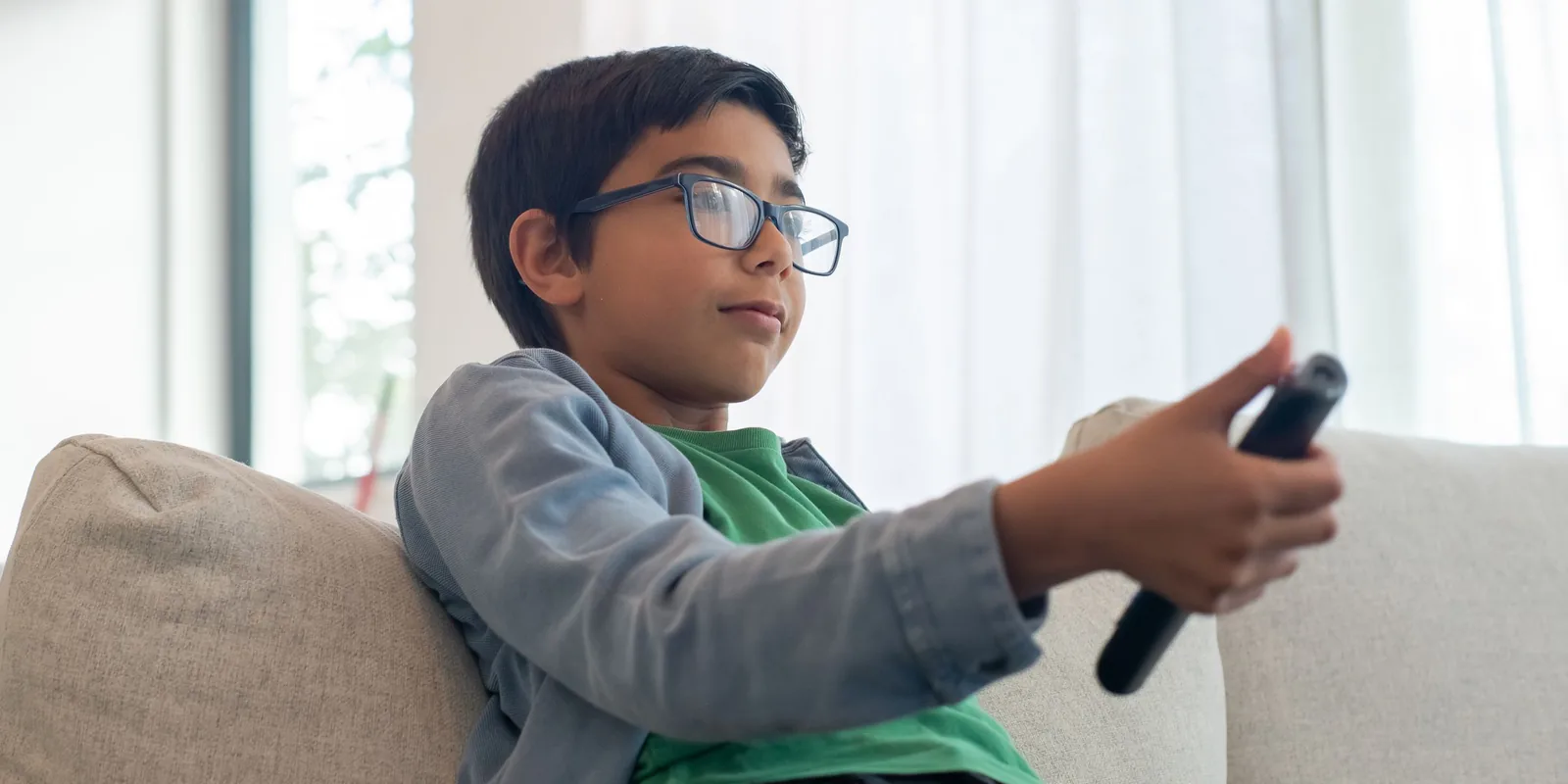
Screens aren't automatically harmful, but the amount and the timing matter. Long, passive screen sessions can crowd out the sleep, play and conversation that build attention. The calmest approach is to set gentle limits and build screens around your family's day rather than the other way round.
That framing echoes NHS advice for families: find a balance between screens and other activities, and agree clear boundaries together, such as screen-free mealtimes.
The headline guidance from the UK government's Best Start in Life service and the NHS is reassuringly clear, and the WHO sets the same one-hour ceiling for 2 to 4-year-olds.
- Under 2, Screen-time guidance: Avoid screens, except shared family activities such as a video call; Source: UK government
- 2 to 5, Screen-time guidance: Try to keep it to 1 hour a day, less if possible, with none at meals or in the hour before bed; Source: UK government
- 6 and over, Screen-time guidance: No UK hourly limit. NHS advice is to agree family boundaries, such as screen-free mealtimes and no screens before bed; Source: NHS
For context on how common screens have become, Ofcom's research found that a third of online 8 to 17-year-olds think their own screen time is too high.
You don't need to ban screens. You just need them to sit around the good stuff, not on top of it. Our screen time by age guide walks through the guidance age by age.
Can yoga and breathing help a child focus?
Yoga and mindful breathing give children a daily reset that builds self-regulation and body awareness. A few minutes of slow poses and calm breaths teaches a child to notice their body, slow down and steady themselves, all skills that feed directly into concentration. It's movement and calm in one short session.
For a child who "won't sit still", yoga is a gentle way to stretch the attention window. Following a sequence of poses asks them to hold focus for a little longer each time, without it feeling like sitting still on command. At school, teachers can use one-minute mindfulness activities between lessons.
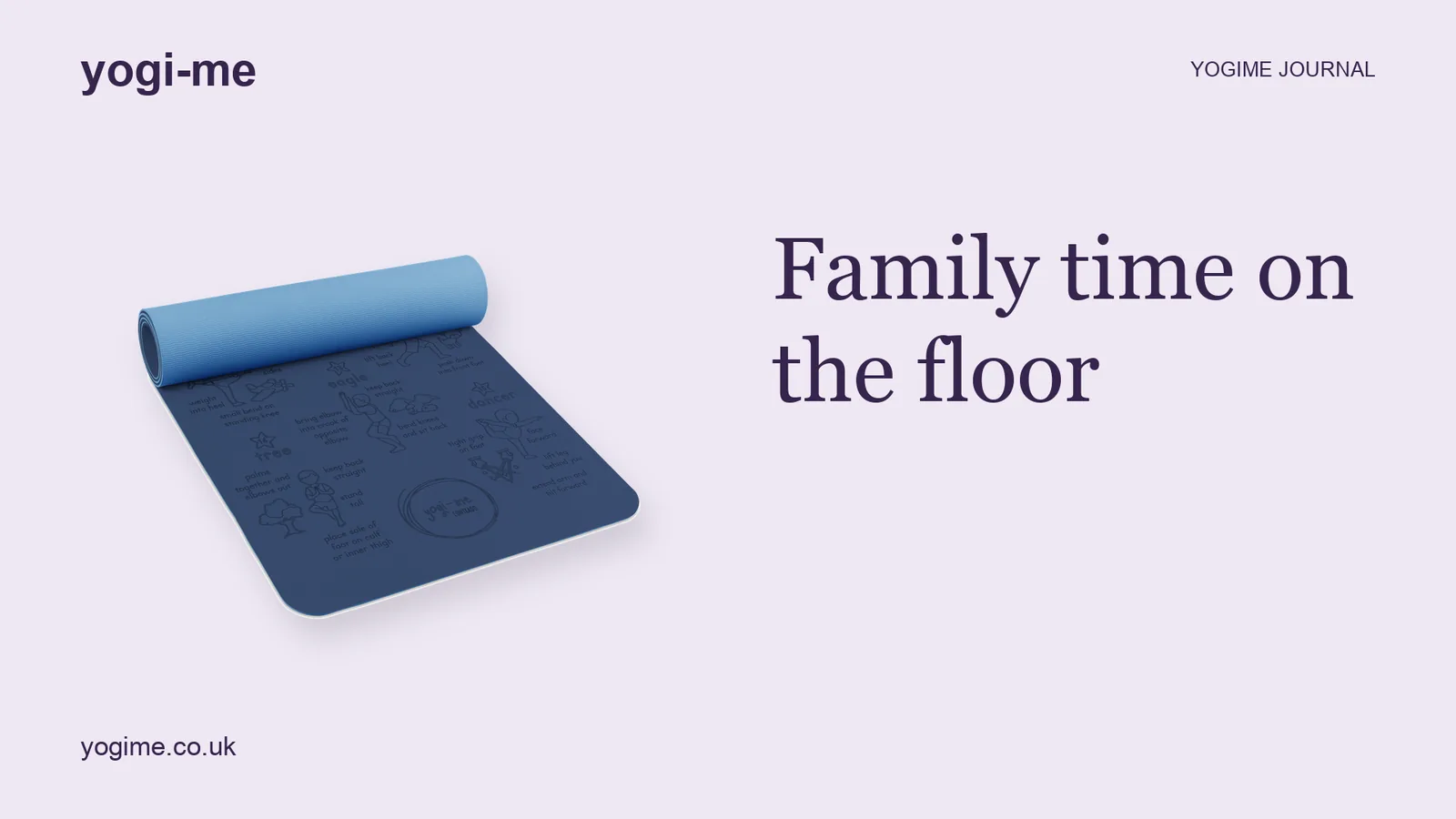
Keep it playful. 15 numbered poses on a mat turn focus practice into a game, which is exactly how young children learn best. You can read more about why yoga suits young children and try some simple calming and mindfulness ideas that pair well with it.
When should I speak to a GP?
Most focus wobbles are ordinary and improve with sleep, movement and routine. But if you have persistent concerns about your child's attention, behaviour or development, and they don't ease over time or they affect everyday life, it's worth speaking to your GP or health visitor.
Trust your instinct. Seeking advice is sensible, and it's not the same as assuming a diagnosis. A professional can help you understand what's typical and what might need more support.
Frequently asked questions
How long should a 4-year-old be able to focus?
Not very long, and that's normal. NHS speech and language guidance suggests keeping activities for young children to 5 to 10 minutes at most, because attention is still developing. A four-year-old will often manage less, so short bursts of concentration are exactly what to expect.
Why can my child focus on play but not on tasks I set?
Because focus follows interest at this age. A child building a den is choosing the task, setting the pace and getting instant rewards. Something you set asks for attention they are still developing. Keep set tasks short, break them into single steps, and let them move first.
Does sugar make it harder for children to concentrate?
Focus is far more reliably affected by sleep, activity and routine than by any single food. The strongest evidence-backed levers are the NHS activity guidelines and steady sleep. Get those steady first, and you'll usually see the biggest difference in concentration.
What's a quick way to help my child settle before homework or a task?
Move first, then breathe. A short burst of physical activity followed by a few slow breaths helps a busy mind settle. Even two or three minutes of animal poses on a mat can act as a reset before anything that needs sitting and focusing.
A calm few minutes, every day
Helping your child focus isn't about one big fix. It's small, kind habits repeated: enough sleep, daily movement, a predictable rhythm and a few calm minutes to reset.
A Yogi-Me screen-free yoga mat makes that last part easy, with 15 numbered poses marked into it so your child can lead their own short practice. It's a gentle, screen-free way to build the focus and calm that grows with them.
Sources
- UK government, Best Start in Life: Screen time for under-5s
- NHS: Physical activity guidelines for children and young people
- NHS: Physical activity guidelines for children under 5
- The Sleep Charity: How much sleep does my child need?
- The Sleep Charity: Relaxation tips for children
- NHS (Leeds Community Healthcare): Attention and listening
- NHS (Bedfordshire and Luton children's health): Screen time
- World Health Organization: To grow up healthy, children need to sit less and play more
- Ofcom: Children and parents media use and attitudes report