community
World Kindness Day: What It Is and 15 Ideas for Kids
World Kindness Day is 13 November. Find 15 small acts for children aged 3 to 8, plus the 2026 theme and ideas for home and school.
When is World Kindness Day 2026?
World Kindness Day is Friday 13 November 2026, a day for celebrating kindness through small, helpful actions. School of Kindness confirms the date. Below are 15 ideas for children aged 3 to 8 to try at home, school or nearby, plus answers about the theme, what to wear and how to join in.
In this guide: the date and meaning, activities for home, school and your neighbourhood, a short evening script, and frequently asked questions.
Keep it separate from another November event. The Anti-Bullying Alliance lists Odd Socks Day as Monday 16 November 2026. Our Odd Socks Day guide covers that occasion.
Check your nursery or school's message before making plans. Choose something that fits around the day you already have: a thank-you on the school run or a drawing after tea. There's no need to attempt the whole list.
What is World Kindness Day, and who runs it?
World Kindness Day is an international celebration created by the World Kindness Movement. The movement's own history records its launch on 13 November 1998, following a gathering of kindness organisations in Tokyo in 1997. In Britain, Kindness UK promotes Kindness Day UK on the same annual date.
For a young child, you can explain it like this: "We're going to notice something that would help someone, then have a go at doing it."
Make the explanation specific. For example, someone has dropped their drawing pencils: ask whether they'd like help collecting them. Someone wants company: offer to sit together. Start with the person and what they actually want.
Kindness UK welcomes small individual acts as well as bigger organised projects. Your family's contribution can be a quiet, ordinary thing. A thank-you delivered in your child's own words is enough to choose for the day.
Why do we celebrate World Kindness Day?
We celebrate World Kindness Day to give everyday kindness some deliberate attention. Kindness UK describes it as a day to celebrate and promote kindness in all its forms. For your family, use it to notice the helpful things that can disappear into a busy day.
In its general wellbeing guidance, the NHS says giving and kindness can support mental wellbeing, including through connection with others and a sense of purpose. Keep the activity about helping someone, with no expectation that your child must feel cheerful afterwards.
Be specific when you notice kindness: "You made space so she could join in" says more than "Good boy" or "Good girl". Ask what the other person wanted, and whether your offer helped.
Keep personal boundaries in the conversation too. NSPCC guidance says children should have choices about joining activities and can refuse unwanted touch. A wave, a drawing or a spoken thank-you can replace a hug. Let your child choose, and respect the other person's choice as well.
What can children do for World Kindness Day at home?
At home, choose a helpful job, share a choice or notice something someone has done well. These World Kindness Day activities use ordinary household things. Pick one together, say who it's for and leave enough time for your child to take part without being rushed.
- Lay someone else's place. Put out a napkin and a spoon for a family member. Ask where they'd like to sit, then invite them over when the meal is ready.
- Let someone choose the game. Offer a sibling or grown-up the choice between two games you both want to play, then join in with their choice.
- Put a small wrong right. For example, if you've knocked over someone's block tower, ask whether you can help rebuild it. Let them say how they'd like it repaired.
- Prepare a reading spot. Put a favourite book and cushion beside someone who'd like company. Ask whether they want you to look at the pictures with them.
- Give a specific compliment. Notice an effort: "You kept trying with that drawing." Say what you liked, without comparing them with anyone else.
For words to put in a note afterwards, try our small gratitude activities for children.
How can schools mark World Kindness Day?
Schools can combine a kindness conversation with small actions children choose during the day. School of Kindness is running a 30-minute virtual assembly around its own theme, 'One Kind Thing'. For something within the classroom, these five ideas give children a practical place to start.
- Invite someone into a game. Try "Would you like to play?" Explain what's happening, and let them decide. An invitation can stay friendly even when the answer is no.
- Help someone find their way. With the teacher's agreement, show a classmate where a shared resource belongs or explain the rules of a familiar game.
- Thank someone whose work gets missed. Tell a lunchtime supervisor, cleaner or office colleague what you appreciate. A class drawing can carry children's dictated words.
- Make shared equipment easier to reach. Pass the pencil pot across or offer someone the paper they need. Ask first instead of taking over their work.
- Leave a shared space ready. Put the books back in the reading corner or gather drawing materials for the next group, following the classroom routine.
Ask the teacher what would be useful before sending anything in. For activities beyond the occasion, our kindness ideas for home and school offer more options.
What random acts of kindness can children do nearby?
Children can thank a local helper, offer company or give something they've chosen to pass on. Keep these random acts of kindness for kids close to familiar people and places. A grown-up can organise the contact, while the child chooses the words, picture or action.
- Thank the lollipop person. Draw a crossing scene and add "Thank you for helping us cross." Ask a parent to arrange a suitable moment to pass it on.
- Make a kindness rock for someone you know. Paint a heart on a stone and offer it as a gift. They can choose where to keep it.
- Give a relative your attention. Arrange a short call and ask about their day. Listen to their answer before sharing your own news.
- Pass on a wanted item. Let your child choose a book or toy they're ready to give away. An adult checks that the recipient or charity wants it.
- Offer someone the next turn. At a shared drawing table or game, ask whether they'd like to go before you.
For the rock activity, supervise and keep small stones and craft pieces away from under-3s because of choking risks, as the Child Accident Prevention Trust advises for small objects. Use a paper heart if younger siblings are joining in.
When kindness brings up a worry
If your child mentions an upsetting friendship or something that happened at school, pause the activity and listen. Ask their teacher for help with what happens next.
If worries or low feelings persist, or you're seriously concerned about how your child is feeling or acting, speak to your GP or health visitor. The NHS lists teachers, GPs and health visitors for children up to 5 as starting points for support. Let the conversation take priority over finishing a kindness task.
Finish with a kindness wish
Try a short loving-kindness script after your chosen activity. Sit together wherever you're comfortable and explain that you're going to make some kind wishes for yourself and someone else.
Say: "May I feel cared for. May you feel cared for. May we treat people gently."
Your child can repeat the words, listen or choose their own. Think of someone they know, then ask: "What would be a kind thing to do for them?" Leave room for "I don't know" and come back to it another day.
For a suggested ten-minute plan, spend two minutes choosing an act, five doing it and three on the wishes. Take longer if you're enjoying yourselves.
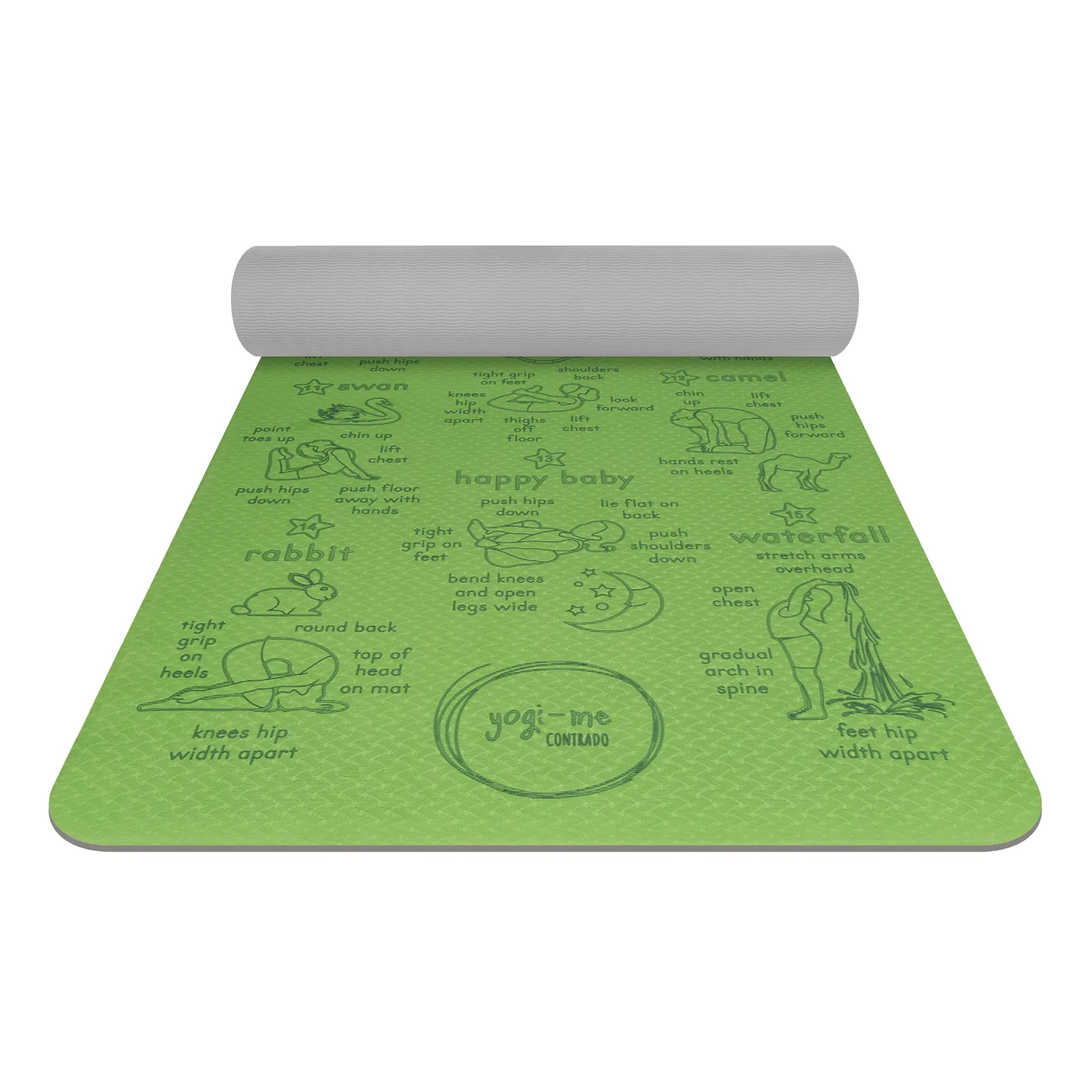
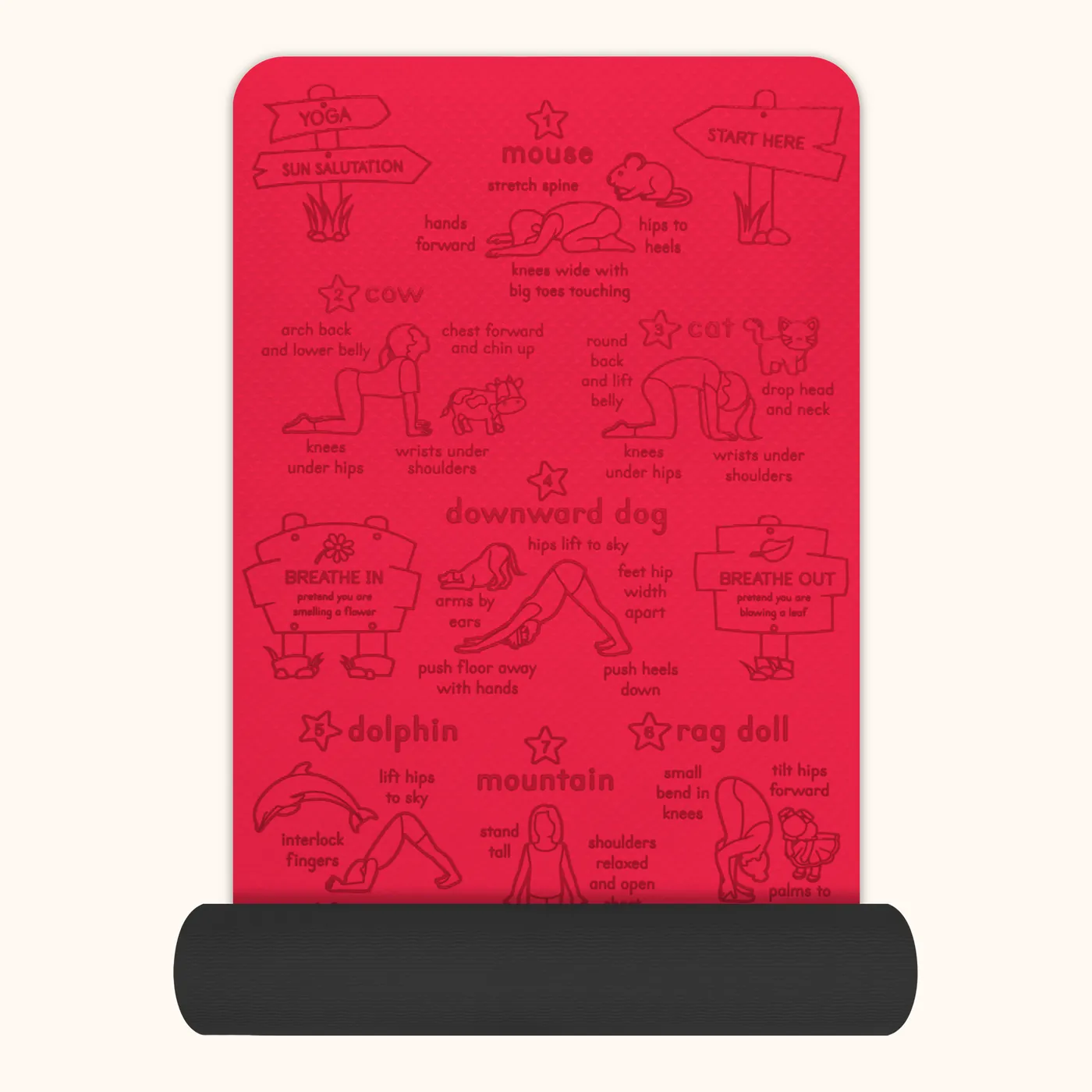
If you'd like to pair the wishes with floor-based movement, explore Freedom Flow for your family's kindness time. This Yogi-Me design has 15 numbered poses laser-engraved into the surface, with a sequence that's mostly on the floor. You can use the spoken script on its own too.
Frequently asked questions
What colour do you wear for World Kindness Day?
Wear ordinary clothes unless your nursery or school has asked for something specific. Kindness UK's published guidance doesn't specify a clothing colour. You can choose a favourite outfit for activities at home, but check the school message before buying anything or sending your child in different clothes.
What is the theme for World Kindness Day 2026?
The World Kindness Movement's 2026 theme is 'From One Day To Every Day'. Its invitation is to keep kindness going beyond the day itself. For a child, that could mean choosing one useful action on Friday, then finding another chance to do it again over the weekend.
Is World Kindness Day the same as Random Acts of Kindness Day?
No. World Kindness Day falls on 13 November, while the Random Acts of Kindness Foundation's annual day is on 17 February. Both invite kind actions, so you can use the same ideas for either occasion. A note, a helpful job or an invitation to play works on an ordinary day too.
How can a three-year-old join in with World Kindness Day?
Offer your three-year-old a small choice, such as putting out a napkin or drawing a picture for someone they know. You can write their words or help hand it over. Treat these as options to try together, and follow your child's interest rather than expecting a finished card or a speech.
Sources
- School of Kindness: World Kindness Day Assembly 2026
- World Kindness Movement: Story
- Kindness UK: World Kindness Day and Kindness Day UK
- Anti-Bullying Alliance: Odd Socks Day 2026
- NHS: 5 steps to mental wellbeing
- NSPCC Learning: Promoting healthy relationships in schools
- Child Accident Prevention Trust: Why do children swallow the weirdest things?
- NHS: Supporting a child or young person with mental health needs
- World Kindness Movement: Official 2026 campaign announcement
- Random Acts of Kindness Foundation: The history of Random Acts of Kindness Day