community
How to Be a Good Grandparent: Questions Answered
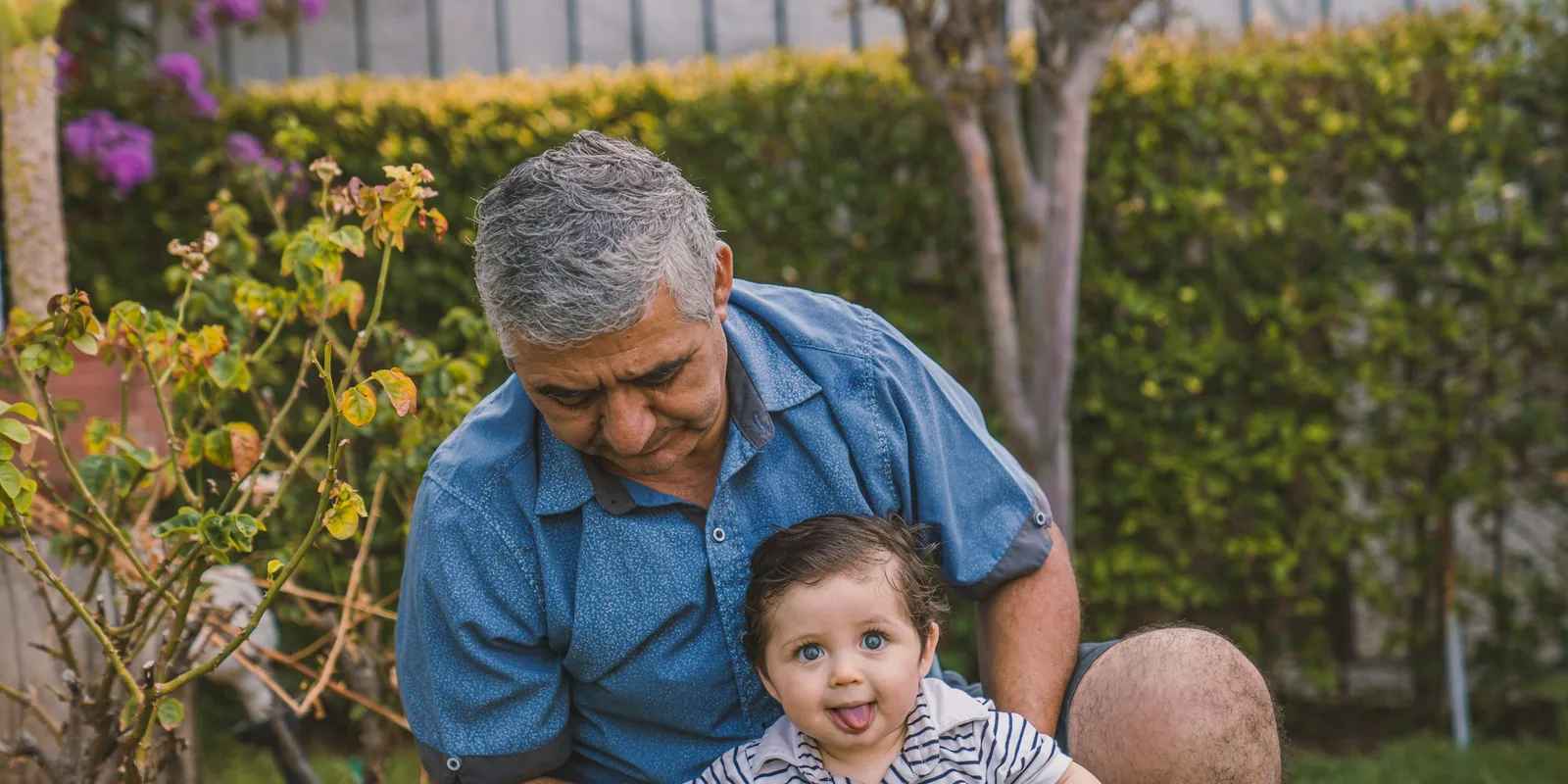
How to be a good grandparent: the golden rule, what not to do, what's changed since you were a parent, spoiling, discipline and staying fit to keep up.
Being a good grandparent mostly comes down to one rule: the parents' rules apply, even at your house. You're the extra pair of hands and the extra bit of patience, not a second set of parents. Below are the questions grandparents ask most, from that golden rule to what's changed since you raised your own children and how to stay fit enough to keep up.
Most of it is about grandchildren aged roughly 3 to 8, with a safety refresh for anyone about to look after a baby. If it's ideas for this afternoon you're after, start with our at-home ideas for things to do with grandchildren.
What is the golden rule of grandparenting?
The parents' rules are the rules, including at your house. Bedtimes, sweets, screens, how a "no" is handled: the parents decide, and you back them up, even where you'd have done it differently.
That doesn't mean your house has to feel like theirs. Plenty of families agree a few grandparent extras, such as a later bedtime at a sleepover or pudding before the walk home. The difference is that the extras are agreed with the parents first, not announced to the child.
Screens are where this is tested most often. Best Start in Life, the government's under-5 screen guidance, asks parents to "Set clear boundaries for when and where little brains use screens". A boundary that disappears at Grandma's isn't much of one, so ask what the screen rules are and keep to them. Our guide to cutting back screen time answers the question parents ask when grandparents allow more.
What should a grandparent not do?
Don't undermine the parents in front of the child. If you disagree, say so later, privately and once. The other common mistakes follow the same pattern:
- Advice nobody asked for. "In my day" is heard as criticism, however it's meant.
- Dropping in unannounced. Ring first, especially in the early months with a baby.
- Posting photos without asking. It's the parents' call where their child's face appears.
- Secrets from the parents. Surprises are lovely. "Don't tell Mummy" isn't a habit to start.
- Competing. With the other grandparents, with presents, or with the parents for the child's attention.
- Comparing grandchildren. Children hear more than adults think, so keep "the easy one" out of earshot, or better, out of the conversation.
None of these makes someone a bad grandparent. They're just the things that make the next visit harder to arrange.
What are the traits of a good grandparent?
Reliability comes first: being where you said you'd be, when you said. For a young child, a grandparent who always turns up is worth more than one who occasionally turns up with something big.
After that, the traits that matter most are ordinary ones:
- Patience at the child's pace. The puddle can take ten minutes. You're not in a rush, and that's a gift parents often can't give on a weekday.
- Curiosity. Asking a six-year-old to explain their game, and actually listening to all of it.
- Discretion. Keeping the parents' confidences and not passing on family news before they're ready.
- Enjoying the age they are now, rather than missing the baby they were or rushing them towards school.
- Knowing when to go home. Leaving while everyone is still happy is a skill.
For turning visits into a relationship, near or far, see how to bond with grandchildren.
What has changed since I had my own children, and what should new grandparents know?
Quite a lot of the safety advice, so it's worth a quick refresh before the first sleepover. The essentials:
- Sleep. The NHS advice on reducing the risk of sudden infant death syndrome is to always put a baby on their back to sleep, in the "feet-to-foot position", and to keep the cot clear: "do not use pillows, duvets, cot bumpers, loose blankets, soft toys". If you remember babies sleeping on their fronts or under a heavy blanket, that's changed.
- Car seats. Under GOV.UK's child car seat rules, "Children must normally use a child car seat until they're 12 years old or 135 centimetres tall, whichever comes first." If you'll be driving them, check what seat they need and how it fits your car.
- Food. The NHS list of foods to avoid giving babies and young children says no honey until a child is over 1 year old, no whole nuts for children under 5 because they can choke, and no slush ice drinks for children aged 7 and under.
- Screens. There is now UK guidance for under-5s. Under 2, it says to "Avoid screen time other than for shared activities with family that encourage bonding, interaction and conversation", such as video calls with family or looking at digital photo albums together. From 2 to 5, it says "Try to keep it to 1 hour a day. Less if possible."
When in doubt, ask the parents what their health visitor told them. It's the current advice, and asking shows you respect it.
Is it OK to spoil grandchildren?
With your time and attention, yes, as much as you like. With sugar and stuff, check with the parents first.
Sweets are where good intentions clash with house rules. The NHS advice on feeding babies and young children is that they don't need sugar, and that avoiding sugary snacks and drinks, including fruit juice, helps prevent tooth decay. A biscuit at Grandad's is unlikely to cause a row. A bag of sweets every visit, against the parents' wishes, probably will.
Presents work the same way. Agree a rough limit with the parents, especially at Christmas and birthdays, so your gift doesn't outshine theirs. Our gifts for grandchildren guide favours things you'll use together over things that cost a lot.
The spoiling children tend to value is the unhurried kind: the extra story, the long walk, the full attention.
Should grandparents discipline grandchildren?
Yes, in the sense of keeping the parents' rules when they're in your care, and in the parents' way. Ask how they handle things like hitting, refusing to leave the park or bedtime battles, and use the same words and the same consequences.
A house rule like "At Grandma's we take our shoes off" is easy to keep when it's said calmly and the same way every time. What causes trouble is a rule at yours that contradicts one at home, or a telling-off for something the parents allow.
If a grandchild's behaviour worries you, tell the parents what you saw, without a verdict. "He was really upset when I said no to the tablet" is useful. "You're too soft on him" isn't.
How can grandparents keep up with grandchildren?
Little and often, and including strength and balance, not just walking. The NHS guidelines for older adults, written for people aged 65 and over, suggest you "be physically active every day, even if it's just light activity" and to "do activities that improve strength, balance and flexibility on at least 2 days a week", alongside at least 150 minutes of moderate activity a week, or 75 minutes of vigorous activity if you're already active.
Strength and balance are what getting down to floor level and back up again take, and that's where young children spend most of their time. The NHS has simple balance exercises you can do at home, and suggests doing them "near a wall or a stable chair just in case you lose your balance". Sideways walking and heel-to-toe steps happen to look a lot like the games a five-year-old invents anyway.
If getting on the floor isn't for you, bring the game up to a chair or a table. The first idea in our grandchildren activities list is chair-led yoga, for exactly that reason.
Something you can both do on the floor
A shared activity that's good for both of you is the easiest way to make keeping up part of the visit rather than a chore. Simple yoga shapes work well: your grandchild leads, you copy, and nobody needs to be good at it.
Our yoga mats have 15 numbered poses laser-engraved into the surface. They're made for children aged 3 to 8, but at a full 183 x 61 cm they're long enough for a grandparent too, or you can roll out a second one alongside. Your grandchild calls out a number and you both find the shape.
When to speak to a GP, or get advice about a grandchild
For your own health: the NHS advice is to "Speak to a GP first if you have not exercised for some time, or if you have medical conditions or concerns" before starting anything new, including more active play.
For a grandchild's development: if something about how they move, talk or play worries you, mention it gently to the parents, who can raise it with their health visitor, GP or nursery. It's their conversation to have.
For a grandchild's safety: if you're ever worried that a child isn't safe, the NSPCC has advice on reporting a concern, including if you're not sure what to do.
Frequently asked questions
Should grandparents post photos of grandchildren online?
Only after asking the parents, every time it's somewhere new. Some families are happy with a private family group but not a public profile, and some would rather nothing went online at all. It's their decision to make, and it's much easier to ask first than to take a photo down after a difficult phone call.
How do I give advice to my son or daughter without upsetting them?
Wait to be asked, then keep it short. "That worked for us, but things have changed, so see what the health visitor says" lands far better than "In my day". If you're genuinely worried about something, say it once, privately, and then leave the decision with them. Repeating it rarely changes their mind.
What's the most useful thing new grandparents can do?
Ask what would help, then do that rather than what you'd like to do. In the early weeks that's often a meal on the doorstep, a load of washing or an hour so the parents can sleep, not holding the baby. Ring before you visit and keep the first visits short. The cuddles will come.
How do I get on with the other grandparents?
Treat them as part of the same team, not the competition. Avoid comparing presents, visits or how often the children mention you. If there's a family occasion, offer to share it or take turns. Children enjoy having more people who love them, and a friendly handover at the door makes every visit easier.