guides
How to Teach a Child to Ride a Bike: A Weekend Plan
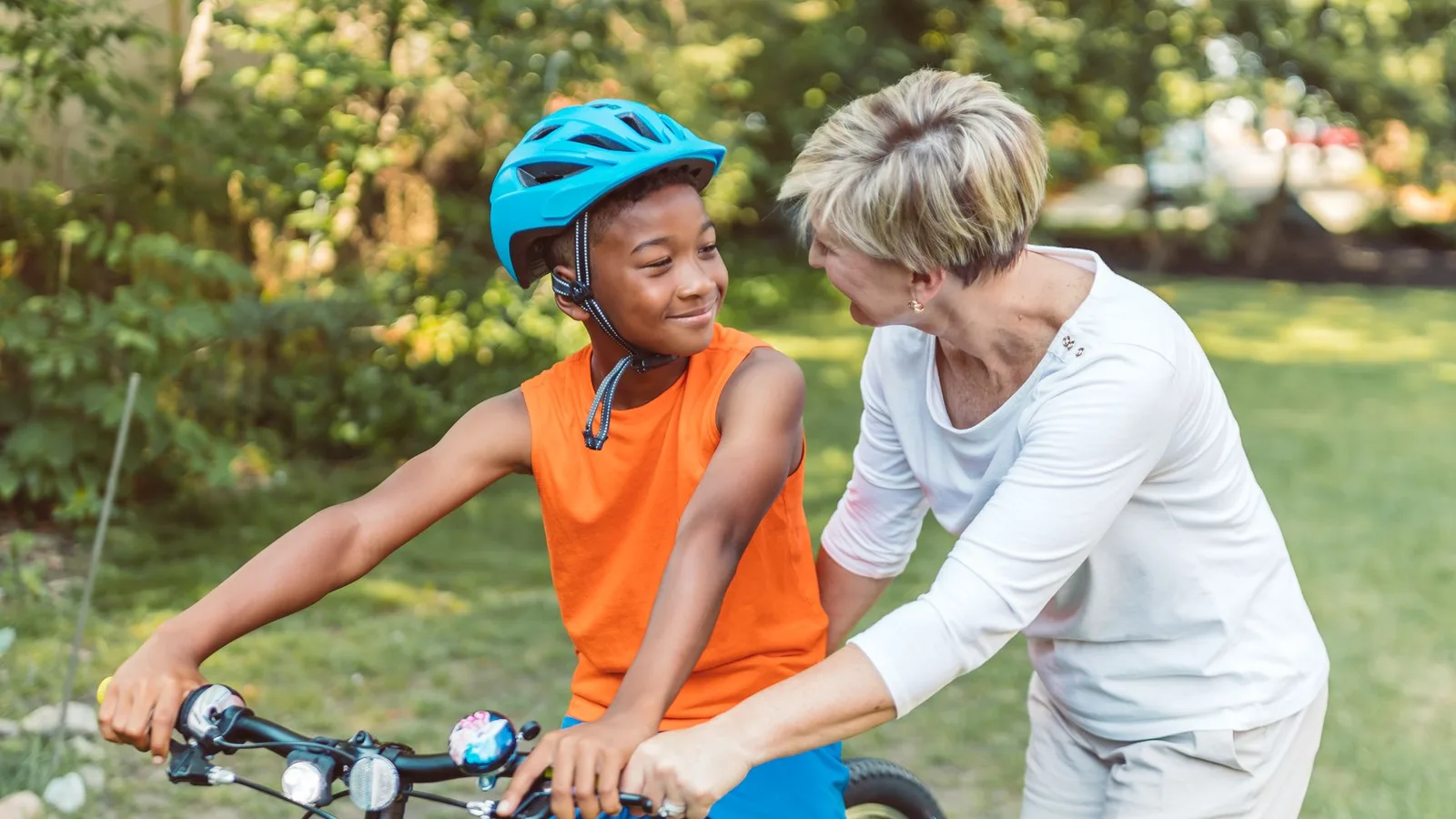
Learn how to teach a child to ride a bike with a balance-first weekend plan, clear steps for each day and help when confidence wobbles.
How do you get those first pedal strokes?
To teach a child to ride a bike, take off the pedals and stabilisers, lower the saddle, and practise scooting, gliding and braking before adding pedals. Choose a smooth, traffic-free space and let your child set the pace. This weekend plan follows Cycling UK's balance-first approach, with a second session that builds on whatever they can already do.
The weekend is a starting point. Each stage can take more than one outing.
Is your child ready, and where should you practise?
Start when your child wants to have a go. Newcastle Hospitals advises waiting until they're ready and choosing a quiet, open area with few distractions. Use smooth, level tarmac away from traffic: Cycling UK prefers a hard surface to grass for learning.
This plan uses a bike with hand brakes your child can reach and squeeze. Lower the saddle until both feet rest flat on the ground and check they can reach the handlebars comfortably, following the hospital's fit advice.
Before heading out, check the tyres, brakes and wheel fixings using Reading Borough Council's bike checklist.
RoSPA recommends a well-fitting helmet for children cycling. The straps should form a V below each ear and fit snugly beneath the chin.
What should you do on the first morning?
Before removing the pedals, an adult should note which belongs on each side: the left and right pedals thread in opposite directions. Ask a bike shop for help with removal or refitting if you're unsure. Keep the pedals off throughout this session. The aim is to make moving and stopping familiar before adding another job for their feet. These suggested timings allow up to 30 minutes, including pauses; leave earlier whenever your child has had enough.
1. Walk and brake: 5 minutes
Say, "Walk beside the bike, then gently squeeze both brakes to stop." Practise before they climb on, holding the brakes while mounting; if they grab sharply, try again at walking pace with a gentler squeeze, following Cycling UK's braking guidance.
2. Sit and scoot: 5 minutes
Say, "Sit on the saddle and walk the bike forwards with your feet." If they shuffle rather than stride, let that be the task for now; Newcastle Hospitals recommends scooting with the pedals removed before moving towards pedalling.
3. Let the feet float: 15 minutes
Say, "Push along, look ahead, then see if your feet can float." Give them pauses between attempts; if their feet keep landing, continue scooting rather than lifting them yourself, following Cycling UK's progression towards longer glides.
4. Stop, park and pause: 5 minutes
Say, "Squeeze the brakes, then feet down," repeating a controlled stop before walking the bike back. BCP Council's learning sequence puts braking before lowering a foot; finish by parking the bike and sitting quietly together, even if today was mostly walking.
What changes on the second morning?
Begin with the familiar scooting task, even if your child wants to pedal immediately. Use the first few minutes to decide what comes next. The plan below allows another 30 minutes, but repeating yesterday or finishing early are both options.
5. Check whether pedals belong today: 5 minutes
Ask for a glide and a controlled stop, then choose what comes next:
- Feet stay down for most of the way, What to do: Repeat the first morning's scooting
- Gliding several metres and stopping comfortably, What to do: Try adding pedals
- They ask to stop, What to do: Park the bike
Cycling UK's progression has children scoot the bike for several metres before adding pedals.
6. Set up the first pedal start: 10 minutes
An adult refits the pedals correctly. Say, "One foot down, the other pedal up and forwards; release the brakes, push down and find the second pedal." Somerset Road Safety describes this starting position; support their back and upper arm as Walk Wheel Cycle Trust shows, and reset if the second foot misses.
7. Link the pedal strokes: 10 minutes
Say, "Look ahead and keep the pedals turning," walking alongside and gradually easing your support as they manage the movement. Walk Wheel Cycle Trust recommends supporting the child; if they stop pedalling to look at you, pause and start again with a clear destination ahead.
8. Practise the finish: 5 minutes
Say, "Ride forwards, squeeze the brakes, feet down," and repeat short starts and stops. Add gentle turns only when straight riding is comfortable, following BCP Council's progression; let your child name something they'd like to try next time.
How long will learning actually take?
Allow several outings if needed. Cycling UK recommends short sessions and stopping before frustration or boredom takes over. Each morning here totals 30 minutes, including rests, with bike adjustments outside that time. Those are planning allowances, not a prediction of when your child will ride.
A shorter visit can end after scooting. There's no need to complete every step to call it practice.
What if they wobble, cry or refuse?
Stop the attempt and find out what they want next: another scoot, a pause or home. Keep your words small: "That felt wobbly. We can stop." Give them a choice you can honour, without bargaining for a final go.
- They stare at their feet: use the same "look ahead" cue from the routine.
- They pedal but wobble: return to gliding before adding more instructions.
- They don't want an audience: leave the cheering squad at home.
- They refuse tomorrow: offer another activity and leave the bike available for a later day.
For more ways to offer movement without a battle, see encouraging children to exercise.
If you're worried about balance in everyday activities, speak to your GP or health visitor, as Berkshire Healthcare advises.
How do you pick it up again next weekend?
Leave yourself a short note: what your child enjoyed, what they managed, and what to repeat. If another grown-up takes over, share the same starting point and words. For example: "Scooting felt comfortable; start there again." That's a suggested handover, not a scorecard.
Between outings, you could choose tree and dancer from our balance poses to try together as a separate indoor game. For those movement breaks between bike sessions, explore the Sun Salutation mat, with 15 numbered poses laser-engraved into its surface.
Frequently asked questions
Should a 7-year-old know how to ride a bike?
There's no need to treat 7 as a deadline. Bikeability says every child is different and offers training for all ages. Start with the skills your child has now, and ask a local provider about beginner support if learning together has become frustrating.
Do stabilisers help or hinder?
Stabilisers can get a child moving, but they don't teach independent balance. Cycling UK recommends learning balance before unaided pedalling. When taking stabilisers off, remove the pedals too and let your child scoot first, rather than expecting them to balance and pedal straight away.
What size bike does my child need?
Choose by your child's height, inside leg and a trial fit, rather than age alone. They need clearance when standing over the frame, and a beginner should reach the ground comfortably from the saddle. Cycling UK's sizing guide also recommends checking handlebar and brake-lever reach.
What is Bikeability?
Bikeability is England's government-backed cycle training programme. For a child who can't yet ride independently, ask a local provider about Learn to Ride or balance training. Check the course description before booking: beginners need different sessions from children already practising road skills.
Sources
- Cycling UK: Ditching your child's stabilisers
- Newcastle Hospitals NHS Foundation Trust: Bobby's bike skills
- Cycling UK: How to teach your child to ride a bike
- Reading Borough Council: Check your bike before you ride
- RoSPA: Which equipment does my child need to be safer while cycling?
- Cycling UK: How to teach your child to ride a balance bike
- BCP Council: Bikeability learn to ride
- Somerset Road Safety: Teaching the basics
- Walk Wheel Cycle Trust: Teach a child to ride without stabilisers
- Berkshire Healthcare NHS Foundation Trust: Postural control and balance issues in children
- Bikeability: Frequently asked questions
- Cycling UK: How to choose the right size bike for a child
- Bikeability: About the programme