guides
Children's Yoga Books: 10 Picture Books, Ages 3 to 8
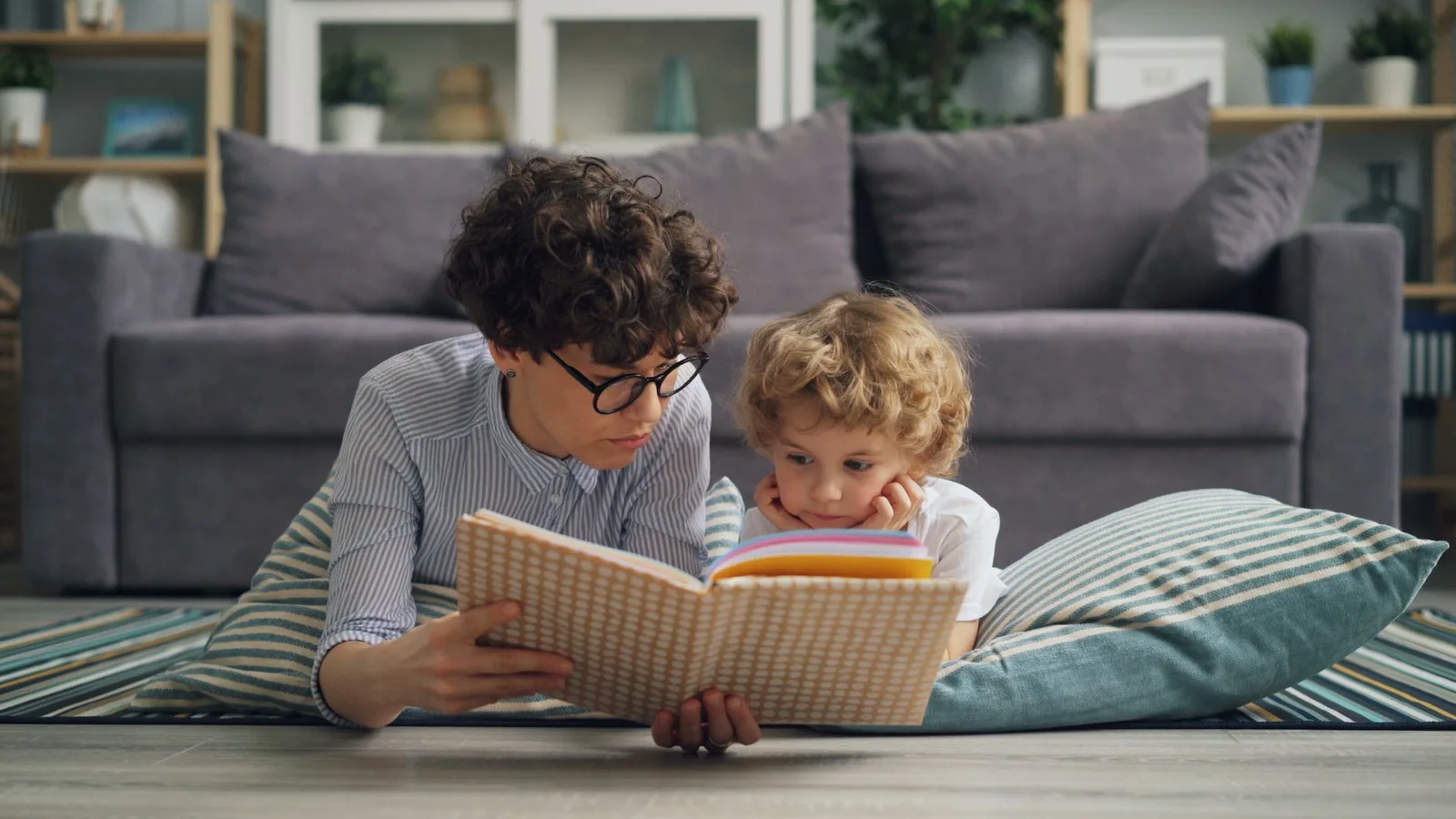
Choose children's yoga books for ages 3 to 8, with 10 picture books, UK price bands and simple ways to read a page and try a pose.
Which children's yoga books make a good gift?
Good children's yoga books pair pictures a child wants to explore with movements you can try together. Start with Yoga Babies for a nursery-age child, I Am Yoga for imaginative play, or My Daddy Is a Pretzel for a shared activity. These ten picks cover ages 3 to 8, with suggested ages, print formats and UK price bands.
If you're buying for a niece, grandson or party guest, start with what they already like. Animals, letters and make-believe give you different routes into the same activity. The National Literacy Trust identifies choice and existing interests as important reasons children want to read.
The age lines below are suggestions for sharing with a grown-up, not independent reading levels. Price bands refer to the print format named; check the edition and delivery estimate before ordering.
Which book will they want to open?
Choose by the kind of reading the child enjoys: spotting familiar scenes, copying a picture, following animal characters or working through a sequence together. Each entry includes a way to start. You can read the whole story first and save the movement for another visit.
1. Yoga Babies by Fearne Cotton
Illustrated by Sheena Dempsey, Yoga Babies shows young children trying poses at home, in the garden and before bed. Downward dog and butterfly are among the movements in the story.
Give it to a child who enjoys pictures of everyday family life. For the first read, invite them to choose a picture to talk about, then ask whether they'd like to try that movement. Let the story keep going if they'd rather listen.
Good for: ages 3 to 4. Under £10, paperback.
2. My First Yoga by DK
My First Yoga combines illustrations with photographs of children doing the movements. Cat stretch, downward dog and a sleepy sloth are among its animal-themed invitations.
Choose this board book for a child who likes looking at real people as well as drawn characters. Open it beside them and compare the photograph with the illustration before reading the instructions. You can revisit a favourite page without needing to pick up a plot where you left off.
Good for: age 3. Under £10, board book.
3. Yoga Tots: Brave Bear by Tessa Strickland
Illustrated by Estelí Meza, Yoga Tots: Brave Bear uses bear make-believe and step-by-step instructions for a short sequence. Its compact board-book format makes it a neat choice when you want the gift to be just a book.
Read the descriptive words, look at the picture and invite the child to join you. Pick this for a shared activity with clear prompts; choose Yoga Babies instead if you mainly want a family story to read aloud.
Good for: ages 3 to 4. Under £10, board book.
4. ABC Yoga by Christiane Engel
ABC Yoga pairs alphabet letters with animals, objects, rhymes and simplified yoga movements. Crocodile, fox and grasshopper are among the animals featured.
It's a useful choice for a child who already enjoys alphabet books and wants something to do with the pictures. Try finding the first letter of their name, then read that page together. On another visit, let them choose an animal instead. There's no need to work through the alphabet in order.
Good for: ages 3 to 6. Under £10, paperback.
5. Yoga Bunny by Brian Russo
Written and illustrated by Brian Russo, Yoga Bunny follows a rabbit who wants friends to join in. Lizard is tired, Fox is rushing and Bird has hiccups.
Choose it for someone who wants characters and a story alongside the yoga. Read it aloud first, then let the child decide which part they'd like to revisit. You could make different voices for the animals before looking at Bunny's movements together. That gives the book a place on the story shelf too.
Good for: ages 3 to 5. Under £10, board book.
6. Stretch by Rose Harkness
Illustrated by Kasia Nowowiejska, Stretch follows Raya the Red Panda, with movement examples in the corners of the pages. The opening shows Raya curled up asleep, then stretching after waking.
Choose this for a child who likes an animal adventure with something to copy as you go. Read Raya's part first, then look at the movement prompt together. You can make the first reading a picture hunt, finding Raya and the smaller demonstration on each page.
Good for: age 3. Under £10, hardback.
7. I Am Yoga by Susan Verde
Illustrated by Peter H. Reynolds, I Am Yoga connects yoga with imagined transformations, including an eagle, a star, a camel and a boat.
Choose it for a child who enjoys pretending to become something else. Read a page and ask what they notice in the picture before trying the movement together. Leave room for their own description of the scene. ABRAMS categorises the board-book edition for ages 0 to 3; its original hardback picture book is listed for ages 4 to 8. Check the format before buying.
Good for: age 3. Under £10, board book.
8. My Daddy Is a Pretzel by Baron Baptiste
Illustrated by Sophie Fatus, My Daddy Is a Pretzel links yoga postures with everyday situations and is designed for parents and children to share.
Pick it when the present includes time with a grown-up who wants to join in. Read the relevant instructions before trying a posture, then swap who chooses the next page. The title can also become a conversation starter: what does the shape remind you of? There's no need for the grown-up in that conversation to be Dad.
Good for: ages 4 to 8. Under £10, paperback.
9. Dinosaur Yoga by Mariam Gates
Illustrated by Matthew Rivera, Dinosaur Yoga brings prehistoric characters into a yoga sequence. It includes a guide to the postures for parents and a dinosaur glossary.
Choose it for a dinosaur enthusiast, then use the glossary as well as the story. An adult can check the posture guide while the child picks a favourite creature. Try reading first and moving afterwards if pausing on every page interrupts the adventure. Check the delivery estimate before choosing this hardback for a party present.
Good for: ages 4 to 8. £10 to £25, hardback.
10. Good Night Yoga by Mariam Gates
Illustrated by Sarah Jane Hinder, Good Night Yoga follows the natural world towards night, pairing its story with yoga postures. Clouds, a ladybird and a butterfly feature in the sequence.
Choose the hardback picture-book edition for this age range; there's also a board-book adaptation. Give it for the evening theme and the shared reading. You could explore the movements earlier in the day, then simply read the words in the evening. Let the family decide where it belongs in their routine.
Good for: ages 4 to 8. £10 to £25, hardback.
How do you choose without knowing their reading level?
Look at a sample spread and imagine sharing it aloud. Can you follow what happens, see the movement clearly and understand the instructions without hunting around? That's a more useful buying check than guessing how many words the child can read or how far through school they are.
Use these checks before paying:
- Match the interest. Choose dinosaurs for a dinosaur enthusiast, alphabet play for a child who enjoys letters, or familiar family scenes for someone who likes spotting everyday details.
- Check the edition. A board book and a hardback picture book can have the same title. Look at the format and preview, especially if the gift is for an older child.
- Check who'll join in. If you're offering a reading afternoon, pick something you'd enjoy sharing. If you're posting the present, choose instructions the receiving grown-up can follow.
A quick message asking what books the child already enjoys can settle the choice. If the family is new to the activity, our beginner's guide to children's yoga explains how to get started.
How do you turn the first read into a game?
Let the child choose the page, read it aloud and pause before inviting them to move. Keep the book open so you can look back together. BookTrust says you don't have to finish a book or read every word: talking about the pictures counts too.
For example, try this with an animal story:
- Find the character and read what's happening.
- Look at the movement instructions together.
- Invite the child to try it with you, or carry on listening.
- Return to the picture and let them choose whether to turn the page.
Keep it a shared reading, with room for questions and tangents. If a child wants to tell their own adventure afterwards, our yoga stories to tell together give you a starting point.
What should you check before trying the movements?
Read the movement instructions before inviting the child to join in. Look at the pictures and work through the page together, with the child choosing whether to take part. For children aged 5 to 8, NHS guidance advises exercise that suits their age, ability and experience, and starting new activity slowly.
Stop if a movement hurts or the child feels unwell, in line with NHS general exercise safety advice. If you have concerns about pain, an injury or whether the movements are suitable, speak to your GP or health visitor.
Keep the first attempt optional. Reading the story and turning the pages still counts as enjoying the gift. You can return to the movements another time.
What if they already have a shelf full of books?
Ask for a photo of the yoga titles they own, then choose a different kind of read. A child with a pose guide might enjoy a character-led story; someone with animal books might prefer alphabet play. Give the book with an invitation to share it, rather than adding more things.
For a birthday party, include a gift receipt and write your message in a separate card. That leaves the family free to exchange a duplicate. If the invitation says no presents, respect it and offer a reading visit another day.
Keep the message about enjoyment. Write that you thought they'd like the dinosaurs or the pictures, rather than suggesting the book will fix their behaviour. If yoga isn't their interest, our broader present ideas for children offer other directions.
Frequently asked questions
Which yoga book should I buy for a three-year-old?
Start with Yoga Tots: Brave Bear if you want a short sequence to try together, or Yoga Babies if you'd rather give a story. Brave Bear's published age range includes three-year-olds. Ask the parent which theme the child would enjoy, and choose that over a longer book bought for them to grow into.
Does a child need to read independently to use a yoga book?
No. You can read aloud while the child looks at the pictures, then pause when they want to try a movement. BookTrust explains that sharing books can simply mean talking about the pictures. Choose a book you would enjoy reading together, without turning the words or the poses into a test.
What's the difference between a yoga story and a pose guide?
A yoga story gives you characters and a reason to turn the page; a pose guide puts the movements first. Some books combine both. For your gift, decide whether the child would rather follow an adventure or choose a movement to try, then check the preview for the kind of instructions you want.
Can I give a yoga book without any extra equipment?
Yes. Give the book on its own and offer to read it together. You can enjoy the story and pictures before deciding whether to try any movements. A bookmark or a note suggesting a shared reading is enough to make it personal; you don't need to turn the present into a kit.
Put their chosen story beside a mat
For a book-and-mat gift, choose a children's yoga mat with 15 numbered poses laser-engraved into the surface. Ours is for ages 3 to 8 and costs £34.99, with free UK delivery. Add the book that matches their favourite animals or stories, then let them choose where the first shared reading begins.
Sources
- BookTrust: Supporting parents, carers and families
- National Literacy Trust: Book choice
- NHS: Physical activity guidelines for children and young people
- NHS: General exercise safety information on its yoga page
- Andersen Press: Yoga Babies
- DK: My First Yoga
- Barefoot Books: Yoga Tots: Brave Bear
- Quarto: ABC Yoga
- HarperCollins: Yoga Bunny activity sheet
- ABRAMS: I Am Yoga, board book
- Barefoot Books: My Daddy Is a Pretzel
- Macmillan: Dinosaur Yoga
- Macmillan: Good Night Yoga