guides
Shadow Puppets: Hand Shapes and Cut-Out Puppets
Make shadow puppets with six simple hand shapes, card cut-outs and a torch. A 20-minute family show, with clear steps and fixes for fuzzy shadows.
How do you make shadow puppets at home?
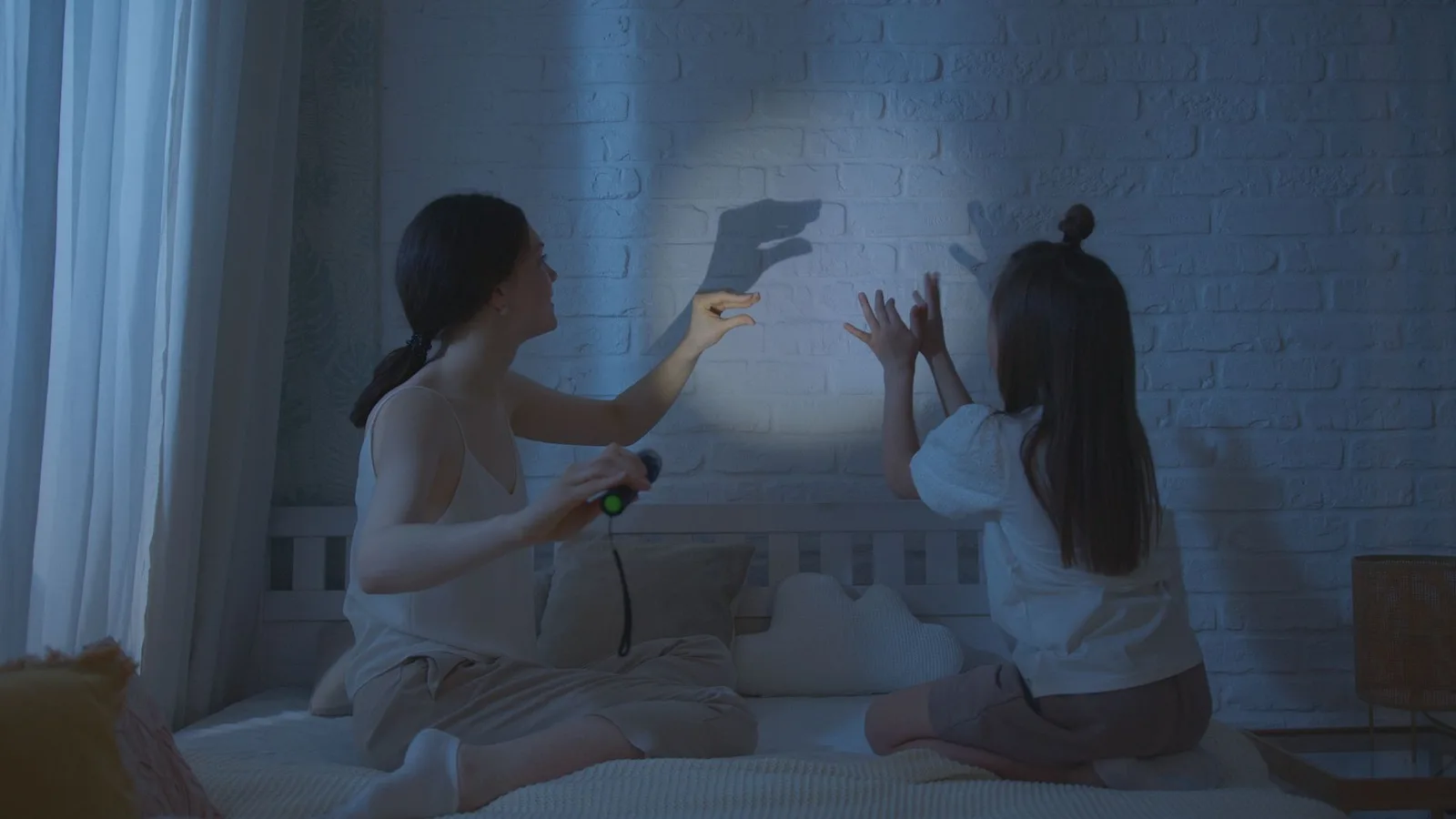
For a dark evening when you want something to do together, make shadow puppets by shining a torch at a pale wall and holding your hands between them. Start with a rabbit, then try the other animals below. Add a card character and a sheet screen if you fancy putting on a little show.
Your hands block the light, leaving a dark outline on the wall. That's the principle explained in The Ogden Trust's guide to shadows. You supply the hopping, snapping and silly voices.
What should you get ready before the lights go down?
Gather a battery torch, thick card, a pencil, scissors, sticky tape and a broad lolly stick. Keep a thin white sheet nearby if you want a theatre later. These are everyday versions of the materials in Makers of Imaginary Worlds' shadow play pack.
Point the torch at a plain wall and rest it securely on a table. Put your hands in the beam while keeping your body out of it.
A quick safety check: supervise scissors and put them away afterwards, as Scouts advises. If your torch uses button batteries, check the cover is secured by a screw and keep spares out of reach, following GOV.UK's battery advice. Leave small decorations out, particularly with under-3s nearby, because of choking risks.
When could you fit a show into the evening?
Try it after tea, before everyone starts getting ready for bed. Leave the room light on for drawing and cutting, then lower it for the performance. You're planning a little show, so allow room for chatting and laughing rather than asking for silence from the start.
If you only want hand shadows, leave the craft supplies in the cupboard. For an afternoon indoors, this can sit alongside our rainy day activities for kids.
How do you turn six hand shadows into a show?
Follow these six stages, with the kit ready before you begin. The rabbit, dog, butterfly and crocodile use simple hand shapes from Patch Theatre, and the bird and snail are traditional shapes. The timings are suggested slots, not a race.
1. Bring on the rabbit: 2 minutes
Make a fist, then raise your index and middle fingers for ears. Hold the shape in the beam, with the other fingers tucked away, and wiggle the ears.
Let your child watch the wall as they turn their wrist. If the ears merge into a single spike, turn back until you can see the gap. Give the rabbit a name.
2. Give the dog a voice: 2 minutes
Hold your palm towards the torch with your fingers pointing sideways. Curl your index finger in, bend your thumb and leave your middle and ring fingers pointing forwards. Move your little finger as the lower jaw.
If the result looks more like a duck, let it quack before trying again. The moving mouth gives you something to play with immediately.
3. Fly a bird, then flutter a butterfly: 4 minutes
For the bird, overlap your thumbs to suggest a head and spread your hands sideways as wings. Flap your hands slowly.
For the butterfly, hook your thumbs together, spread your fingers and flutter them. Try angling the fingers upwards to change the outline. If both creatures look alike, give the bird broad wingbeats and the butterfly tiny flutters.
4. Let a snail meet a crocodile: 4 minutes
For the snail, hold a hand sideways and lift your index and middle fingers as eye stalks. Rest your other fist on that wrist for the shell. Slide the whole shape along slowly.
For the crocodile, stack your hands horizontally, fingertips pointing forwards, and open and close them like jaws. Let your child decide what it eats. An imaginary sandwich gives you plenty of snapping without chasing the snail.
5. Add a card character and a screen: 5 minutes
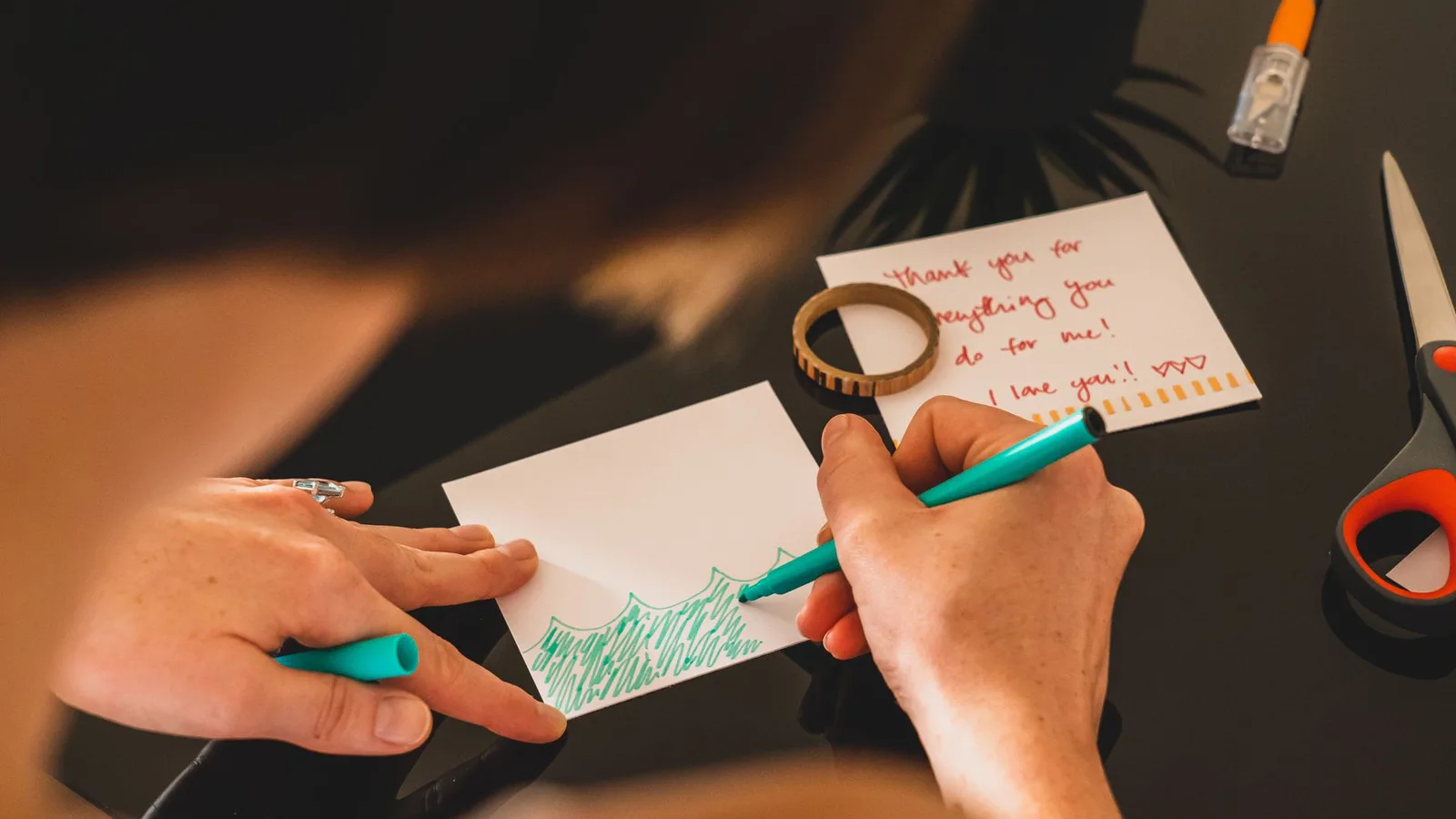
Draw a broad, simple outline on card, perhaps a round creature with long ears. Cut it out and tape the lolly stick to the back. Skip drawn details: the audience sees the silhouette.
For a theatre, have adults hold up the sheet. Arrange everything in this order: torch, puppet, sheet, audience, following the Scouts theatre setup. Otherwise, keep using the wall.
If your child wants elaborate decorations, save those for another session and let this character make its entrance.
6. Perform a tiny story, then pause: 3 minutes
Choose a beginning, a problem and an ending. For example: the rabbit finds a sandwich, the crocodile asks for a bite, and they share it.
Let your child supply the dialogue, including any unexpected ending. Finish by holding the final shadow still, then lower the puppets and rest your hands in your laps.
Is twenty minutes enough?
The suggested slots add up to 20 minutes: 2, 2, 4, 4, 5 and 3. That's a plan for trying the shapes and making a simple puppet with materials already gathered. Detailed cutting or repeat performances need extra time.
Only have a couple of minutes? Make the rabbit, let it say something ridiculous and stop there. You don't owe the wall a full production.
What if the shadows look wrong or your child loses interest?
Adjust the light or change the job before starting again. A hand shape can become a character even when nobody agrees which animal it is. Your child can also tell the story while you make the shapes, or simply watch until they want a turn.
- Fuzzy edges: move your hands away from the torch and towards the wall. NUSTEM explains that moving an object away from the light makes its shadow smaller and sharper.
- A body-shaped blob: move your shoulders out of the beam and reach in from the side.
- Too much fiddling: swap the hand shape for the card puppet.
- The room feels too dark: turn the light up and let your child choose whether to continue.
- Nobody wants to perform: make it a guessing game, with no audience or script.
How can you make the next show easier to start?
Keep the card characters flat in an envelope and leave the drawing supplies together. Next time, let your child choose between using the old cast and making a newcomer. Start with whichever hand shape they enjoyed, even if it still looks nothing like its name.
After a gap, begin with the rabbit again. There's no sequence to remember. For something different on another evening, our winter activities for young children include more indoor ideas.
For your next animal story, swap hand shadows for floor poses and explore Yogi-Me's mats. Freedom Flow has 15 numbered poses laser-engraved into the surface, in a sequence that's mostly on the floor.
Frequently asked questions
What materials do you need to make shadow puppets?
Start with a torch and a plain wall for hand shadows. To make card puppets, add thick card, a pencil, scissors, tape and a lolly stick. Keep a white sheet nearby if you'd like to put on a show behind a screen.
What story can you tell with shadow puppets?
Give your characters something small to sort out: a lost hat, a blocked path or a sandwich to share. Let your child decide what happens next. You can supply the shadows while they supply the voices, then swap jobs if they want a turn.
How do you make a shadow puppet bigger or smaller?
Keep the torch and wall still. Bring the puppet towards the torch to enlarge its shadow, then towards the wall to shrink it. Try making a rabbit grow into a giant. Move only the puppet so you can spot what changes.
Do you need black card for shadow puppets?
No. Use card that blocks the light: hold a scrap in the torch beam and check for a solid shadow. Cereal-box card is worth trying before buying anything. Draw a clear outline, cut around it and test the shape on the wall.