guides
How to Make Oobleck: Recipe, Science and Clean-Up
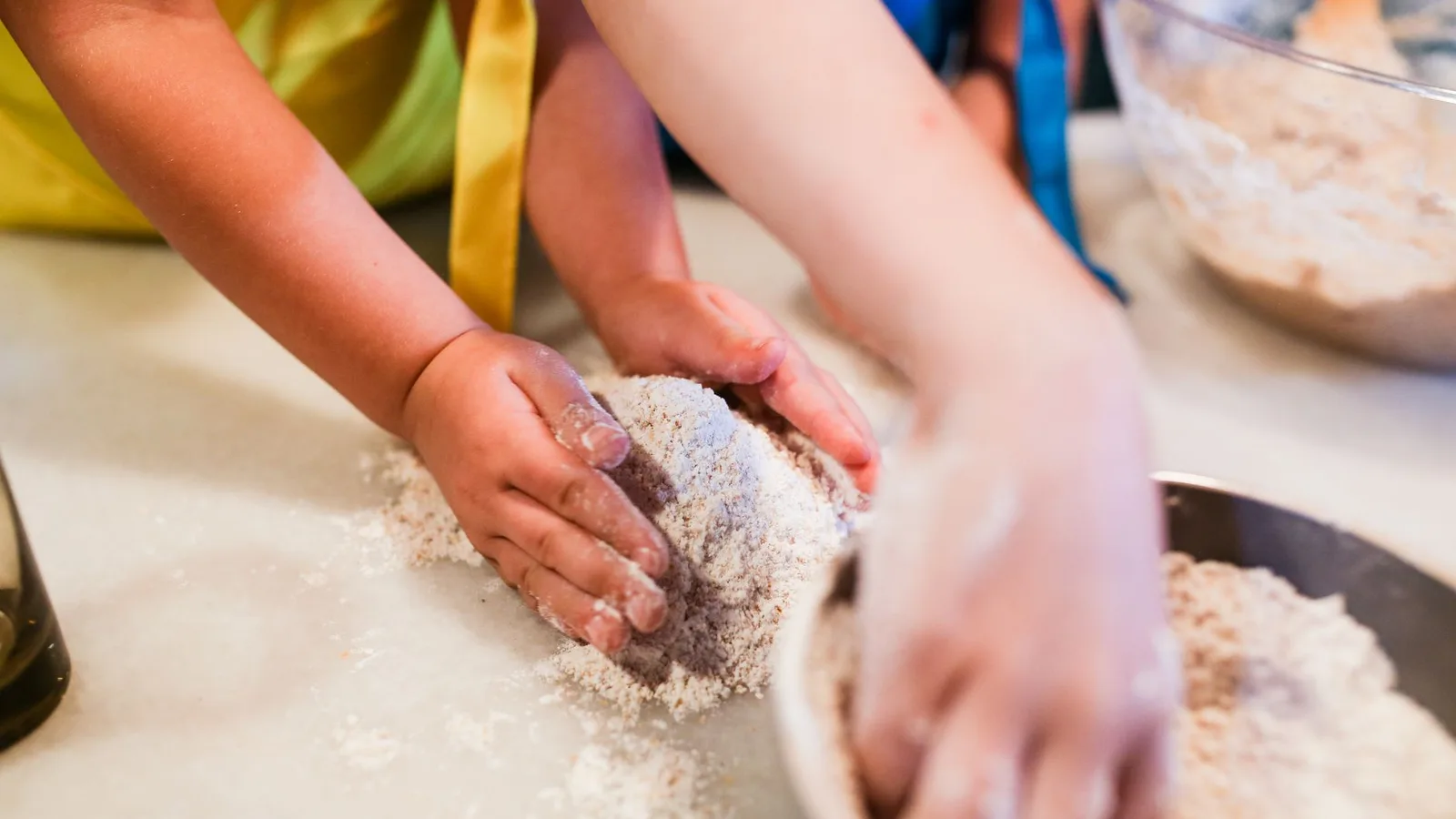
Make oobleck with cornflour and water: an easy recipe, six steps, simple science, fixes for runny mixtures and clean-up that keeps it out of the sink.
How do you make oobleck?
To make oobleck, mix 2 parts cornflour with about 1 part water by volume, adding the water gradually. Aim for a mixture that feels firm when squeezed but flows when you relax your hand. Start with 2 cups of cornflour and 1 cup of water, then adjust the texture. The Science and Technology Facilities Council gives these quantities.
Gather:
- 2 cups of cornflour, plus a little extra for adjustments.
- 1 cup of cold water, added gradually.
- A large bowl, spoon and shallow tray.
- Kitchen paper and a cloth for tidying.
- Paper and a pencil if you want to record guesses and observations.
Use the same cup for both ingredients. These are volume measurements, so don't replace the cups with equal numbers of grams.
When should you get the bowl out?
Allow about 20 minutes, including tidying. The suggested timings below give you 15 minutes to mix and investigate, followed by 5 minutes to clear up. Choose a moment when you can stay at the table together, with the tray ready before the packet comes out.
Glasgow Science Centre suggests this activity for ages 3 and over with adult supervision. Check ingredients against any known allergies, following its activity precautions. Keep the mixture out of mouths: the Nanoscale Informal Science Education Network's guide says it shouldn't be eaten.
What do you do with the cornflour and water?
Follow these six steps, letting your child do the pouring, guessing or watching as they prefer. The timings are a loose plan, so borrow time from a later test if mixing takes longer. Keep everything over the tray, including hands lifted out of the bowl.
1. Measure into the bowl, 2 minutes
Say, "Fill this cup with cornflour, tip it in, then do it again."
Let your child count the cupfuls while you steady the bowl. Measure the water separately and keep it beside you. If they want to pour everything in immediately, give them the spoon first and explain that the water is coming in little splashes.
2. Add the water slowly, 4 minutes
Say, "Pour a little water in, then stir slowly."
Work around the bowl, mixing the dry patches before adding more. Your child may find the spoon catches and want to stir harder; try slower movements together. Stop adding water when you have a thick, flowing mixture. British Science Week's method also adds water gradually.
3. Check the texture, 2 minutes
Say, "Move the spoon slowly through it, then give the surface a quick tap."
Look for the difference between easy movement and resistance. If your child announces that it's just watery flour, use the fixes below before continuing.
4. Squeeze, then open your hand, 3 minutes
Say, "Scoop some up, squeeze it into a ball, then open your hand over the bowl."
The ball should lose its shape when you stop squeezing, as Cambridge University Hospitals describes in its cornflour activity. Your child might laugh when their ball escapes. Repeat the squeeze and release.
5. Compare slow and quick movements, 3 minutes
Say, "What do you think will happen if we move the same spoon faster?"
Try a slow sweep followed by a quicker stir, keeping the bowl steady. Your child can guess first, then describe what actually happened. On paper, make columns headed "My guess" and "What happened". Drawing a spoon and a puddle is enough.
6. Put the spoon down and watch, 1 minute
Say, "Hands out. Let's see what it does when we leave it alone."
Watch the ridges left by the spoon settle back into the mixture. Your child may want another poke; save that for a repeat rather than adding more ingredients. End with the bowl still and hands resting, ready to tidy together.
How can you explain the science to a child?
Oobleck contains starch particles suspended in water, rather than dissolved in it. Sudden force makes those particles resist movement together, so the mixture feels firm; gentle movement lets it flow. That's the behaviour described in Newcastle University's explanation of oobleck.
Try these two sentences aloud: "Tiny bits of starch can slide past each other in water. Squeeze or tap quickly and they get in each other's way, so the mixture feels hard."
Oobleck is a type of non-Newtonian fluid. Your child can show the difference with the spoon before learning the term.
What if it stays watery or your child won't touch it?
Adjust the mixture before starting again. Newcastle University recommends more cornflour for a runny mixture and more water for a solid one. Change a little at a time, then repeat the slow stir and quick tap so you can judge the effect.
- It runs freely even when squeezed, What to try: Add a little cornflour and mix slowly.
- It crumbles and won't flow, What to try: Add a small splash of water and mix again.
- The spoon catches when stirred quickly, What to try: Slow down and compare. Resistance is part of the experiment.
If your child dislikes the feel, offer a spoon or let them watch. Cambridge University Hospitals advises against forcing hands into a mixture. For another option, our activities for four-year-olds include different kinds of play.
How do you clear up without blocking the sink?
Scoop the mixture into a bag for the bin, then wipe the bowl, spoon and tray with kitchen paper before washing them. The Science and Technology Facilities Council specifically says to bin oobleck rather than pour it down the drain. Don't try to flush the whole batch away.
Remove the bulk from hands over the tray, then wash them. Dry crumbs can be swept up, according to the Science Museum Group's activity sheet. Finish with a damp cloth across the table.
How can you make the next rainy afternoon easier?
Keep the clean bowl, cup and spoon together, and jot down which texture worked. Next time, repeat the same experiment and let your child choose the test. You don't need a larger batch or extra ingredients to have another go.
If they've had enough of gloop, choose something different from our rainy day activities for children.
For movement after the table is cleared, explore our children's yoga mat. It has 15 numbered poses laser-engraved into the surface, ready for a different kind of indoor activity.
Frequently asked questions
Is oobleck a solid or a liquid?
Oobleck is a suspension of solid starch particles in water. It flows when handled gently but can behave like a solid under a sudden force. Scientists call it a non-Newtonian fluid. The change is temporary: let go of a squeezed handful and it starts to flow again.
Can you eat oobleck?
No, keep oobleck as an experiment rather than a snack. The Nanoscale Informal Science Education Network advises that participants should not consume it. Using kitchen ingredients doesn't make the finished play mixture food. Put snacks aside during the activity and wash your hands before eating.
Why is my oobleck too runny or too hard?
Runny oobleck needs a little more cornflour; a dry, crumbly mixture needs a little more water. Stir slowly after each addition, then try squeezing and releasing a small handful. Aim for a mixture that firms under pressure and flows when released, rather than judging by appearance alone.
Can oobleck go down the sink?
No. Oobleck can block the sink, so put the mixture in the bin instead. Scrape the bulk out of the bowl and wipe away the remaining coating before washing up. Keep the experiment in a tray so you can collect stray blobs as well as the main batch.
Sources
- Science and Technology Facilities Council: STEM Careers Challenge
- Glasgow Science Centre: Glorious Goo
- Glasgow Science Centre: Make your own Glorious Goo
- British Science Week: Oobleck slime activity
- Cambridge University Hospitals: Messy play
- Newcastle University: Slime science activity
- Science Museum Group: Oozing Oobleck
- Nanoscale Informal Science Education Network: Oobleck activity guide