guides
Open-Ended Play: What It Is, With 20 Examples
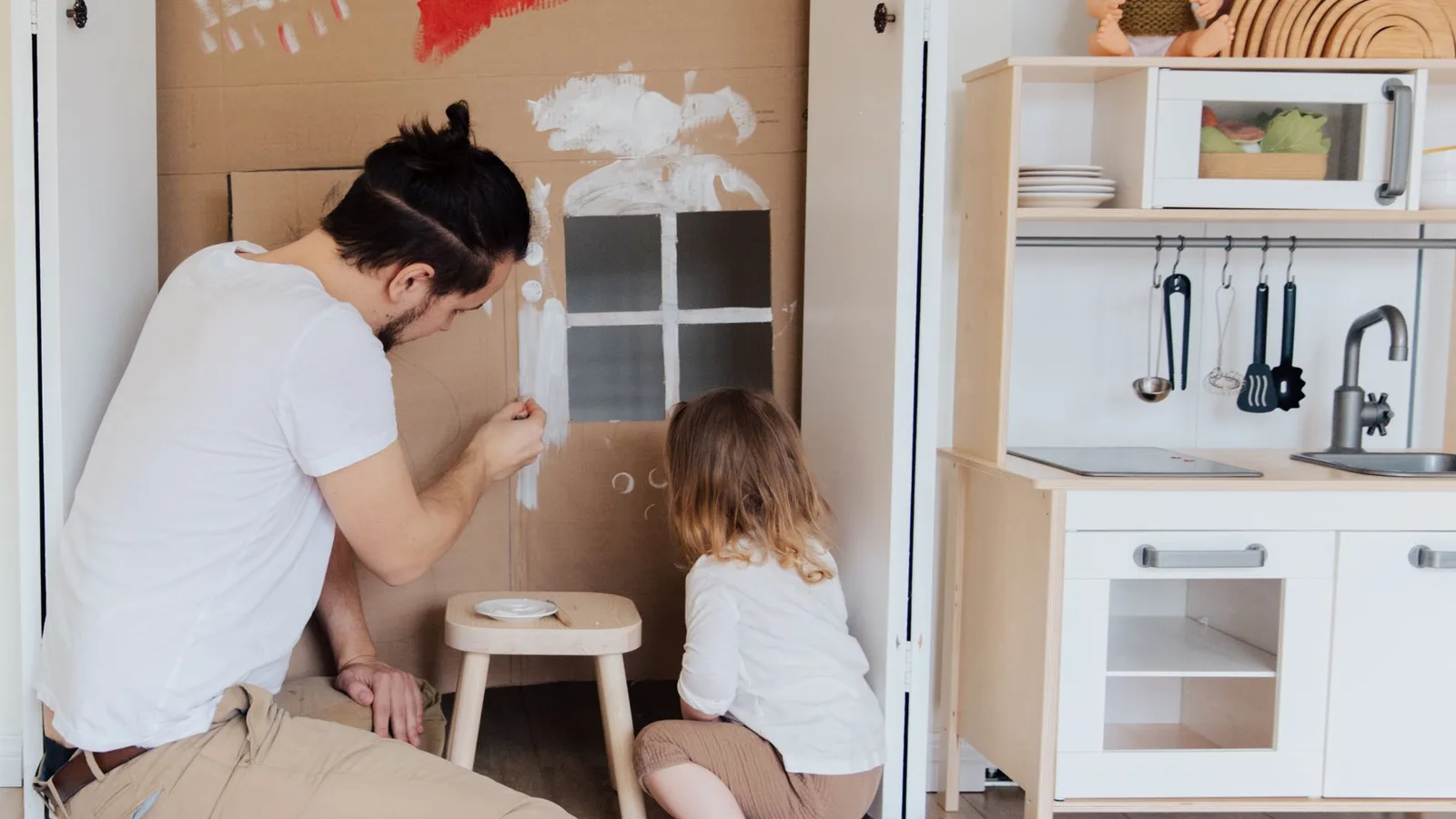
Discover what open ended play means, try 20 ideas using things you already own, and learn how to spot a flexible toy without replacing the toy box.
What is open-ended play?
Open-ended play is play where your child chooses what happens, without a fixed result to copy or a right answer to reach. A box might become a boat, a shop or simply something to fill and empty. You can join in, and you don't need special toys: the key is leaving your child room to change the plan.
Why leave the result up to your child?
Give your child materials without choosing the finished result. The Department for Education, which covers education in England, recommends materials children can choose how to use and says creative exploration supports imagination and thinking. That might mean drawing, building, making sounds or pretending.
The Department for Education's guidance on imagination and creativity asks adults to focus on the experience and welcome results they hadn't expected. You don't need to turn that into a lesson plan at home.
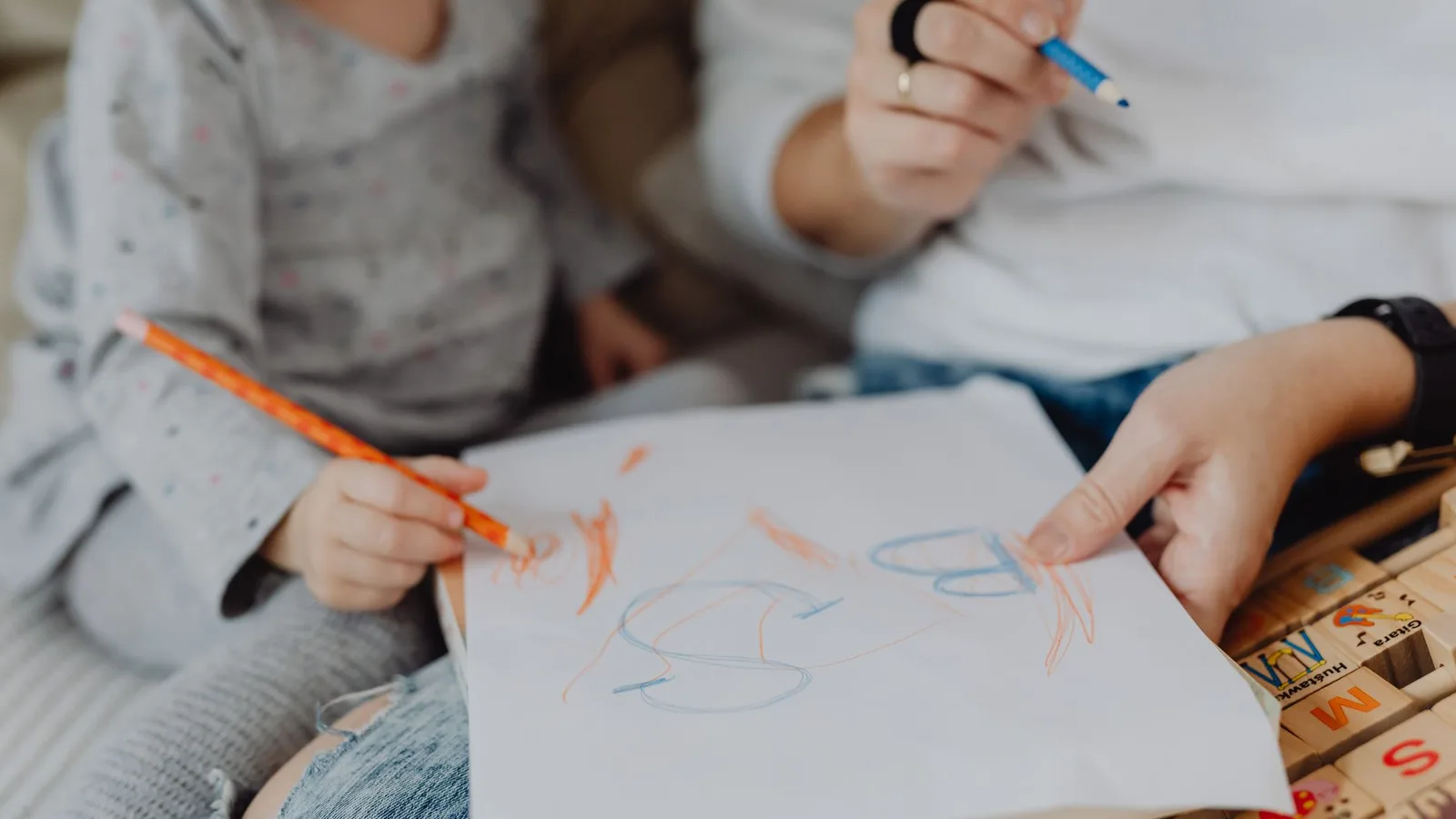
For example, put out paper and crayons without showing a finished picture. Your child might draw a map, cover the page with marks or make tickets for an imaginary train. You can help with a tricky fold without deciding where the train goes.
The NHS suggests using things you already have and getting involved yourself. An empty carton and a willing customer can be the starting point for a pretend shop.
Keep the puzzles and board games, too. A jigsaw has a finished picture; a box of blocks can become whatever your child chooses. Offer both. There's no need to replace a favourite activity just because you've learnt a new name for another kind of play.
Which 20 ideas can you try at home?
Choose an idea that fits the space and materials you have today. These are suggested beginnings, so let your child change the setting, combine ideas or use the objects differently. Put out one activity first; you don't need to arrange the whole list around the room.
A quick safety check: the Child Accident Prevention Trust advises checking age warnings and loose parts, and highlights risks from small parts, accessible button batteries, strong magnets and long cords, especially for under-3s. Keep those out of reach, including when younger siblings join. The NHS also advises checking for sharp edges and never leaving a young child alone with water.
- A box with no job yet. Offer an empty cardboard box. It could become a parcel office, spaceship or animal home, with your child deciding what happens inside.
- Blocks without a picture. Put out six large building blocks. Let your child stack, line up or rearrange them without asking for a particular building.
- A cup landscape. Offer four empty plastic cups. They might become towers, little houses or containers for imaginary treasure. Leave the arrangement to your child.
- A cloth world. Spread out two tea towels. Your child can make them into fields, a sea or beds for toys, then change the landscape.
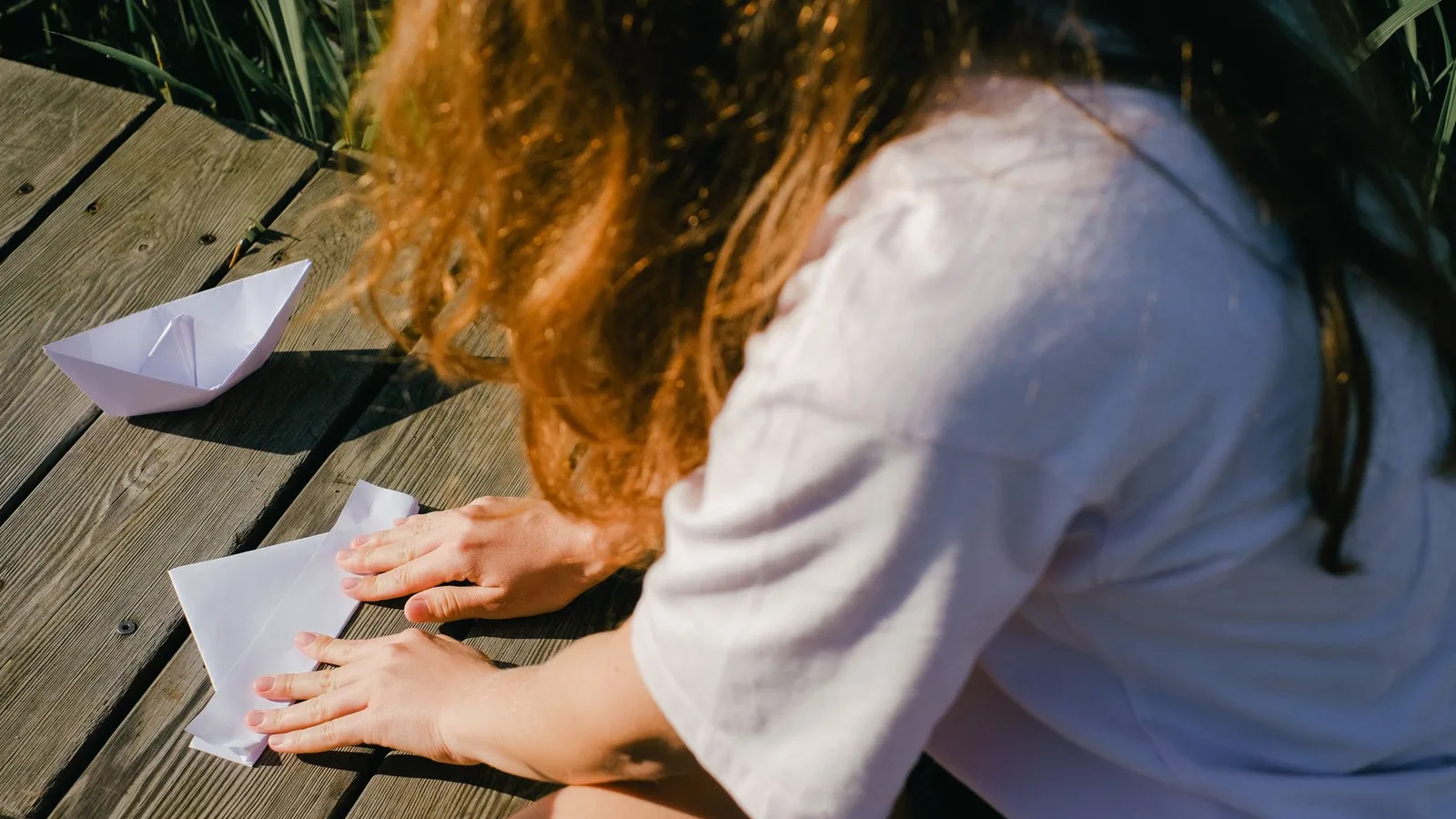
- Paper roads. Tear paper into wide strips. Let your child arrange roads across the floor and decide where they lead, including any unlikely destinations.
- A carton invention. Set out empty cereal cartons and masking tape. Ask what they could become, then help with the sticking when your child asks.
- Drawing without a subject. Offer plain paper and crayons. Leave out colouring sheets and finished examples, and let your child decide what belongs on the page.
- A scribble swap. Each draw a mark on paper, then swap sheets. Turn the other person's mark into anything you like, with no guessing test afterwards.
- Shapes that change their minds. Draw a circle, square and triangle. Invite your child to add marks around them: perhaps the triangle becomes a mountain or a hat.
- A tabletop town. Gather a few empty cartons. Your child decides what each building is, who lives there and whether the town needs another street.
- A story with toy figures. Offer two existing figures and an empty box. Let your child choose who's arriving, where they've been and what happens next.
- A teddy expedition. Put a teddy beside an empty basket. Your child can plan its destination, pack imaginary supplies and tell you about the journey.
- A character wardrobe. Offer a hat and a waistcoat. Let your child invent the wearer, including their job, voice and reasons for visiting your kitchen.
- Sock conversations. Put clean socks on your hands as puppets. Your child chooses their names and what they want to talk about. No sewn-on eyes needed.
- An imaginary cafe. Set out a bowl, plate and wooden spoon. Be the customer while your child chooses the menu, including dishes nobody could really cook.
- A sound studio. Offer two unbreakable tubs and a wooden spoon. Your child can invent rhythms, arrange a performance or ask you to join the band.
- Dough with no moulds. Offer age-appropriate playdough after checking the manufacturer's ingredients for allergens such as wheat. Avoid ingredients your child is allergic to, and supervise to keep the dough out of mouths. Let your child squash, roll and reshape it without needing to produce a recognisable animal or object.
- Pouring experiments. With you beside them, offer water in a bowl and two unbreakable cups. Let your child choose what to fill, empty or compare.
- Daylight shadow stories. Use daylight to make hand shadows on a wall. Your child can name the characters and decide what they're saying to each other.
- An invented journey. Choose an imaginary destination together. Your child decides how to travel there: tiny steps across the moon, perhaps, or stomping through pretend pudding.
For a different starting point, browse these activities for four-year-olds at home.
How can you recognise an open-ended toy in a shop?
Look at the decisions the toy leaves to your child. Can they build something different, invent a character or change the game? An open-ended toy doesn't have to be wooden, beige or sold as educational. Judge the possibilities you can see, alongside the age guidance, rather than the label.
Try this shelf check:
- Imagine different uses. Could the pieces become a tower, a road and a pretend meal?
- Look beyond the demonstration. After copying the picture on the box, could your child dismantle it and make something else?
- Picture it with existing toys. Could it join the blocks, figures or dressing-up things already at home?
- Check the practical fit. Decide where you'll store it and whether you're willing to deal with its pieces.
A talking toy that plays a set phrase has a fixed response to that button. It could still become a passenger in a pretend bus. You don't have to sort every possession into a good or bad pile.
If you're buying a present, our ideas for presents that get played with offer a broader shortlist.
How can you join in without taking over?
Join as a helper or a character, and let your child keep the main decisions. You might hold a carton while they attach something, take an order in their cafe or supply a puppet's voice. Ask what your job is before adding your own plot.
If they want you to start, offer a small beginning. For example: put a teddy beside the box and ask where it should go. Once your child has an idea, follow that direction, even if the teddy stays home.
You can also set household boundaries. Paper can stay on the table; the carton town can occupy a tray; paint can wait for a day when you're willing to get it out. Choosing the available materials doesn't mean you need to choose the finished result.
Open-ended doesn't mean independent. Your child can direct a game while you're involved throughout. If playing with less adult input is your separate aim, try our guide to encouraging independent play.
For pretend journeys with a movement option, explore our children's yoga mat. Yogi-Me's mat is for ages 3 to 8, with 15 numbered poses laser-engraved into its surface. It measures 183 x 61 cm, full length so adults can use it too. In an invented story, it could mark an island, boat or stage on the floor.
When should you ask for help with a play concern?
If you're worried about your child's development, speak to your GP or health visitor. The NHS says you can raise concerns between scheduled development reviews, so you don't need to save a worry for an appointment that's already in the diary. Describe what you've noticed in everyday life.
You could note which activities your child chooses, what they find difficult and what help they ask for. If they attend nursery or school, ask what staff notice there, too. Use this list as a source of ideas, rather than a test to work through.
Frequently asked questions
What are open-ended toys?
Open-ended toys are things children can use in different ways, without having to reach a set result. Blocks might become buildings, pretend food or a boundary around a toy village. The useful question is what your child can choose to do with the object, rather than what its packaging calls it.
What is the difference between open-ended and closed-ended play?
Open-ended play leaves the result undecided: your child might build anything with a pile of blocks. Closed-ended play has a defined finish, such as completing a jigsaw or following instructions to make a particular model. You can keep both in the toy box and offer either without turning play into a competition.
Does open-ended play mean playing alone?
No. Open-ended describes how much choice there is in the activity, while independent play describes who is taking part. You can join an imaginary cafe as a customer while your child decides the menu. Equally, a child completing a puzzle alone is playing independently, even though the puzzle has a fixed answer.
How can you start open-ended play without buying anything?
Put a cardboard box, some paper and a few crayons on the floor or table, then let your child decide what to make. If they want a suggestion, offer a possible beginning, such as a parcel office, and let them change it. There's no finished example to copy.