practice
Five Finger Breathing for Kids: A Simple Hand Routine
Try 5 finger breathing with your child: clear hand-tracing steps, a paper-star alternative and practical tips for home or the classroom.
How do you do 5 finger breathing?
5 finger breathing means tracing around one hand with a finger from the other, breathing in as you travel up each finger and out as you come down. Humber's NHS breathing cards show this pattern. Work from thumb to little finger, then rest your hands; you don't need any equipment.
Try it in the quiet gap after hanging up the school coats, before everyone heads off to play. For other approaches, see our breathing exercises for children.
When should you teach the hand pattern?
Teach it while your child is settled and willing to join in. Children and Family Health Devon recommends practising coping strategies when children are calm. Save the first lesson for an ordinary moment together; if they're already overwhelmed, leave the instructions for later and offer your company.
What do you say at each step?
Sit together comfortably and demonstrate on your own hand. Keep breaths gentle and unforced, following NHS breathing guidance; there's no need for huge gulps or a breath-holding challenge. The words below are prompts to say aloud, with space between them for your child to have a go.
1. Open your hand
"Spread your fingers and find the bottom of your thumb with your other pointing finger."
Let your child choose which hand to trace and whether to hold it up or rest it on the table.
2. Travel up the thumb
"Slide slowly up your thumb while you breathe in."
Move your own pointing finger from the base to the tip. If your child races ahead, demonstrate again at an easy pace. Keep the movement light and let their breath set the pace. You can point to the thumb tip before beginning if they aren't sure where to stop.
3. Come down the other side
"Now slide down your thumb while you breathe out."
Finish in the dip between thumb and pointing finger. If your child heads back towards their wrist, show the route across towards the next finger. You can call each dip a valley. Keep your spoken cue short, then leave room for the out-breath instead of talking all the way through it.
4. Follow the remaining fingers
"Up and in, down and out, until you reach your little finger."
Continue around the pointing, middle, ring and little fingers. For a visual guide, use the printable YPAS hand-tracing sheet. If your child skips a finger or loses their place, carry on from wherever they are. You can do the counting quietly; they only need to follow the route.
5. Rest your hands
"Let your hands rest in your lap. We'll sit quietly for a moment."
Let the tracing finish and leave some silence. If your child immediately wants to tell you something, listen; there's no need to insist on a particular feeling afterwards. End with that shared pause, without asking them to prove they're calm or awarding marks for keeping still.
How long should a round take?
A round lasts for five comfortable breaths, plus the short pause afterwards. Let the breathing set the pace: you don't need to stretch it to fill a minute.
Stop at the little finger and rest. Another round is an invitation, never a requirement.
Could you try star breathing instead?
Yes. Draw the outline of a large five-pointed star and follow its outside edge. Breathe in from an inward corner towards a point, then out towards the next inward corner. Leeds Teaching Hospitals includes this alternating in-and-out star pattern among its breathing activities for children.
Use this option if your child would rather trace paper. Add a starting dot and arrows; leave out crossing lines inside the star.
What if your child refuses or gets the giggles?
Let them watch, laugh or leave it. You can finish your own hand without turning their participation into a negotiation. If tracing feels tickly, use the paper star; if the whole idea annoys them, put it aside. Our grounding activities for children offer other things to try.
If worries persist or interfere with everyday life, speak to your GP or health visitor. West Yorkshire's NHS advice recommends seeking support when you're concerned and things aren't improving.
Where could hand breathing fit each day?
Choose an ordinary cue, such as putting school bags away, and offer the hand pattern then. The NHS recommends regular practice for breathing exercises. After a gap, demonstrate again without trying to make up missed sessions.
For a classroom, try this invitation before a story: "You can trace your hand with me, or sit and watch." Demonstrate where everyone can see, let children follow their own pace, then rest hands before beginning the book.
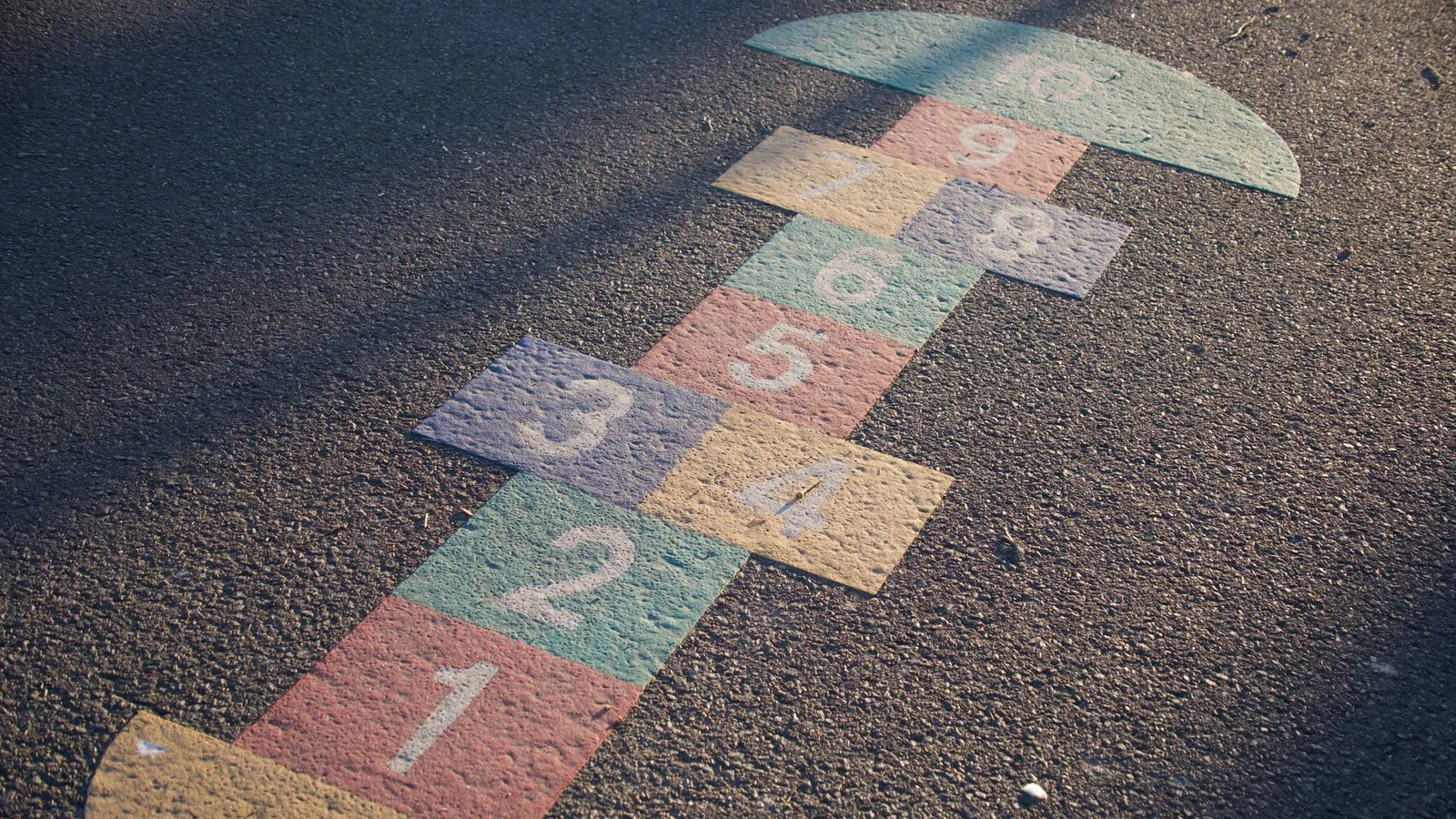
If your child enjoys floor yoga afterwards, explore our Freedom Flow sequence, which includes flower. Its 15 numbered poses are laser-engraved into the surface. The breathing practice itself needs only your hands.
Frequently asked questions
What age can children do finger breathing?
Try it when your child is willing to copy the tracing with your help. Evelina London suggests letting younger children trace an adult's hand. Show the movement first, then add the breathing cue. There's no minimum age specified in those instructions, so follow your child's interest.
How many breaths should a child take?
One complete hand gives you five breaths, counting the thumb: breathe in up each finger and out down it, following the YPAS hand pattern. Offer a round, then let your child decide whether to stop. They don't have to finish every finger or repeat the exercise.
What is the most calming breathing pattern for children?
Choose slow, comfortable breathing that your child is happy to try. Childline suggests slow, deep breaths to help you feel calmer. Hand tracing gives that breathing a route to follow. Let your child choose between their hand and a paper star, and keep the practice brief.
Can five finger breathing help at bedtime?
It can be a quiet activity to try before a story. The Sleep Charity includes breathing exercises in its relaxation advice for children and suggests doing them together. Offer the familiar hand pattern if your child enjoys it, without making falling asleep the test of whether it worked.
Sources
- Humber NHS: Breathing and grounding coping cards
- Children and Family Health Devon: Understanding and coping with feelings
- NHS: Breathing exercises for stress
- YPAS: Five Finger Breathing Brain Break
- Leeds Teaching Hospitals: Breathing techniques, including star breathing
- West Yorkshire Healthier Together: Worry and seeking support
- Evelina London: Hand breathing and support for younger children, page 5
- Childline: Calm zone
- The Sleep Charity: Relaxation tips for children