community
How to Run a Family Meeting With Young Kids
Try a ten-minute family meeting for ages 4 to 8, with a simple agenda, words to say and a plan for when your child wanders off.
How do you get everyone started?
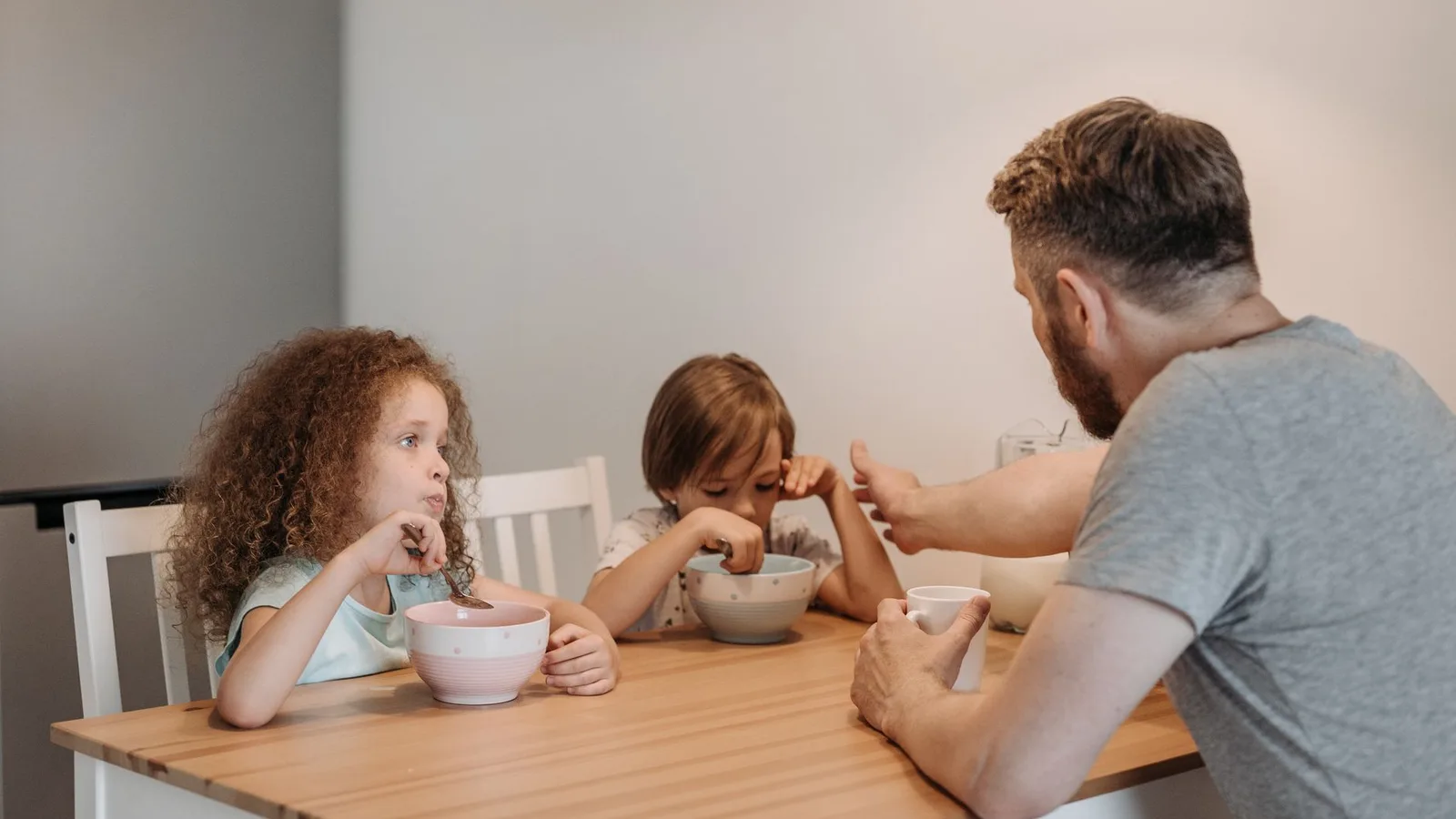
To run a family meeting with children aged 4 to 8, set aside ten minutes, let a grown-up lead, and cover thanks, one problem, one plan and one treat. If Sunday tea is cleared but everyone's still at the table, start there. Give each person a turn, allow passing, and finish by reading back what you've agreed.
You only need somewhere to sit, paper and a pencil. The script below does the organising.
What belongs in this little meeting?
Use the meeting for small, shared questions: where school bags go, how to take turns choosing music, or what you'll do together at the weekend. Start with something you can change before you meet again, and invite children's suggestions alongside your own.
Leave punishments and private worries off the group agenda. For a sensitive conversation with one child, the NSPCC advises considering privacy and possible interruptions. Keep that conversation separate.
If devices are the sticking point, our family screen time agreement gives you a starting point for that discussion.
Is Sunday after tea a good time?
Try Sunday after tea if everyone has time to sit together. If that clashes with baths or tired children, choose Saturday breakfast or another dependable gap. The NSPCC suggests choosing a time when you both have energy for a conversation.
Put phones aside, turn the television off and let a grown-up chair at first. Their job is to keep the topic clear, offer everyone a turn and watch the clock. A willing child can announce the next item while you keep things moving. Agree that anyone can say "pass".
What goes on your ten-minute agenda?
This family meeting agenda has five steps. Use the timings as a guide, without cutting someone off halfway through a sentence. Let children speak, point or draw their answer. Before starting, say which choices are open for discussion and which decisions remain with you.
1. Start with a specific thank-you (1 minute)
Say: "What's something someone did that you'd like to thank them for?" For example: "Thanks for bringing my coat."
Your child might thank the dog or copy your answer. Accept it without turning the round into a lesson. Offer everyone a turn, including adults, and let anyone pass. Keep your own contribution brief so the opening doesn't use up the time you've set aside for their ideas.
2. Put one problem into plain words (2 minutes)
Say: "What could we change to make getting out of the door easier?" For example, choose finding shoes, rather than the whole morning.
Your child may bring up something completely different. Write it down for another meeting, then return to today's question. Describe what happens without labelling anyone lazy or naughty. Action for Children recommends listening without interrupting, then checking what you've understood, so hear their answer before suggesting a fix.
3. Choose a plan with a job for you (4 minutes)
Say: "What shall we try until we meet again?" Invite suggestions, then agree on something practical.
Your child might propose wearing slippers everywhere. Enjoy the idea, then explain what you can offer. An example agreement is: "You put your shoes by the door after school; I'll make space for them."
Write the child's part, the grown-up's part and when you'll check it. If nobody agrees, keep the existing arrangement for now and return to the question later.
4. Choose something to look forward to (2 minutes)
Say: "What shall we do together before our next meeting?" Offer manageable family meeting ideas, such as a park visit, a kitchen disco or yoga together.
Your child might ask for an enormous outing. Explain what's available and let them choose within that. The treat is shared time, and nobody has to earn it by agreeing with you. Write down when it will happen; choosing the activity is part of these ten minutes, doing it comes later.
5. Read it back, then be still (1 minute)
Say: "Here's what we've agreed. Have I got that right?" Read the plan and the treat aloud.
Your child might correct your version, so make room for that before calling it finished. Ask whether anyone needs something explained again. Use the last few moments for a quiet pause together, sitting comfortably with nothing else to add. Then close the meeting, without slipping in another reminder about the shoes.
What if you only have two minutes?
Use a smaller meeting: spend a minute saying thanks and a minute choosing something to do together. Leave problem-solving for another day. Those two minutes still give you a shared appointment to return to, without pretending you've completed the full agenda.
For the longer version, the five slots total ten minutes. Stop there and carry unfinished business forward. More people may mean you need shorter contributions or fewer topics.
What if your four-year-old walks off?
Let them stay nearby and offer a way back in: "We're choosing our outing now. Would you like a turn?" They can point to a drawing or tell you their idea afterwards. Don't treat leaving as agreement to whatever everyone else decides.
If they don't want to talk, leave it for now. The NHS advises returning to the subject when a child is ready.
If giggling takes over, shorten your next prompt. If accusations take over, pause the discussion and use our guide to handling sibling arguments for that separate problem.
A private worry deserves a private conversation, without the meeting clock running. If you're concerned about your child's wellbeing and think they need extra support, speak to your GP or health visitor.
How do you pick it up next week?
Keep the agreement somewhere you can find it, such as beside the family calendar. A drawing can stand in for written words. After the next thank-you round, use the problem slot to ask whether the plan worked, and the planning slot to keep or change it.
Check your own promise too: did you make space for the shoes? If nobody followed the plan, change the plan together before adding another job.
Missed a week? Start again with the same agenda. You don't need a longer meeting to catch up.
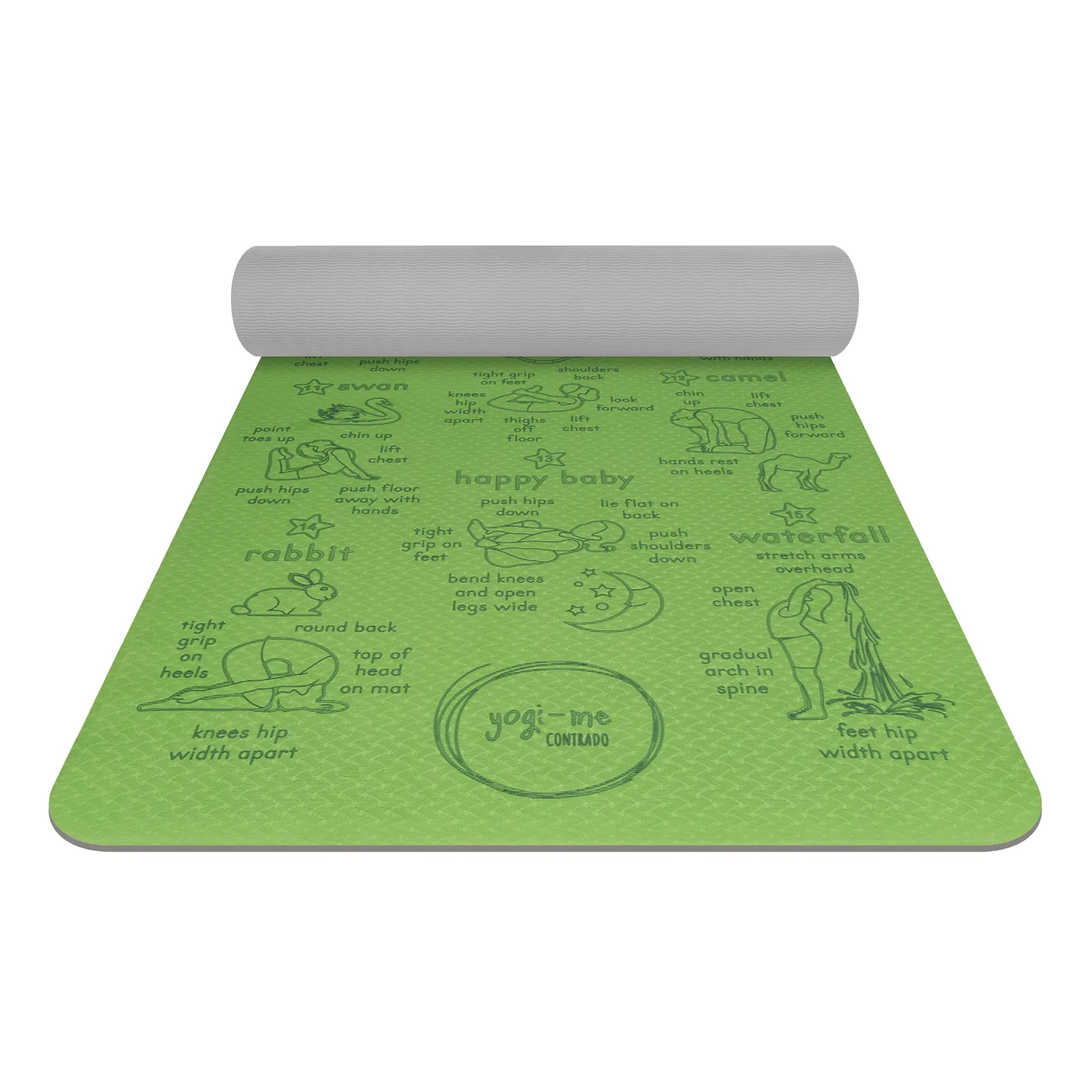
If yoga becomes your shared treat, browse Yogi-Me's mats for family practice. The numbered poses are laser-engraved into the surface.
Frequently asked questions
What is the purpose of a family meeting?
A family meeting gives everyone a regular chance to say what's going well, raise a household problem and help choose what happens next. For this routine, aim to leave with a small plan you can try before the next meeting, plus something enjoyable you've agreed to do together.
What are the basic rules for a family meeting?
Take turns, let people finish, leave out insults and allow anyone to pass. Keep the discussion on the agreed topic, and apply the rules to adults too. Explain which decisions children can help make and which remain yours. Nobody has to share a private worry in front of everyone.
Who should chair a family meeting?
Have a grown-up chair the first meetings: introduce the topic, offer everyone a turn and finish on time. When a child wants to help, let them announce each agenda item while you support them. Chairing means guiding the conversation, not getting the deciding vote or correcting everyone else.
How often should you have a family meeting?
Try once a week, at a time you can usually keep. Use the next meeting to check the plan you agreed and choose whether to keep or change it. If you miss a week, simply restart. Don't wait for the meeting when your child needs to talk sooner.