guides
Christmas Gifts for Teachers: 15 Under a Tenner
Christmas gifts for teachers under £10, from useful treats to homemade thank-yous, with class-collection advice and messages for the card.
What makes a good teacher Christmas present?
Good Christmas gifts for teachers are a handwritten card, a small treat you know they'll enjoy, or a useful present chosen with your child. Keep it modest and check the school's gift policy first. These 15 ideas include homemade options for teachers and teaching assistants (TAs), with a spending cap of under £10.
Every gift is for an adult; the age lines describe children helping you choose or make it. Include wrapping and materials in your budget, and use supplies you already have before buying anything.
A card can be the whole present: a thank-you note, a drawing or a handmade card your child chose the words for.
Find what you need:
- Gifts to buy: ideas 1 to 10.
- Gifts to make: ideas 11 to 15.
- Before buying: choosing tips and food or craft checks.
- Whole-class presents: collection advice.
- Words for the card: message bank and frequently asked questions.
Which teacher gifts can you choose for under £10?
Choose a small version of something they'll use, or make something with your child. The first ideas are ready-to-buy types; the final ones need paper, drawing supplies or ingredients. Each budget is a ceiling to shop within, so skip gift sets and personalised extras that push the total higher.
1. A notebook for their own plans
Choose a plain notebook with paper that suits writing or sketching. Let your child pick the cover colour and put their message on a separate card, leaving the pages free for whatever the teacher wants to put in them.
Good for: ages 3 to 8, choosing together. Budget: under £10.
2. A comfortable everyday pen
Look for a pen with a comfortable grip and ordinary replacement refills. Your child can choose the colour or draw the gift tag. Keep it simple: an elaborate presentation box isn't needed, and a removable tag leaves the pen ready to use.
Good for: ages 3 to 8, choosing together. Budget: under £10.
3. A wrapped bar of chocolate
Pick a flavour you know they enjoy, rather than a novelty shape chosen only for the packaging. Leave the original wrapper on and add your child's drawing around it. If you don't know their food preferences, choose a non-food idea.
Good for: ages 3 to 8, choosing together. Budget: under £10.
4. A small box of tea
Choose tea only if you know they drink it, and stick to a familiar kind. Your child can decorate a paper sleeve for the box. There's no need to add a mug, spoon and basket just to make the present look bigger.
Good for: ages 3 to 8, choosing together. Budget: under £10.
5. Coffee in the form they use
Coffee works when you know whether they use ground, whole-bean or instant. Keep it in its original packet and let your child make the label. If you'd be guessing about equipment or tastes, move to the notebook or shopping bag.
Good for: ages 3 to 8, choosing together. Budget: under £10.
6. A bookshop gift card
Check that school policy allows vouchers, then choose an available amount within your budget. Read the spending terms before buying. Your child can tuck it into a card with a drawing inspired by a favourite classroom story, without choosing the teacher's next book for them.
Good for: ages 3 to 8, choosing together. Budget: under £10.
7. A foldaway shopping bag
Look for a simple bag that folds into its own pocket or pouch. Choose a colour or pattern your child associates with the teacher. Leave off the giant slogan so they can use it wherever they like, including away from school.
Good for: ages 3 to 8, choosing together. Budget: under £10.
8. A pocket puzzle book
For someone you know enjoys puzzles, choose their kind: crosswords, word searches or number puzzles. Let your child draw a little cover note. This is a present for their time off, so avoid anything that looks like another set of worksheets to mark.
Good for: ages 3 to 8, choosing together. Budget: under £10.
9. A packet of seeds
Choose this for a teacher who has mentioned enjoying gardening. Keep the packet sealed, with its growing instructions attached, and let your child decorate the envelope around it. Don't add a pot and compost unless you know they'd welcome the extra things to carry.
Good for: ages 3 to 8, choosing together. Budget: under £10.
10. A tea towel
Pick a plain colour or a design connected to an interest you actually know about, such as birds or gardening. Your child can choose between designs and make the tag. Avoid adding a sentimental slogan unless you're sure it suits the person.
Good for: ages 3 to 8, choosing together. Budget: under £10.
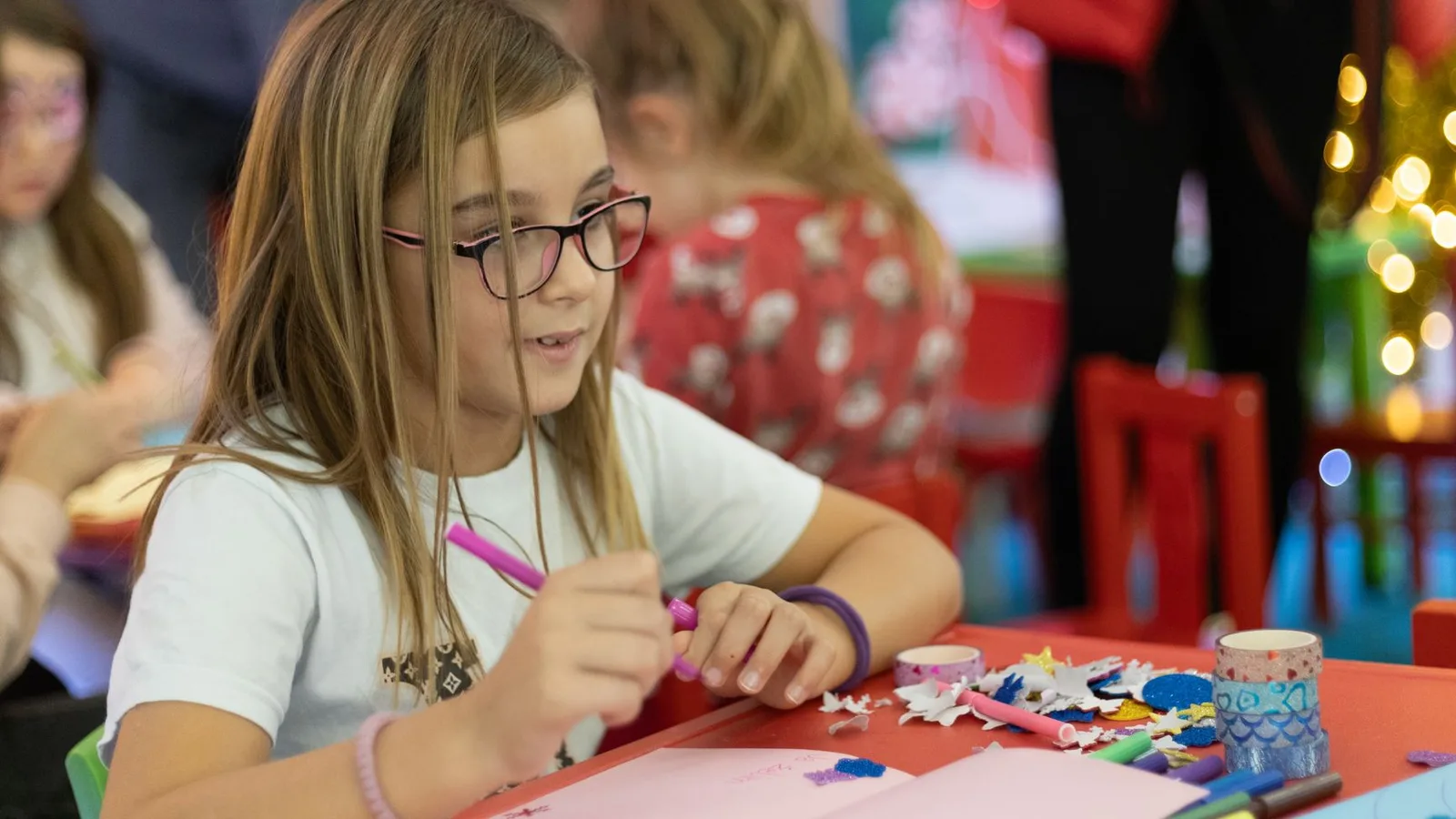
11. A card with a real thank-you
Fold one sheet of card, let your child draw the front and ask what they'd like to thank their teacher for. Write down their words if they want help. A specific memory gives the card its content; it doesn't need a poem.
Good for: ages 3 to 8, making together. Budget: under £10, or use existing supplies.
12. A handmade bookmark
Cut a strip of sturdy card, roughly 5 x 15 cm. Your child can draw a pattern on the front and write their name on the back. Keep it flat, without beads or tassels, so it sits between the pages.
Good for: ages 3 to 8, making together. Budget: under £10, or use existing supplies.
13. A drawing of a favourite lesson
Ask your child to draw something they enjoyed doing at school. Write their explanation underneath, using their own words, and add their name. Present it in a plain envelope rather than buying a frame that the teacher then has to find room for.
Good for: ages 3 to 8, making together. Budget: under £10, or use existing supplies.
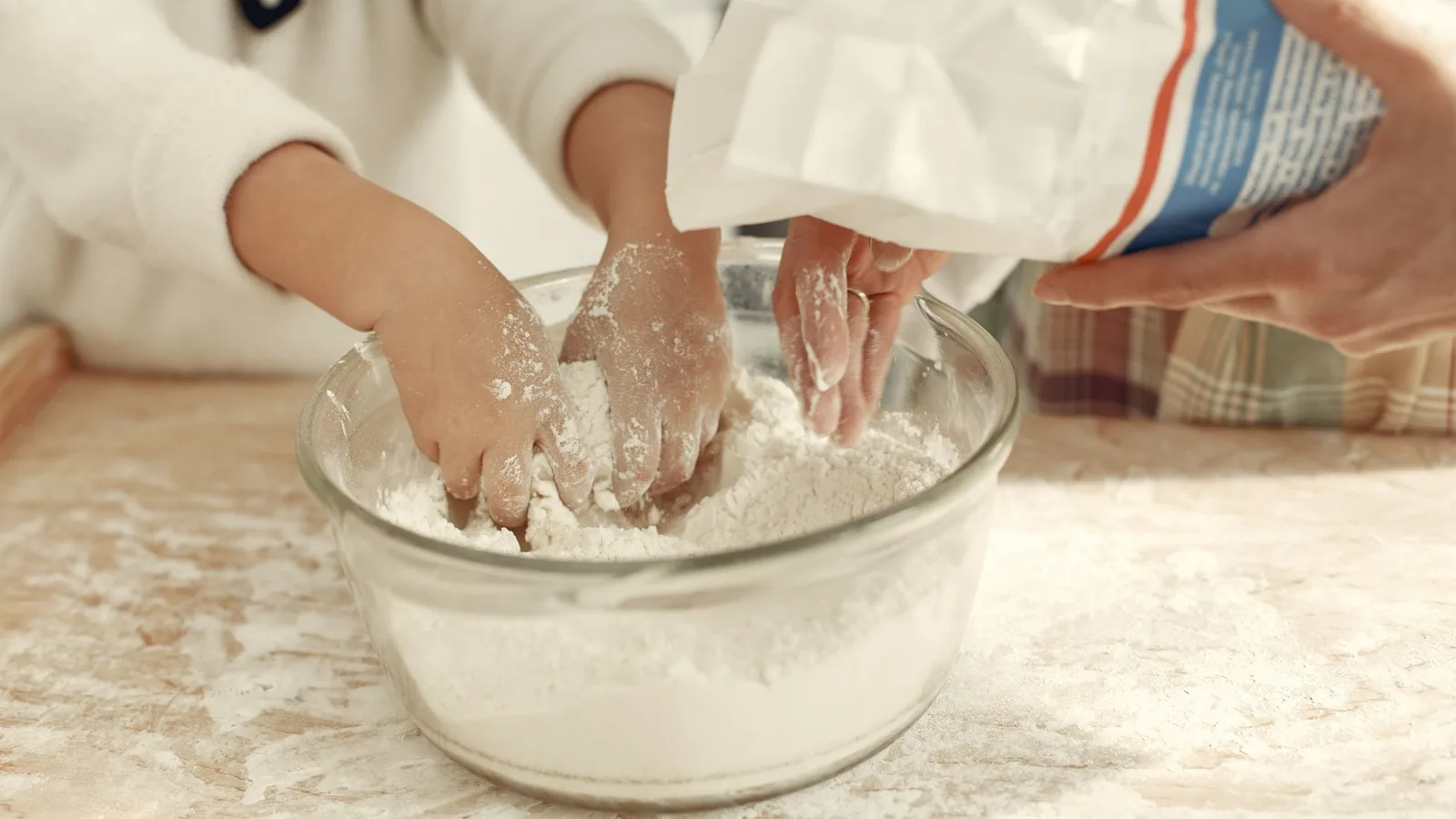
14. Homemade biscuits in a small box
Check food allergies before choosing ingredients, including those of your child and the recipient; choose a non-food idea if you cannot cater safely. Keep little fingers out of the raw dough until it's baked, since raw flour and raw egg aren't safe to eat. Use a familiar recipe and let your child help measure or mix, with a grown-up doing the baking. Do not let your child taste raw flour or dough. Pack six biscuits in a clean food container, following the Food Standards Agency's hygiene advice. A decorated paper lid is enough; there's no need for a hamper.
Good for: ages 3 to 8, making together. Budget: under £10.
15. A class thank-you booklet
Invite each child to contribute one page: a drawing or dictated sentence on the same size of paper. Put the pages into a simple folder, with the teacher's name on the front. Include contributions regardless of whether families have put money into a class collection.
Good for: ages 3 to 8, making together. Budget: under £10 using shared supplies.
How do you choose without knowing their favourite things?
Start with what you know, then choose the least complicated option. A present doesn't need to advertise the teacher's job to be thoughtful. Before buying, ask whether it suits the person, whether they'll need extra equipment for it, and whether the school can accept it.
- Know their interest? Choose tea, coffee, gardening or puzzles only when you have a real clue.
- Don't know them well? Pick a card, notebook or plain shopping bag.
- Buying for the classroom? Ask what is wanted before choosing supplies.
Check the school's gifts policy, including any rules about vouchers and shared presents. In England, the Department for Education's academy trust handbook says trusts should have a policy on accepting gifts that could compromise judgement or integrity.
That guidance is for English academy trusts. For other schools, including those in Scotland, Wales and Northern Ireland, ask the school office which policy applies.
What should you check before gifts go into school?
Check whether food gifts are welcome before baking, keep ingredient information with anything edible and leave small decorations off children's crafts. These checks belong at the planning stage: if the school doesn't accept food, you can choose a bookmark before buying ingredients or starting a batch.
For food, borrow the Food Standards Agency's community-event advice: retain bought-food packaging and provide the recipe or ingredient list with homemade gifts. Wash hands and equipment, and use a clean, sealable container.
For crafts, leave out beads, loose ribbons and battery lights, particularly with siblings under 3 nearby. Government product-safety guidance warns about small parts causing choking, loose ribbons posing strangulation risks, and button batteries needing securely screwed-down compartments.
Is a class collection the fairest way to give?
A class collection works best when the invitation makes clear that paying is optional and every child belongs on the card. Agree which staff the present is for before collecting, especially where teachers share a class or several teaching assistants support the children.
If you're organising, set a closing date, check the school's rules before choosing the gift and keep individual contributions private. Don't publish a list of who has paid or chase families for an explanation.
You could write:
"There's an optional collection for the class teacher and teaching assistants. Please contribute only if you'd like to. Every child is welcome to add a message to the card, whether or not their family contributes."
Tell families how the money will be shared between staff and what will happen to anything left over. If you've joined the collection, you don't need another separate present. If the school asks for no gifts, organise messages instead.
What can your child write in the card?
Start with something your child remembers, then help them put it into a short sentence. Ask which lesson they enjoyed or when someone helped them. You can write while they dictate, or let a drawing carry the message. The wording should sound like your child.
These are examples to adapt only when they're true:
- "Thank you for helping me when I got stuck."
- "I loved the stories you read to us."
- "Thank you for listening to my ideas."
- "I liked making things with you."
- "Thank you for helping me have a go."
- "Have a lovely holiday. Thank you for teaching me."
Add the teacher's name and your child's name so the card can stand alone. For a teaching assistant, use their name and the thing your child wants to thank them for. Our everyday gratitude activities offer more ways to practise saying thank you together.
Still choosing the children's Christmas presents?
Keep the teacher's thank-you within your budget. If you're also choosing for your child, our screen-free Christmas gift guide has more ideas. For a present to use together at home, explore our pose mats, with 15 numbered poses laser-engraved into the surface, for ages 3 to 8.
Frequently asked questions
Do you have to buy the teacher a Christmas present?
No. A card, a drawing or a spoken thank-you is enough. Choose what suits your family, and follow any school request not to send gifts. A class collection should be optional, with every child able to sign the card whether or not their family contributes.
Should you buy a gift for the teaching assistant too?
If you'd like to thank them, include them, but you don't need to buy separate presents. A named card can make the thank-you personal without adding to your shopping. If you're joining a class collection, ask who it covers before contributing, including staff who share the teaching or support across the week.
What should a child write in a teacher's Christmas card?
Start with 'Thank you for...' and something that actually happened, such as help with a piece of work or a favourite lesson. Add 'Happy Christmas' or 'Have a lovely holiday', then your child's name. If writing feels like a chore, let them dictate the message while you write it.
Are gift cards OK for teachers?
Check the school's policy before buying one, especially as part of a class collection. If they're allowed, choose somewhere the teacher can easily use and read the expiry date and spending terms. Put it inside your child's card so the personal thank-you stays with the gift.