guides
20 Christmas Traditions for Families, Through December
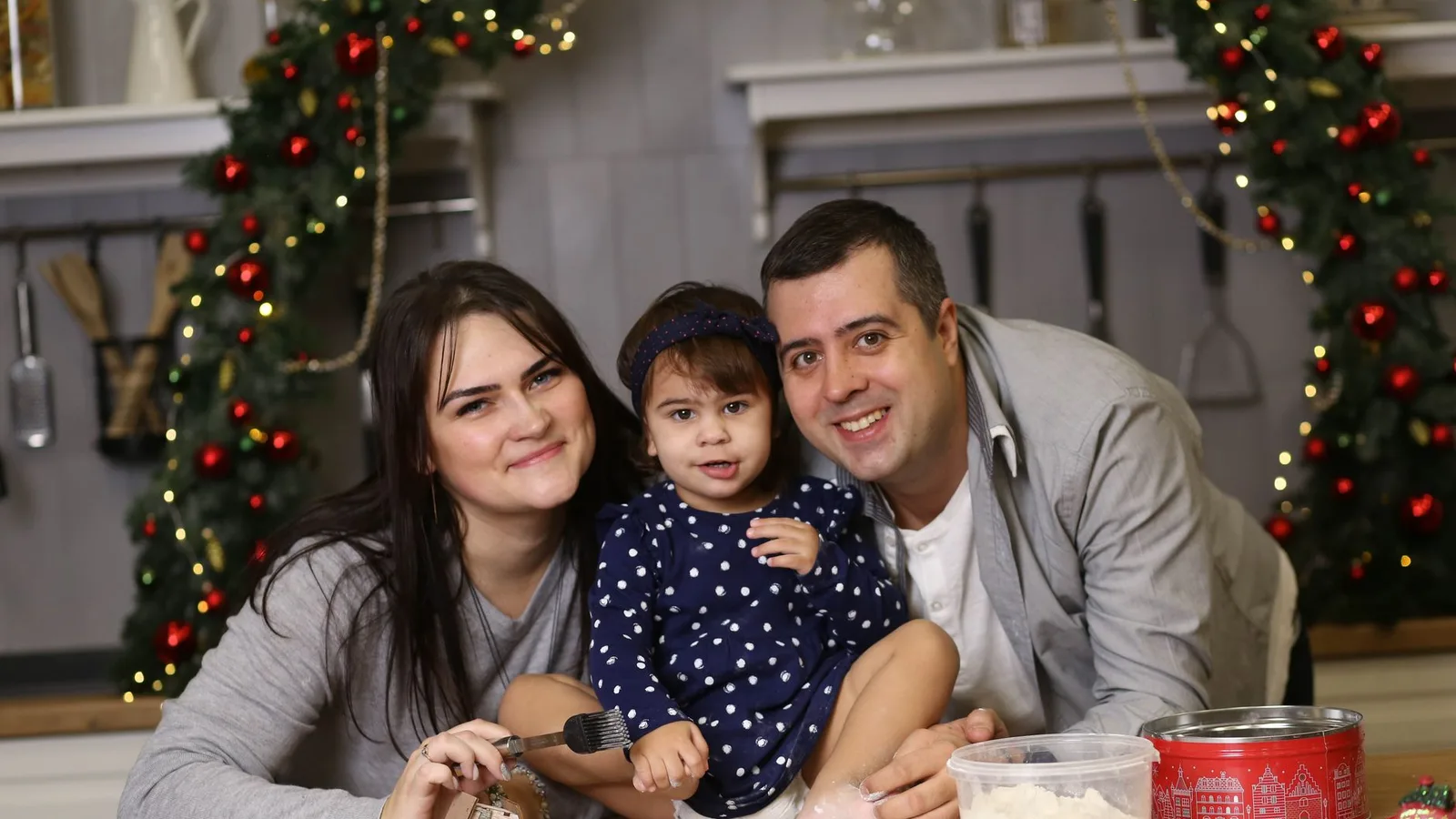
20 low-cost Christmas traditions for families with children aged 3 to 8, arranged through December, from Advent giving to Boxing Day.
Where should you start with family Christmas traditions?
Good Christmas traditions include an Advent countdown, decorating together, a Christmas Eve walk, stockings and the same breakfast each year. For children aged 3 to 8, start with a few things you can repeat without much spending or preparation. These 20 ideas run through December, with room for different households, budgets and beliefs.
Pick an idea for early December, another for Christmas Eve and something for the days afterwards. You'll mostly need paper, pens, things already in the cupboard and a little time together. Start wherever you are in the month. For more ways to fill the holiday itself, see our Christmas activities from Eve to Boxing Day.
Keep small parts, loose button batteries and long cords away from younger siblings, especially under-3s. Check battery compartments on toys and festive novelties are secure. The Child Accident Prevention Trust's toy safety guide explains the choking, swallowing and strangulation risks.
What can you start at the beginning of December?
Choose something you can bring out again without buying a fresh set of supplies. The countdown and donation box need a little planning; the others can begin whenever you fancy. Check the food bank's collection arrangements before December if you want to start with giving.
1. Fill a reverse Advent box
Instead of receiving a treat, set aside something to donate. Ask your local food bank what it needs and how to donate before you start. Say, "Let's choose something from their list." Add items when your budget allows, then deliver on the agreed date.
2. Colour an Advent countdown
Draw 24 large stars and colour one each day from 1 December. The National Trust describes the familiar Advent calendar countdown as running from 1 December to Christmas Eve. Say, "Choose today's colour." Leave the finished sheet with the decorations for another December.
3. Unpack the decorations together
Make opening the decoration box an occasion of its own. Put the sturdy decorations on the table and say, "Which should go up first?" Tell any real stories behind them. Let your child choose a spot rather than quietly rearranging everything once they've finished.
4. Write a letter to Father Christmas
Offer paper and say, "Draw something you'd like, and tell him something about you." Write down your child's words if they'd rather dictate. Pop it in a homemade pretend postbox, or keep it in an envelope. A wish list needn't become a shopping commitment.
5. Choose a carol for the car
Pick a carol or festive song as your December travelling song. Sing the bit everyone knows on an ordinary journey, or on foot if you don't drive. Say, "Shall we do our Christmas song?" Use the same chorus for the journey to a family visit, too.
Which traditions fit a December weekend?
Save the making and visiting for a day when you have room for them. Choose an activity with an obvious finish: a card delivered, a photo taken or hats ready for lunch. You can leave everything else on the list for another weekend, or another December.
6. Make a dated paper keepsake
Draw around your child's hand on card, then let them turn it into a reindeer, tree or entirely different creature. Add their name and the year. Say, "What should this become?" Keep the original shape visible so you can compare it with future versions.
7. Deliver a handmade Christmas card
Choose someone you know nearby and make a card for them. Your child can draw while you write the message, then you can deliver it together. Say, "What would you like to tell them?" Make the visit part of the tradition, without expecting an invitation inside.
8. Take the same family photograph
Choose a recognisable spot, such as the sofa or front door, and take a photo there each December. Ordinary clothes are fine. Ask, "Straight faces or silly faces?" Save it in a named folder so the pictures are easy to find and compare later.
9. Ask about a grandparent's Christmas
During a visit or call, ask a grandparent or another older relative, "What did you do on Christmas morning when you were little?" Let your child choose a follow-up question. Write down a detail afterwards, using the person's actual words rather than tidying their story.
10. Make paper crowns for the meal
Paper hats are part of the cracker tradition documented by the Victoria and Albert Museum. Make your own from paper strips, with a grown-up cutting the points. Say, "Who is this crown for?" Decorate each differently and save them for Christmas lunch.
What belongs on Christmas Eve?
A walk, stockings and a familiar story make a straightforward Christmas Eve plan. In 2026, Christmas Eve is 24 December, ahead of Christmas Day on Friday 25 December. Choose a couple of the ideas below rather than turning the evening into a timetable.
11. Walk the same lights route
Choose a short route past decorated homes and repeat it each Christmas Eve. Say, "Let's look for a star, a reindeer and our favourite window." Aim for about 15 minutes, with the option to turn back sooner. Looking from your own window counts too.
12. Open a box of familiar things
A Christmas Eve box can be a shoebox holding pyjamas, a book and something to draw with, all already owned. Say, "Let's choose what we'll do before bed." For different combinations, use our Christmas Eve box ideas. Nothing needs to be newly bought.
13. Put the stockings in their place
A Christmas stocking is a large sock or fabric bag for small presents. Let your child choose its spot, then use that place again. Say, "Shall we put your stocking out?" If you don't use stockings, make choosing a place for presents the ritual.
14. Leave Father Christmas a snack
If Father Christmas is part of your celebrations, put out a small snack and a carrot for the reindeer. Invite your child to draw a note beside them. Say, "What should we leave?" Use what you have, checking ingredient labels against any known food allergies. Keep the whole carrot out of young children's reach because of the choking risk.
15. Read the same Christmas Eve story
Choose a book you already enjoy and save it for this evening, or borrow a festive story. Say, "Shall we read our Christmas Eve book?" Let your child pick the reading spot. It can be a picture book even when they're reading longer books themselves.
What can you repeat on Christmas Day and afterwards?
Breakfast, a game and a small keepsake can continue the traditions after the presents. Boxing Day is 26 December, but its 2026 bank holiday is Monday 28 December across the UK. Put family plans on the date you actually mean when arranging visits.
16. Have your own Christmas breakfast
Choose a breakfast you'll be happy to make again: toast with a favourite topping, porridge or eggs. Check ingredients against any known food allergies. An adult should handle cooking and hot pans, keeping young children away from the cooker. Let hot food cool until lukewarm before serving, and stay with young children while they sit and eat. Give it a family name if you like. Say, "Shall we have our Christmas breakfast?" Keep the ingredients ordinary enough that the tradition doesn't depend on a shopping hunt.
17. Play Christmas animal charades
Take turns acting an animal while everyone guesses. Say, "Can you be a reindeer without talking?" Keep it to a few rounds, and let partners act together. Older relatives can join in from their chairs. Find alternatives in our family Christmas games.
18. Pass round a Christmas question
At a point when you're sitting together, ask, "What made you laugh today?" Anyone can answer or pass, including the grown-ups. Use the same question each Christmas, and write down answers only if people want you to. There's no need to turn it into speeches.
19. Have a Boxing Day family yoga turn
Make a short yoga session part of Boxing Day, using familiar poses. Say, "Stand tall as a mountain," then take turns choosing a shape you already know. Suggest 5 minutes, with anyone free to finish earlier. Joining in doesn't have to mean leading or performing.
20. Save a Christmas memory envelope
Before the decorations come down, put a drawing and a note about a favourite moment into an envelope. Add the year and store it with the decorations. Say, "What shall we remember?" Opening it next December can become the start of the decorating afternoon.
How can you fit a few traditions around your family?
Build a small sequence around time you already spend together, such as a meal or visit. These are suggested combinations, so swap freely. If Christmas involves travel, shifts or different homes, keep the activity and move its date rather than trying to recreate an entire day.
- A quiet Christmas Eve: take the lights walk, put out stockings and read the chosen story. If you stay in, look for lights from the window before opening the book.
- A visit to grandparents: deliver the card, ask about their childhood Christmas and take the annual photo. Let the visit finish without adding a performance.
- A Christmas across two homes: agree which book or song can travel, and give each home its own breakfast or game. Adults can arrange the details without asking children to choose which celebration matters more.
For a Boxing Day movement tradition, browse the children's yoga mats. Yogi-Me's mats have 15 numbered poses laser-engraved into the surface, for ages 3 to 8. At 183 x 61 cm, they're full length so adults can use them too.
What if your child would rather leave it?
Let them leave it. Offer a small choice, such as choosing the song or holding the envelope, and accept a no. If they dislike being watched, put the camera away and do the activity alongside them. A family tradition doesn't need every family member taking the same role.
You can keep decorating while they look through a book nearby, or leave the card unfinished until another day. Avoid promising that they'll love it once they start. At the end of December, ask what they'd like to repeat. Keep that answer with the decorations so next Christmas begins with something they've actually chosen.
Frequently asked questions
What are good Christmas traditions for toddlers?
Choose a familiar song, a picture book or colouring a large paper decoration together. Let your toddler choose the song or the colour while you handle the fiddly parts. There's no need for a finished craft: looking through the decoration box with you can be their whole contribution.
What can you do on Christmas Eve without spending money?
Take a walk to look at neighbourhood lights, read a book you already own, put out stockings and choose breakfast for the morning. A Christmas Eve box can hold existing pyjamas and a library book. Pick what appeals to your family; you don't need a present to mark the evening.
How many Christmas traditions should you start?
Try two or three to begin with: something during December, something on Christmas Eve and something for Christmas Day or afterwards. That's a suggested starting point, not a target. Keep the ones your family asks to repeat, and drop anything that takes more preparation than you want to give it.
How do you keep Christmas traditions across two homes?
Choose something portable, such as a song, a book or a breakfast, and agree the practical details between adults. Each home can also have its own tradition. If you're celebrating on another day, say when it will happen and keep the activity familiar without asking children to compare their Christmases.
Sources
- Child Accident Prevention Trust: Toy safety
- Trussell: Food bank donations
- National Trust: Advent calendar of Christmas treasures
- Victoria and Albert Museum: The Christmas cracker
- GOV.UK: UK bank holidays
- The Royal Family: A History of Royal Christmases
- Child Accident Prevention Trust: Safe from choking
- Child Accident Prevention Trust: Christmas safety tips
- NHS: Children's food safety and hygiene
- NHS: Food allergy