guides
How to Make a Bird Feeder With Kids: 4 Winter Makes
Learn how to make a bird feeder with kids, choose from four winter makes, then use a simple window watch sheet and keep feeding areas clean.
How do you turn kitchen bits into a bird feeder?
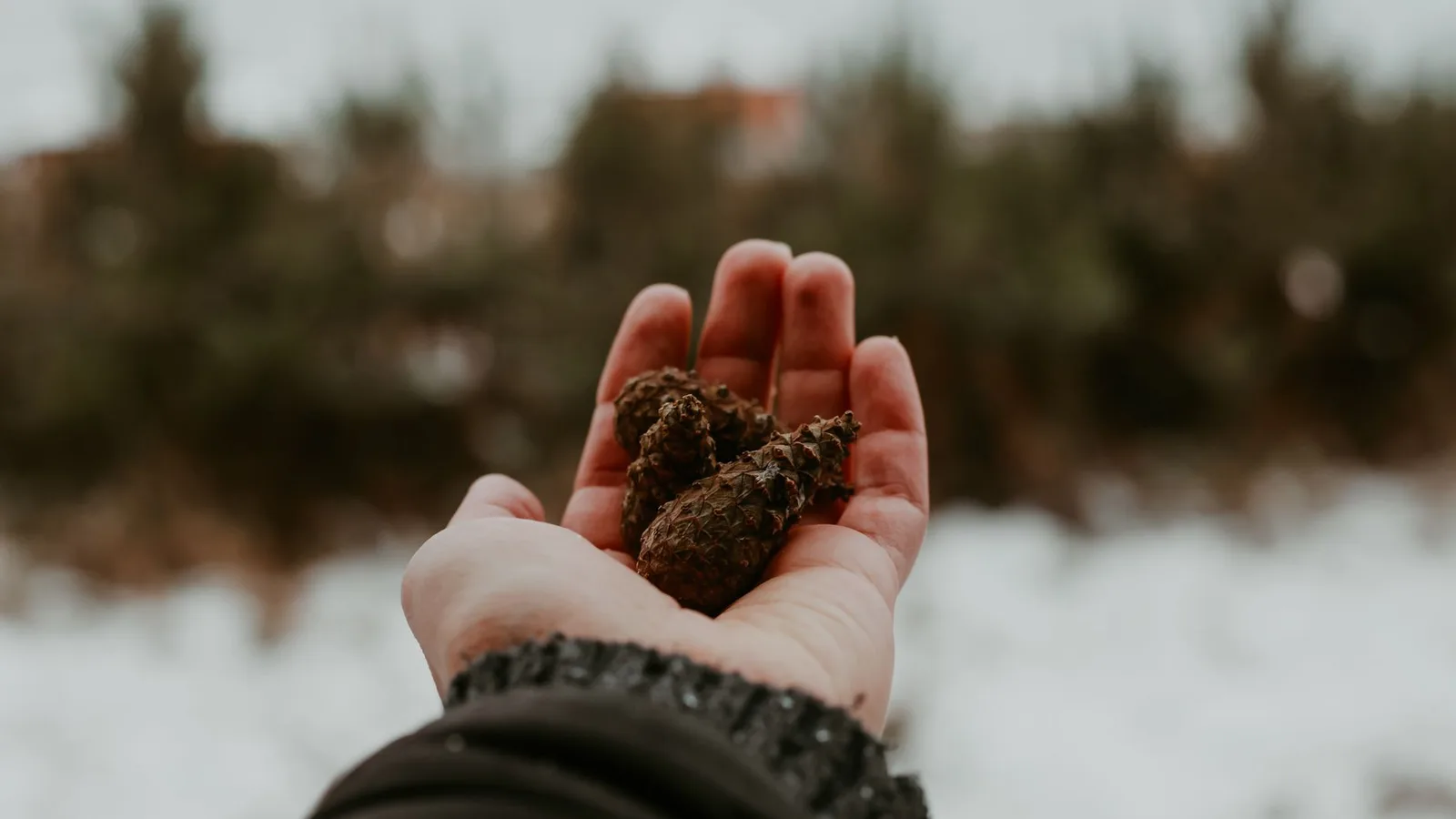
You can make a bird feeder with a pine cone, an apple, an empty yoghurt cup or a plastic bottle. Choose one, prepare the hanging string, then add suitable bird food. Below are four winter makes, followed by a window watch and a cleaning plan, so the activity carries on after the craft.
November suits these seed-based projects. The Royal Society for the Protection of Birds (RSPB) advises offering seeds from 1 November to 30 April, then pausing seeds and peanuts from 1 May to 31 October. It also advises against flat feeding trays, so these designs hang without a food-catching tray.
What needs sorting before little hands join in?
Gather the materials for just one feeder, put a tray on the table and set out a bowl and spoon. A grown-up handles cutting and piercing, then hangs the finished feeder. Let your child choose between pressing seeds into an apple, packing a fat mixture or spooning seed into a prepared bottle.
Keep loose seeds, bottle caps and string away from under-3s: the Child Accident Prevention Trust explains the risks from small parts and cords. Bird seed isn't for people to eat, so there's no tasting.
Check ingredients for allergies, including when food is only being handled. If you suspect a food allergy, speak to your GP before the food-handling activity.
How does your make, hang and watch afternoon work?
Choose a make, prepare the food, assemble it, then tidy up before hanging it outside and watching from indoors. The suggested stages below add up to 30 minutes of activity. Fat mixtures also need time in the fridge, so leave a gap before the hanging stage.
1. Pick your materials: 4 minutes
Say, "Which shall we make?" Gather string plus:
- Pine cone, What you'll need: A clean pine cone, lard and sunflower seeds
- Apple, What you'll need: An apple, sunflower seeds and a corer
- Cup, What you'll need: A clean, empty yoghurt cup, lard and sunflower seeds
- Bottle, What you'll need: A clean plastic bottle with its cap, two sticks, sunflower seeds, scissors and a pin
2. Get the food ready: 3 minutes
For the cone or cup, mix room-temperature lard with seeds, adding seeds until the mixture holds together. The RSPB's bird-cake method uses softened fat, without melting it. For the other makes, simply pour seeds into a bowl.
3. Build your chosen feeder: 12 minutes
Pine cone: tie string firmly around the cone before pressing the mixture between its scales. A spoon works if your child dislikes sticky fingers. This follows the Natural History Museum's pine cone method.
Apple: a grown-up removes the core. Thread string through and secure it underneath with a knot large enough to hold the apple. Your child presses seeds into the flesh, following the Scouts' apple feeder.
Cup: a grown-up pierces the base, threads string through and knots it inside. Pack in the fat mixture. It will hang opening-down, following the Woodland Trust's yoghurt-pot design.
Bottle: a grown-up makes drainage holes in the base, then opposite perch holes near the bottom. Insert a stick and cut a feeding hole about the size of a 5p coin just above each perch. Repeat higher up, with the second stick at a right angle to the first. Make another pair of holes at the neck and thread the string through. Following the Natural History Museum's bottle instructions, leave roughly 5 cm of perch on either side and smooth sharp edges. Your child adds seed until it reaches the lower feeding holes; replace the cap.
4. Tidy while the fat sets: 4 active minutes
Refrigerate the cone or cup until firm. The RSPB allows about an hour for its cup cakes. Clear the table and wash hands. Apple and bottle feeders skip the chilling.
5. Find a quiet hanging spot: 4 minutes
Choose a quiet, sheltered spot. Hang near cover but away from cats' hiding places, as the Natural History Museum advises. Avoid spots underneath bird perches. A grown-up secures the feeder.
6. Sit still and watch: 3 minutes
Say, "Let's see who turns up." Sit indoors with paper and a pencil. Copy this window sheet, adding a row whenever you return:
- ****
An empty row is fine. You aren't booking the birds an appointment.
How long should you allow from bowl to branch?
Plan for 30 active minutes using the suggested stages, with roughly an extra hour for a cup mixture to set. A pine cone also needs chilling until firm. Choose the apple or bottle if you want to finish in one sitting, and let the window watch be as short as you like.
These are planning slots, not a speed test. Have another activity ready during chilling, such as one of our winter activities for indoors and outdoors.
Which foods belong in your winter feeder?
Keep the ingredient list short: sunflower seeds for these makes, softened lard for the sticky versions, and an apple for the fruit feeder. The RSPB lists sunflower seeds, lard and apples among suitable foods. There's no need to add a handful of kitchen leftovers.
Its avoid list includes salted food, cooked food and loose peanuts. Don't put food in nylon mesh bags, which can trap birds. Use fruit without mould, as the RSPB's fruit-feeding guidance advises.
What if the making or watching goes nowhere?
If your child rejects the sticky mixture, swap their job: they can hold the bowl, choose the hanging spot or draw the first bird-sheet picture. You can finish it. There's no need to insist they complete every stage right now.
If birds don't arrive, give them time. The Natural History Museum says a new feeder may take a few days to attract visitors. Record colours if you don't know names. If a fat feeder grows mould, throw it away.
Rain stopping play? Try our snow day activities for indoors. If there's nowhere suitable to hang a feeder, skip the make and watch the birds visiting nearby trees or plants.
How do you keep the bird café worth visiting?
Leave the sheet and pencil by the window, and choose a regular moment to look out together. Add a reminder for the grown-up's cleaning job too. If the interest fades, take the feeder down; you can start again with a fresh make when somebody asks about it.
Follow the RSPB's feeding and cleaning guidance: seeds should be eaten within one to two days, suet within seven. Remove old food before refilling, clean feeders and change their position weekly.
Follow the British Trust for Ornithology's cleaning advice: an adult first wets the feeder with water, then washes off dirt and food debris before disinfecting according to the product's instructions. Rinse thoroughly and let it air-dry before refilling. Regularly clear dropped food and droppings from beneath feeders. Use dedicated equipment outside, wear gloves and wash hands afterwards. Treat the cup as a temporary, single-use make, as the RSPB advises.
After birdwatching, browse our mats for an indoor stretch together, with 15 numbered poses laser-engraved into the surface.
Frequently asked questions
What is the easiest homemade bird feeder to make?
Choose the apple feeder if you'd like to avoid a sticky mixing bowl. The Scouts' method uses an apple, sunflower seeds and string, with an adult doing the coring. It suits an afternoon when you'd like to make something and hang it up straight away, without a chilling stage.
Can you make a bird feeder without peanut butter?
Yes. The pine cone and cup recipes here use softened lard, so you don't need peanut butter. If you'd rather avoid a fat mixture altogether, choose the apple or bottle. Pick the method that suits the materials you have, then follow its preparation and cleaning instructions.
What should you not put in a bird feeder?
Leave out salted food, cooked leftovers and loose peanuts. Don't use mouldy fruit or put food out in nylon mesh bags. Stick with the ingredients in your chosen make rather than adding whatever is left in the kitchen, and remove old food before adding a fresh portion.
When should you stop feeding garden birds?
Stop feeding if a sick bird visits. The RSPB advises cleaning and putting away feeders, then waiting a month before restarting, provided no more sick birds are seen. While you wait, keep watching plants and trees from the window, and record which birds visit them.
Sources
- RSPB: Our latest guidance on feeding garden birds
- RSPB: Feeding birds near you
- RSPB: How and what to feed your garden birds
- RSPB: Make your own bird feeder
- RSPB: Food for your wild friends
- Natural History Museum: How to make fat balls for birds
- Natural History Museum: How to make a bird feeder
- Scouts: Make brilliant bird feeders
- Woodland Trust: How to make a bird feeder
- Child Accident Prevention Trust: Toy safety
- NHS: Food allergy
- British Trust for Ornithology: Good hygiene practice