
guides
Board Games for 5 Year Olds: 15 Worth Buying
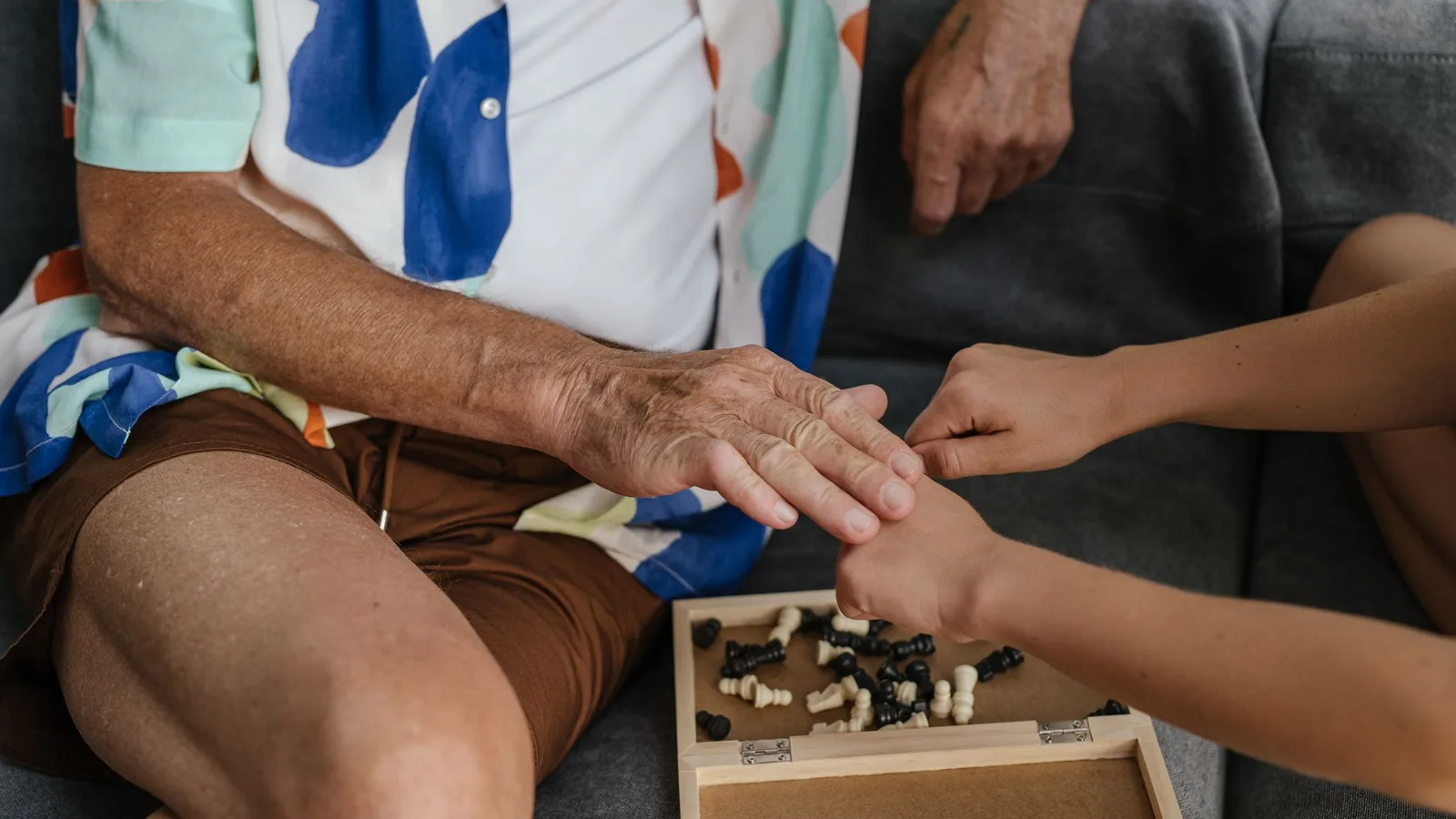
Compare 15 board games for 5 year olds, with UK price bands, reading needs and play times, plus picks for relaxed grandparent visits.
Which board games make a good present at 5?
Good board games for 5 year olds include Shopping List for simple matching, Outfoxed for a shared mystery and Dragomino for choosing and placing tiles. Start with what they enjoy doing, then check reading demands and who'll play with them. These 15 picks cover first games, family challenges and presents to keep at a grandparent's house.
Ask their parent which game they already enjoy. That gives you something useful to work from: choosing routes, remembering pictures or simply seeing what happens when the dice land. A fifth birthday doesn't mean you need to buy the most complicated box marked for that age.
Below, ages are the makers' recommendations. Reading means words needed during play, after an adult explains the rules. Times are published estimates, so leave room for teaching; “variable” means the maker doesn't give a fixed duration. Price bands are rough UK budgets before delivery.
On this page: matching and memory; playing as a team; choosing and planning; races; the grandparent test; gift checks.
Which games start with pictures and matching?
Start here for pictures, letters and hidden objects. Shopping List has a clear collection goal, while Enchanted Forest adds a hunt. Before choosing, decide whether the child wants time to look carefully or would enjoy racing to call out a match.
1. Shopping List
Turn over cards and collect the shopping pictured on your list. The first full trolley or basket wins. Choose it for familiar objects and a turn that's easy to demonstrate.
Good for: ages 3 and up. Under £10. Indoors, together. Players: 2 to 4. Length: variable. Reading: none.
2. Match and Spell
Match letter tiles to a picture board, or turn it over and build the word yourself. Choose it for a child who enjoys letters and wants to make words.
Good for: ages 4 and up. Under £10. Indoors, solo or together. Players: 1 to 4. Length: variable. Reading: a little for word building.
3. Dobble Kids
Find the animal appearing on both cards and call it out. This compact card game suits quick play. Skip it if the intended players dislike having to spot something first.
Good for: ages 4 and up. £10 to £25. Indoors, together. Players: 2 to 5. Length: about 10 minutes. Reading: none.
4. Enchanted Forest
Move through the forest, look beneath trees and remember where treasures are hidden. Choose it for a search with a story attached. These details refer to Ravensburger edition 22292; check the edition number before buying.
Good for: ages 4 and up. £10 to £25. Indoors, together. Players: 2 to 6. Length: about 15 to 20 minutes. Reading: none.
Which games put everyone on the same side?
Cooperative games give the adult and child a shared task. In Outfoxed, the team can lose if the fox escapes. Choose from this group when you want to discuss the next move together, while leaving the child room to make a decision of their own.
5. Outfoxed
Gather clues and use a decoder to identify the fox who took the pie. Choose it for a child who likes explaining their thinking, and let them suggest the suspects.
Good for: ages 5 and up. £10 to £25. Indoors, together. Players: 2 to 4. Length: about 20 minutes. Reading: none; adult help with suspect names.
6. My First Castle Panic
Match colours and shapes to catch monsters before they reach the castle. Choose it for a shared challenge with a visible goal: keep the castle standing. The cards use pictures.
Good for: ages 4 and up. £10 to £25. Indoors, solo or together. Players: 1 to 4. Length: about 20 minutes. Reading: none.
7. Concept Kids Animals
Place rings on picture clues to help someone guess an animal. Choose it for an animal enthusiast or a visit with several relatives. Let the child provide clues while you guess.
Good for: ages 4 and up. £10 to £25. Indoors, together. Players: 2 to 12. Length: about 20 minutes. Reading: none.
Which games give them choices to think through?
Choose these when deciding what to do next is the fun. Let the child try a route or placement and see what happens. Adults get decisions to make too, which gives these games a reason to return to the table.
8. Dragomino
Choose landscape tiles, match their edges and turn over eggs to discover baby dragons. It's our pick for arranging and planning: tile placement matters, while the eggs keep the result uncertain.
Good for: ages 5 and up. £10 to £25. Indoors, together. Players: 2 to 4. Length: about 15 minutes. Reading: none.
9. My First Carcassonne
Build roads with tiles and place your figures when roads are completed. Choose it for an unhurried visit with room to spread out. Everyone contributes to the same growing layout.
Good for: ages 4 and up. £25 to £50. Indoors, together. Players: 2 to 4. Length: about 30 minutes. Reading: none.
10. My First Stone Age
Turn over forest tokens, collect goods and build huts. Choose it when the child enjoys following a sequence of actions. Remembering which token does what adds something to think about.
Good for: ages 5 and up. £25 to £50. Indoors, together. Players: 2 to 4. Length: about 15 minutes. Reading: none.
11. Bluey Junior Labyrinth
Slide maze tiles to open paths towards characters. Routes appear and disappear as the board changes. Choose it for a child who enjoys mazes, checking that the box says Junior.
Good for: ages 4 and up. £10 to £25. Indoors, together. Players: 2 to 4. Length: about 15 to 20 minutes. Reading: none.
Which games suit a child who loves a race?
These games give you something concrete to collect or somewhere to reach. Choose by the action the child wants to repeat: hooking out bones, filling a bus, climbing a hill or collecting cheese. Check the setbacks too, because losing a collected piece is part of some games here.
12. Dinosaur Dig
Hook bones from the raised board and assemble your dinosaur. Matching pieces stay; a T-Rex card sends a bone back. Choose it for a dinosaur enthusiast who likes handling pieces.
Good for: ages 4 and up. £10 to £25. Indoors, together. Players: 2 to 4. Length: variable. Reading: none.
13. Bus Stop
Roll to move, then spin to pick up or drop off passengers. The player with the most passengers wins. This suits a vehicle enthusiast who enjoys counting objects.
Good for: ages 4 and up. £10 to £25. Indoors, together. Players: 2 to 4. Length: variable. Reading: none; counting is involved.
14. Funny Bunny
Race rabbits towards the carrot, with opening holes and obstacles along the way. Choose it for the physical surprises. Skip it if disappearing rabbits would spoil the afternoon.
Good for: ages 4 and up. £10 to £25. Indoors, together. Players: 2 to 4. Length: about 20 to 30 minutes. Reading: none.
15. Cat & Mouse
Move mice around the board collecting cheese and avoiding the cat. Choose it for a shorter race with a clear collection goal. Explain the setbacks before everyone starts gathering cheese.
Good for: ages 4 and up. £10 to £25. Indoors, together. Players: 2 to 4. Length: about 10 to 15 minutes. Reading: none.
What will work at Grandma's table?
Match the game to the adult as well as the child. Ask whether they enjoy fast reactions, careful choices or a shared puzzle. Then check how the pieces are handled and where the game will live. A gift for occasional visits needs to suit that particular visit.
- Familiar pictures and clear turns, Start with: Shopping List; Check before buying: Space to lay out the cards
- Guessing together, Start with: Concept Kids Animals; Check before buying: Everyone can see the clue board
- Quiet choices without a speed contest, Start with: Dragomino; Check before buying: Room for each player's tiles
- Building something across the afternoon, Start with: My First Carcassonne; Check before buying: A table the layout can stay on
Look at a photograph of the contents, not just the lid. If gripping fiddly pieces is unwelcome, choose a different game. If keeping track of rules feels like work, pick the clearest turn sequence.
For planning the visit around the game, our family game night ideas give you more ways to organise the evening.
What should you check before you wrap it?
Check the exact edition, age label and contents, especially if younger siblings will be nearby. Keep the instructions and warnings with the gift. The Royal Society for the Prevention of Accidents advises following age guidance and keeping toys marked unsuitable for under-3s away from them.
Small counters and detachable pieces can be choking hazards for younger children. Plan to play beyond their reach and pack everything away afterwards. For a second-hand game, check that pieces aren't damaged and that the instructions and age warnings are still available.
GOV.UK provides separate toy-safety guidance for Great Britain and Northern Ireland. Follow the warnings on the actual game you're giving, including any requirement for adult supervision.
What if their game cupboard is already full?
Ask which games they have before trying to surprise them with another box. A useful message is: “Do they already have Shopping List or Dragomino, and do they prefer playing as a team?” That leaves the final choice with you while avoiding a duplicate.
Look for a different kind of play, rather than a bigger version of something they own. If their shelf is full of races, a shared mystery might be the change they're after. Keep a gift receipt, and offer to learn the rules before your next visit.
If the family would rather have something other than another game, our gift ideas for 5 year olds widen the choice.
What happens after the last round?
Pack the game away and make room for something active. The NHS advises children aged 5 to 18 to break up long periods of not moving with activity. Our movement break ideas offer options without buying anything.
For an active present alongside a board game, explore our pose-guided mats, for ages 3 to 8, with 15 numbered poses laser-engraved into the surface.
Frequently asked questions
What is the best board game for a 5-year-old?
Dragomino is our pick if you want a game built around making choices: children choose landscape tiles and look for matching edges. Shopping List is the simpler starting point, while Outfoxed suits playing on the same team. Choose by the child's interests and the adults who'll join in, rather than the biggest box.
Can a 5-year-old play board games without reading?
Yes. Look for games where the player matches pictures, colours or symbols, with an adult explaining the rules. Shopping List, Dragomino and My First Carcassonne all work this way. Check the actual cards before buying, because a colourful box doesn't tell you whether the game contains written questions or instructions.
Which board games are good for a grandparent visit?
Choose Shopping List for familiar objects and a clear turn sequence, Concept Kids Animals for guessing together, or My First Carcassonne for building a shared layout. Ask what the grandparent enjoys too. A game without a speed contest is a useful choice when you'd rather chat and take your time.
What if a child gets upset about losing?
Try a cooperative game so you're working towards the same result, and explain before starting that the team can lose too. Let the child make their own decisions instead of directing every move. If they're finished with the game, pack it away kindly and choose something else. There doesn't need to be a rematch.