community
Big Garden Birdwatch With Kids: How to Take Part
Make the Big Garden Birdwatch work for your family, with confirmed dates, counting rules, bird pictures and a plan for taking part.
What is the date for the Big Garden Birdwatch?
Big Garden Birdwatch 2026 ran from 23 to 25 January, and registration for 2027 opens on 9 December 2026. The Royal Society for the Protection of Birds (RSPB) asks you to watch birds for an hour and submit a count. Here's how to get ready with children, from choosing your spot to recognising birds.
Counting dates for Big Garden Birdwatch 2027 aren't on the RSPB's national page as of 4 November 2026. Put the registration date in your diary, then take the survey dates from that page when they're announced.
You can practise birdwatching now. Choose your view, get familiar with the visitors and try the counting method below. Keep November practice notes separate from the count you'll submit during the official event.
What is the best time to do the Big Garden Birdwatch?
Morning is a good starting point, but choose an hour that suits your family. The RSPB says you're likely to see more birds in the morning, while allowing counts at other times. Our suggestion is after breakfast, with the picture sheet and a pencil ready before you begin.
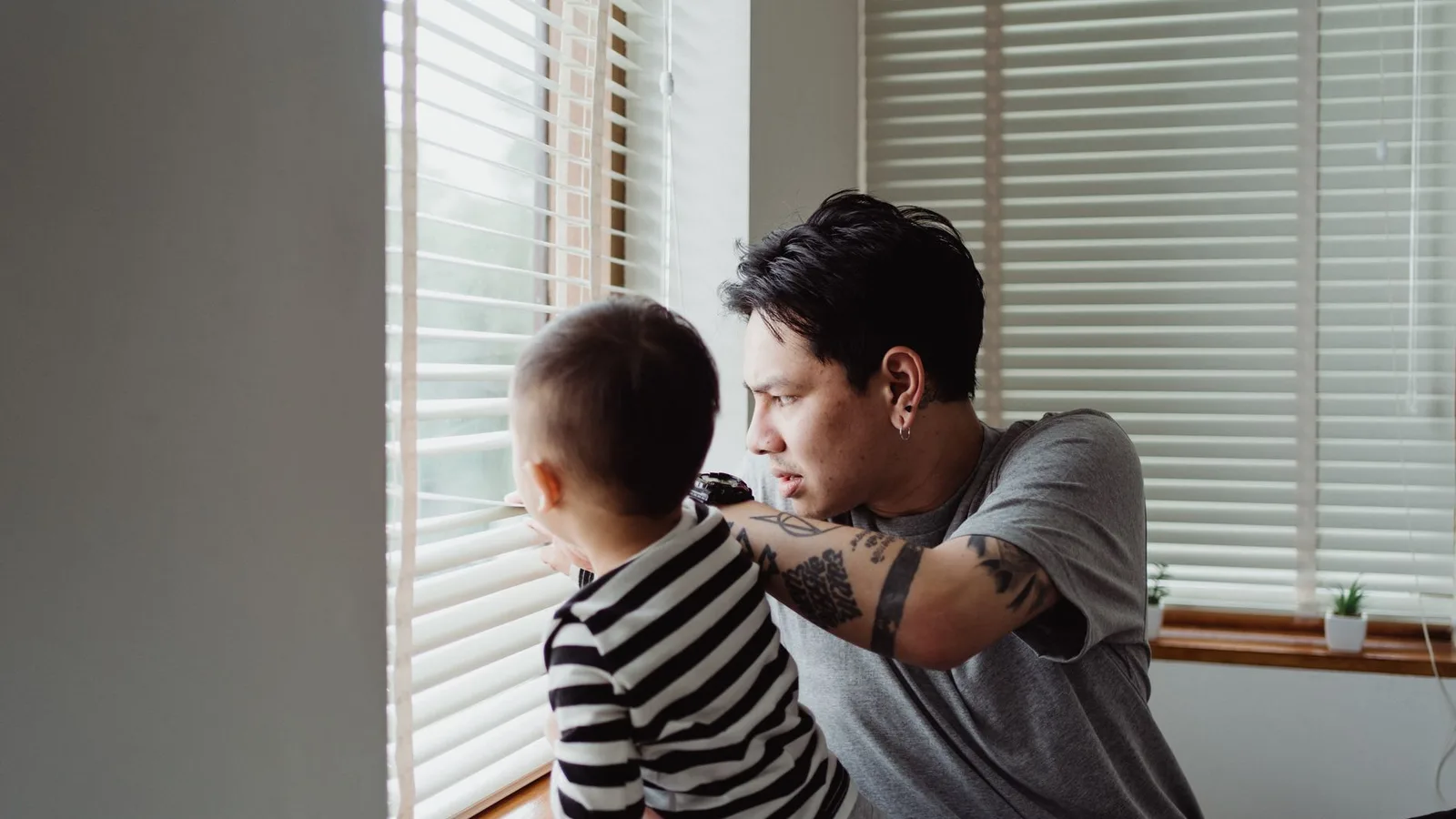
Choose a chair with a view of the lawn, fence and shrubs. Check it from your child's height: the garden you can see from the kitchen sink might disappear behind the windowsill for them.
A clear view matters more than a grand setting. Put your child's picture sheet next to yours, with the pencil beside it, so identifying a visitor doesn't mean a search for the right page.
If you're going to a park, choose your watching spot before starting the clock. Save a walk or one of these winter activities for children for afterwards, rather than moving around during your count.
Can we take part as a group?
Yes, families can watch together, but send one shared set of results for the same place. That's the RSPB's rule for group counts. You can share the jobs: someone spots movement, someone checks the pictures and someone keeps the final numbers.
For example, if your four-year-old wants to draw after a few minutes, let them. Keep a grown-up watching so the count still covers the full hour. Invite your child back with a specific task: "Can you find that bird on our sheet?"
Use separate pages for different purposes:
- Your child's page can hold drawings, ticks beside favourite birds and anything else they notice.
- The survey page holds the highest number of each species seen together. A grown-up checks this before submission.
Decide who writes on the survey page before starting. If two children spot the same visitor, they can both announce it, while the recorder checks how many birds are there together.
That leaves room for play without muddling the record. Your child can take part without being responsible for watching every moment or deciding whether a brown bird is a sparrow.
How do I count birds for Big Garden Birdwatch?
Record the largest number of each species you see together, and only include birds that land. The RSPB's counting rules explain that this avoids counting the same bird again. Don't add up every separate visit to the garden fence or feeder.
Here's an illustrative robin count:
- 2 robins land together on the lawn, Number to keep on the sheet: 2
- Later, 1 robin sits on the fence, Number to keep on the sheet: Still 2
- Later, 3 robins sit together in the hedge, Number to keep on the sheet: Change it to 3
Your final robin count is 3. Adding the visits would give 6, but some could have been the same birds returning.
Keep each species on its own line. A blackbird landing on the fence counts; a bird flying across without landing doesn't. Leave space for birds beyond your picture sheet, too.
If you're unsure what you've spotted, note its colours and shape, then check the guide before entering a name.
Which birds might we see?
Start with the UK top ten from the 2026 Birdwatch, then record whichever birds actually visit your patch. The RSPB's published results provide the list below. Its national results page also separates England, Scotland, Wales and Northern Ireland, so don't treat the UK list as a prediction for your garden.
The RSPB's 2026 picture tally sheet has illustrations you can use for practice now. The bird pictures are on page 2 and include all ten below, plus other species. Use the 2027 guide for the event itself when it's available.
These clues come from the RSPB's guides to common garden birds and tits and finches:
- House sparrow, A feature to look for: Male: grey cap and black bib
- Blue tit, A feature to look for: Blue cap and yellow tummy
- Starling, A feature to look for: Dark feathers with pale speckles
- Woodpigeon, A feature to look for: Grey body and white neck patch
- Blackbird, A feature to look for: Males are black; females are brown
- Great tit, A feature to look for: Black head and stripe down a yellow tummy
- Robin, A feature to look for: Red breast and brown back
- Goldfinch, A feature to look for: Red face and yellow wing stripe
- Magpie, A feature to look for: Black and white, with a long tail
- Long-tailed tit, A feature to look for: Round body and a very long tail
Why should we pause seeds and peanuts from May to October?
The RSPB advises pausing seeds and peanuts from 1 May to 31 October, rather than stopping every kind of bird food. Its seasonal feeding guidance allows small amounts of mealworms, fat balls or suet during that period. The change aims to reduce disease spreading between birds.
From 1 November to 30 April, seeds and peanuts can be offered again. The RSPB recommends hanging feeders instead of flat feeding surfaces, and cleaning feeders at least weekly.
If you feed birds, make food handling and cleaning an adult job. NHS allergy guidance also warns that bird food may contain nuts. If anyone taking part has a nut allergy, check the feed's ingredients and skip feeding if you cannot confirm it is suitable. Follow the RSPB's cleaning advice: work outside, wear gloves and wash hands and forearms afterwards. Keep whole peanuts out of reach of young children, including any under-3s joining you: the NHS warns that whole nuts are a choking risk for children under 5.
How do I send in my Birdwatch results?
Use the RSPB's Birdwatch website to submit your final count when the event's results form is available. Its submission guidance also explains the postal option. For either route, use the form and deadline for the event you've taken part in.
The available 2026 guide has February deadlines that have already passed. Those aren't submission dates for 2027. Check the new deadline alongside the new counting dates.
Before submitting, have your survey page ready and check:
- The location is where you actually watched.
- Each figure is the largest group seen together.
- You've included any identified species missing from the picture sheet.
- Someone else in your family hasn't already submitted the same count.
Keep a copy of the finished sheet with your child's drawing. You can return to the same view on another day and make a separate record of what turns up.
Make a family morning around the count
Put the finishing time on your sheet, so nobody has to keep asking when the hour is up.
Once you've finished, let your child choose what happens next. They could draw the bird they liked most, invent a name for the garden's watching spot or pretend to fly, land and perch.
Keep these as play ideas, separate from the numbers you send to the RSPB. You could also choose a bird to look for on your next walk: a magpie, robin or woodpigeon, rather than trying to name everything.
If you'd like to carry on noticing what's outside, our guide to building a regular outdoor habit offers another starting point.
For an optional bird-themed finish indoors, explore our Sun Salutation mat. Eagle and tree are among its 15 numbered poses, laser-engraved into the surface, so you can choose a pose together after putting the tally sheet away.
Frequently asked questions
Is Big Garden Birdwatch free?
Yes. The RSPB says taking part is free, and you don't have to be a member or make a donation. Use paper and a pencil you already have. If you're planning a family morning around it, there's no need to add a shopping trip.
Can I take part without a garden?
Yes. The RSPB welcomes counts from a balcony or local park, and you can watch from a window. Pick somewhere you and your child can see comfortably, and decide which patch you'll watch before starting. A visit to a relative's garden is another option.
What if I don't see any birds?
Send in a zero result. The RSPB asks for results even when nothing appears, because those records still contribute to the survey. Keep your child's drawings or notes about the view as a souvenir. An empty tally sheet doesn't mean you've done the activity wrong.
Do we need binoculars?
No. The RSPB says binoculars aren't required for Birdwatch. Start with a clear view and the picture guide. If you already own binoculars, a grown-up can use them to check a distant bird, while your child points to the matching picture. There's no equipment test to pass.
Sources
- RSPB: 2026 how-to guide and picture tally sheet
- RSPB: Big Garden Birdwatch
- RSPB: Taking part without a garden
- RSPB: Join the Big Garden Birdwatch
- RSPB: Big Garden Birdwatch 2026 counting rules
- RSPB Chester Local Group: Big Garden Birdwatch Results 2026
- RSPB: National Birdwatch results
- RSPB: Common garden birds identification guide
- RSPB: Tits and finches identification guide
- RSPB: Our latest guidance on feeding garden birds
- RSPB: Expert advice on cleaning bird feeders
- NHS: Foods to avoid giving babies and young children
- RSPB: Big Garden Birdwatch FAQs
- RSPB: Will you see something unusual in your Birdwatch?