guides
How to Make a Worry Box With Your Child
How to make a worry box with your child, then the ten-minute early-evening routine that makes it work, and when a worry needs more than a box.
A worry box is a small box with a slot in the lid that your child posts their worries into, written or drawn on slips of paper. Making it is a one-off craft. What makes it work is the routine afterwards: ten minutes at a set time in the early evening to say each worry out loud, post it, close the lid and leave it there.
It's the third time today the same question has come up. What if nobody sits with me at lunch? It came up at the school gate, again over fish fingers, and you can already tell it'll be back at lights out.
YoungMinds suggests making a worry box together for exactly this child: one whose worries are upsetting them or making it hard to think about or do other things. Here's how to make one, and how to run it so it keeps working.
What a worry box does, and what it doesn't
A worry box gives a worry somewhere to go. YoungMinds says children can find one soothing because it's a physical way to stop carrying worries around, the box feels like it's holding them, it shows that thoughts are only thoughts, and it turns sorting out worries into a routine shared with you.
The NHS lists the worry box among the small things that can ease anxiety in children, next to talking, routines and slow breathing. That's the right size for it. It doesn't make a worry untrue or replace talking, and YoungMinds says a child may still need to talk worries through with you at other times.
Making the box together
YoungMinds suggests any box or container (a shoebox, a tissue box, a jar or a plastic tub with a lid), pens, paint, stickers or tissue paper to decorate it, paper, a pen, and sticky tape, scissors and string if you have them.
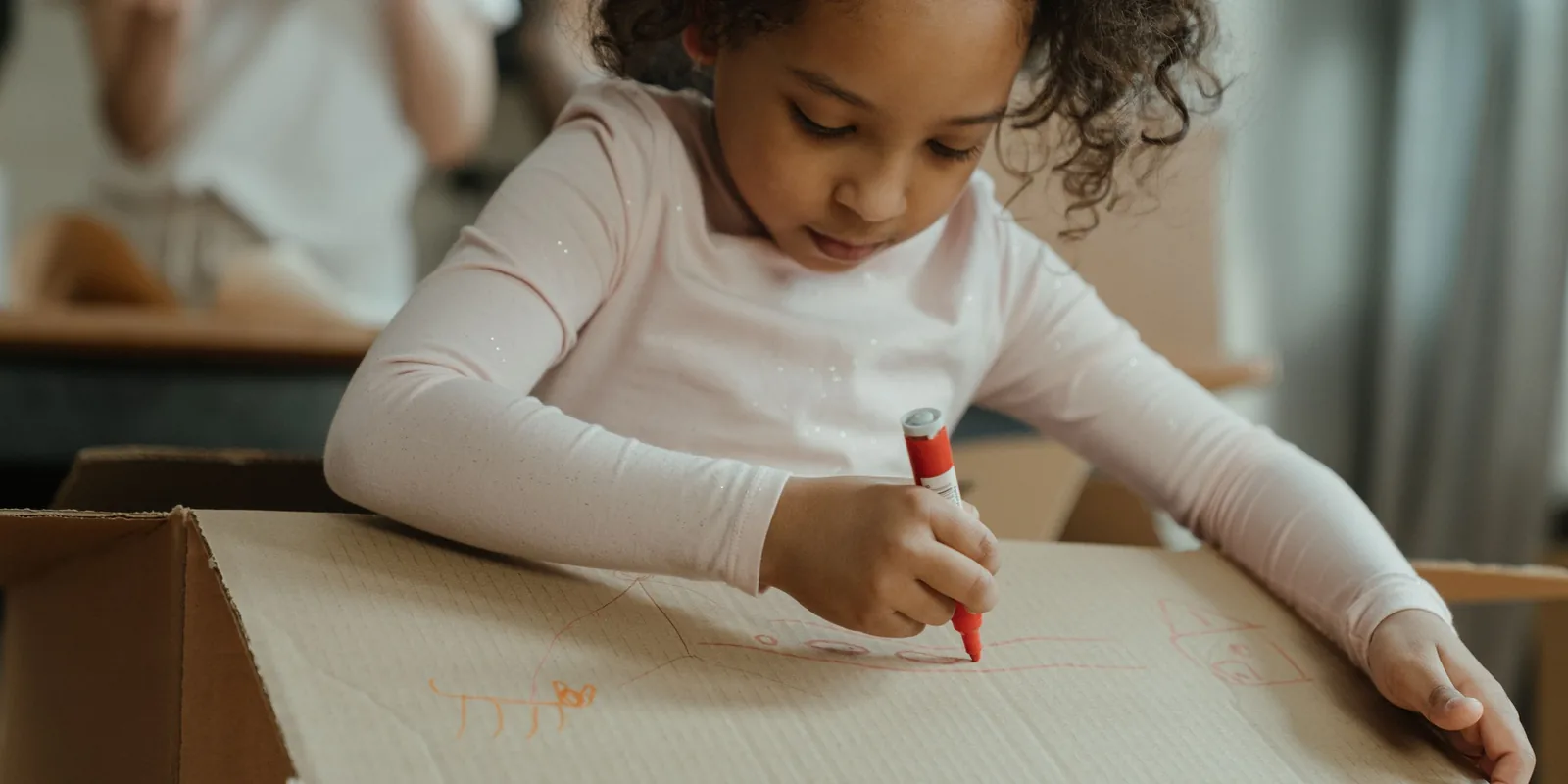
Tape the lid of a cardboard box down and cut a slot in the top, wide enough for a folded slip, so it works like a postbox. Let your child lead on the decorating, then write "worry box" on it. Tear up a pile of slips and leave them beside it with a pen.
The decorating is a good time to listen without asking. Anna Freud's advice on young children is that they usually find it easier to open up while doing something else, like drawing, and that if they don't want to talk, you don't force it.
Then choose where the box will live. YoungMinds says not in or next to their bedroom, but somewhere with a bit of distance, like a kitchen or living room cupboard. If your child worries about things that are really a parent's job, such as money or a poorly grandparent, it can live in your room instead.
When to open it
Once a day at a fixed time, well before bed. YoungMinds offers three choices: a set time every day, a set time every week, or only when your child feels particularly anxious. Whichever you pick, it says to avoid the minutes just before bedtime, so worries have time to settle before sleep.
Early evening works: after tea and before the bath, with an hour or two between closing the lid and lights out. A fixed slot helps for its own sake too. Routines reassure children of every age, according to the NHS, so "worry box after tea" becomes something your child can count on.
The ten-minute routine, step by step
These are the YoungMinds steps. The timings are ours, and they add up to ten minutes.
1. Fetch the box and sit down together (1 minute)
Your child gets the box from its cupboard and you both sit somewhere ordinary, like the kitchen table. Expect a few fidgety laps of the room first.
2. Write or draw today's worries (2 minutes)
One worry per slip, in words or a picture. You can write it while they tell you. A four-year-old's slip may be a drawing of a dog, and that counts.
3. Say each worry out loud (3 minutes)
Your child reads or tells you each one, and you say it back in your own words so they know you've heard. Anna Freud's advice is to listen properly before rushing to reassure. YoungMinds suggests thinking briefly about anything that could help them cope with it; bigger plans can wait.
4. Fold it and post it (1 minute)
Each slip gets folded and posted through the slot. Agree out loud that the box has it now and nobody needs to give it more airtime today. Some children post with ceremony; let them.
5. Close it and put it away (1 minute)
Lid on, or string tied, and your child carries it back to the cupboard. The worries stay downstairs in the box, not upstairs with them.
6. Something good, one pose and a slow breath (2 minutes)
YoungMinds ends on something positive: a thing they enjoyed today, something they're looking forward to, or someone they love. Then lie on your backs in happy baby, holding your feet and rocking side to side, and take three slow breaths together, counting to three on the way in and three on the way out, as the NHS suggests. Expect giggling. It still counts.
Happy baby is pose 13 on the Freedom Flow mat, which means a child who likes numbers can find the closing pose without help.
How long it really takes
The box takes as long as the decorating lasts; a plain shoebox labelled in pen works on day one. The routine is ten minutes on a busy night and three on a quiet one. If there's nothing to post, open the box anyway, say "nothing today", close it and still do step 6. Keeping the slot is what makes it dependable on the days it's needed.
When the box doesn't go to plan
They won't write anything. Leave the lid shut and offer again tomorrow. Anna Freud's advice is not to force it, and to stay close and available instead.
They post fifteen worries. Each gets one sentence from them and one from you, and the timer is a guide. If the list is long every night, that's worth noticing.
The worry has a real answer. "Nobody sits with me at lunch" isn't only a feeling. The NHS advises helping children find solutions, such as making a plan with a friend, and working with the school when the worry is about school. The box holds the feeling; the plan happens tomorrow.
They want it at bedtime. Hold the line kindly: the box opens after tea, and tonight it's doing its job in the cupboard. If the worry comes back at lights out anyway, listen. YoungMinds expects some worries to need talking about outside box time.
Keeping it going
Keep the time and place the same. If the box is forgotten for a fortnight, restart it with a fresh round of decorating rather than a lecture. YoungMinds mentions that some children like a second box for happy thoughts, left open to look through whenever they like, which is a good job for a sibling who feels left out.
As worries thin out, drop to once a week, one of the YoungMinds options. When your child decides an old worry has gone, they can take that slip out and tear it up. That part is our suggestion, not YoungMinds', and plenty of children enjoy it.
If you'd like the box near a quiet spot, it pairs well with a calming corner at home. Box time also fits into an evening bedtime routine, well ahead of the bath.
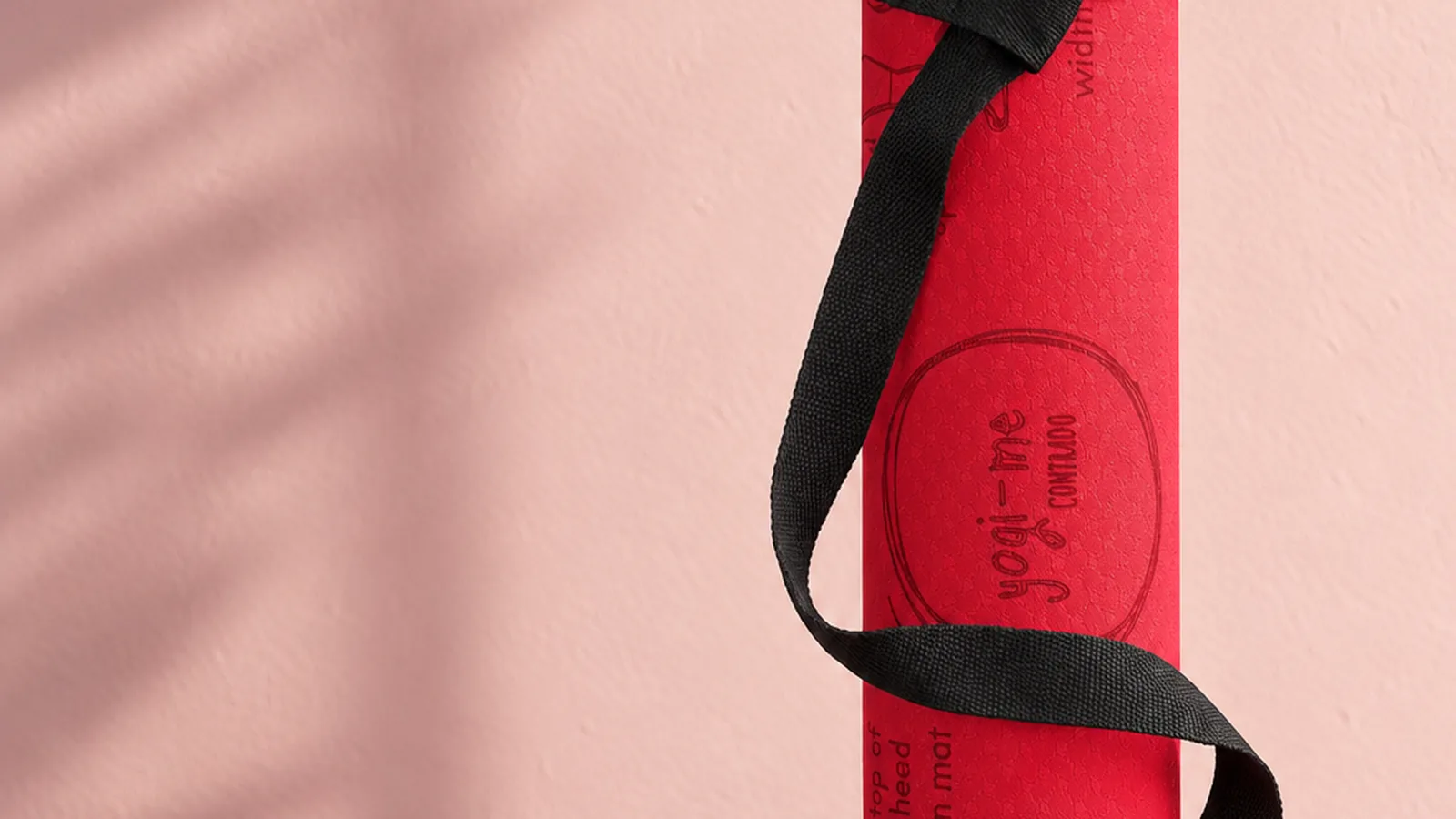
End box time on the floor. The Freedom Flow mat has 15 laser-engraved, numbered poses, happy baby among them at 13, for ages 3 to 8. It's £34.99 with free UK delivery.
When a worry needs more than a box
The NHS is clear that many worries simply come with growing up. It says anxiety becomes a problem when it starts to get in the way of everyday life. That means a worry that is very strong, or getting worse, and won't go away, or one that disrupts daily activities and stops your child doing things they enjoy.
The NHS threshold for getting help is anxiety that is severe, that persists, and that interferes with daily life. Start with your GP, and if school is part of it, tell the school too. To talk it through first, call the free YoungMinds helpline for parents on 0808 802 5544.
One kind of slip never waits for box time. If your child writes or draws that someone is hurting them, or that they don't feel safe, act on it that day. GOV.UK says to contact the children's social care team at your local council if you're worried a child is at risk, to call 999 if the risk is immediate, and that the NSPCC gives adults advice on 0808 800 5000.
For ways to settle a worried child in the moment, see how to calm an anxious child.
Frequently asked questions
What age is a worry box for?
YoungMinds wrote its worry box guide for parents of primary-aged children, and says teenagers can use one too, though they may prefer to make and use it alone. Younger children can still take part: they can draw a worry instead of writing it, or you can write it down for them while they tell you.
Where should you keep a worry box?
Away from where your child sleeps. YoungMinds advises against keeping it in or next to their bedroom, and suggests somewhere that puts a little distance between them and their worries, such as a cupboard in the kitchen or living room. If the worries are really grown-up problems, your own bedroom can be the right home for it.
What do you do with the worries in a worry box?
You leave them there. In the YoungMinds method, once a worry has been said out loud and posted, you agree the box is holding it and give it no more airtime that day. The NHS version has you open the box and go through it together at the end of each day or week instead. Either way, slips can be cleared out once your child agrees a worry has gone.
Is a worry monster the same as a worry box?
It's the same idea in a different shape. A worry monster is usually a soft toy with a zipped mouth that a child feeds their written or drawn worries into. It works the way a box does if you keep the routine around it: a set time, saying each worry out loud with you, and closing the zip afterwards.
Does a worry box help with anxiety?
It can help a child let go of everyday worries, which is how YoungMinds and the NHS present it. It isn't a treatment. Where anxiety is severe, lasts, and stops a child getting on with ordinary days, the NHS suggests starting with your GP, and telling their school if school is part of it.