
guides
Nightmares in Children: Why They Happen and What Helps
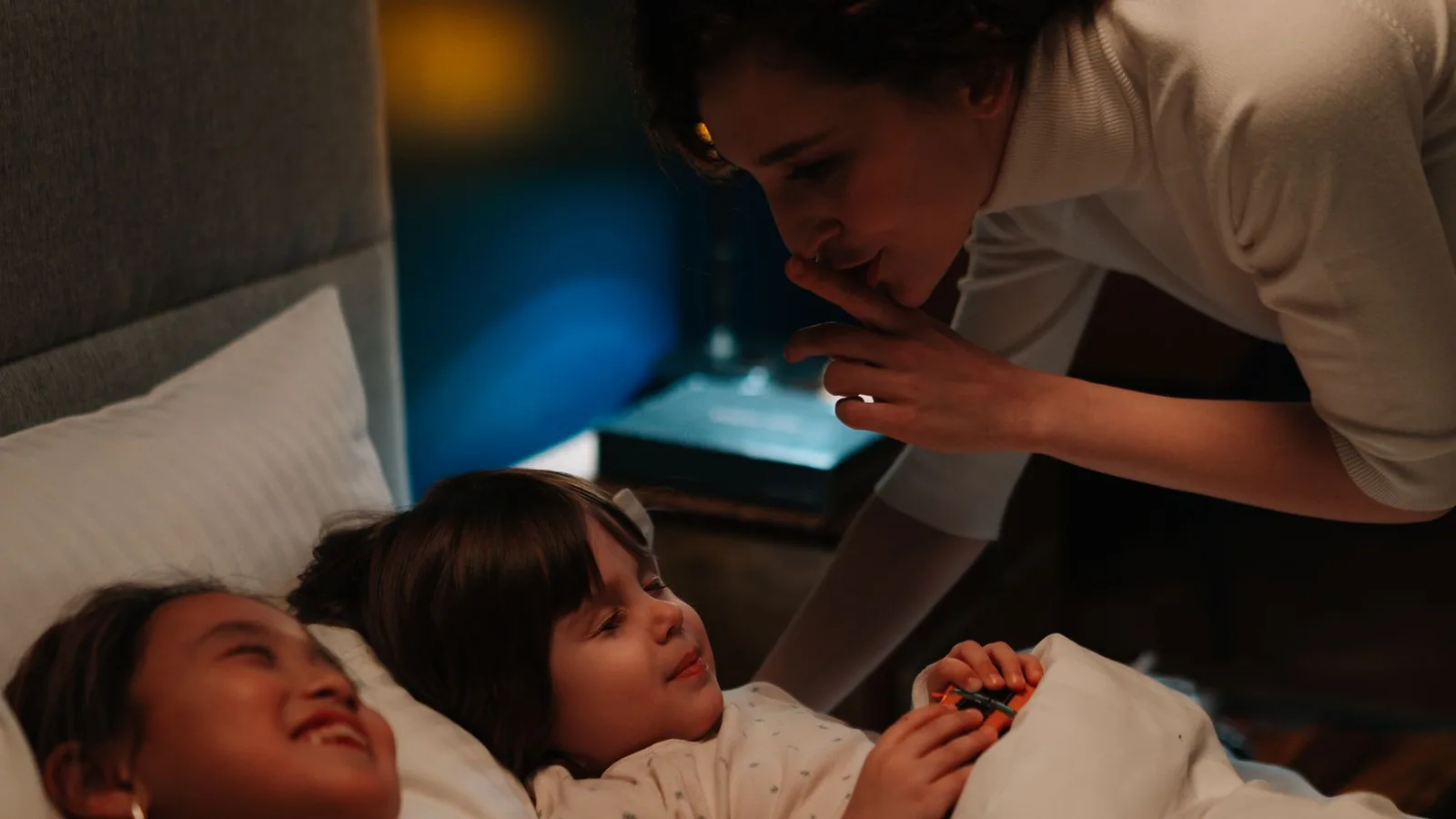
Nightmares in children: what to do after a bad dream, why they happen, how to spot a night terror and when to speak to your GP.
Are nightmares in children normal?
Nightmares in children are common, according to Cambridgeshire and Peterborough's NHS children's health service. When your child wakes frightened, Just One Norfolk's NHS guidance recommends reassurance, low lighting and settling back in bed once calm. For frequent nightmares, the NHS advises seeing a GP.
Cambridgeshire and Peterborough's NHS children's health service lists overtiredness, worries and frightening stories or programmes as possible triggers. Its guidance notes that children find different things scary, so a familiar fairy tale can still be the wrong bedtime choice for your child.
For example, if your child keeps asking you to skip the wolf, choose a different story. You don't have to finish a book just because you started it.
What should you do when they wake at 2am?
Comfort first. Just One Norfolk's NHS advice is to reassure your child, speak quietly and keep the lighting low, then settle them back in bed once they're calm. It also suggests telling them you're nearby and will return if they need you.
Here's a simple way to put that into words:
- Be there: "I'm here. You're in your bedroom with me."
- Offer reassurance: "You had a scary dream. You're safe here."
- Help them settle: "Let's get comfortable in your bed again."
- Explain where you'll be: "I'll be nearby. You can call me."
These are example phrases, not a script you have to get exactly right. Use your child's usual name for you and words they'd recognise in the daytime.
Action for Children recommends showing that you understand their fear and suggests a familiar song or story as possible comfort. You might ask, "Would you like me to sing our usual song?" rather than offer a whole menu of things to do.
Save the detective work for daylight: Just One Norfolk advises against questioning your child about the dream during the night. A full retelling isn't a condition of getting your comfort.
How is a nightmare different from a night terror?
The NHS explains that a nightmare wakes a child and may be remembered, usually later in the night. A night terror happens while they're still asleep, usually earlier: they may scream or thrash with their eyes open and usually won't remember it. During a night terror, the NHS advises staying calm and waiting for your child to settle. Don't try to wake them. Avoid talking to them or trying to stop them moving unless they could hurt themselves or someone else.
Why is my child having nightmares every night?
Every-night nightmares deserve a GP conversation: the NHS advises seeking help when nightmares are frequent. While you're arranging that, The Sleep Charity recommends a sleep diary to spot patterns and share with a health professional. You don't need to identify the cause before making the appointment.
The Sleep Charity suggests recording around 2 weeks. That's a useful observation period, not a requirement to wait before asking for help.
Use a notebook or a note on your phone. Based on the charity's diary guidance, record:
- Getting to sleep, What to write down: Bedtime and roughly when they fell asleep
- Waking, What to write down: Number of times they woke during the night
- The evening, What to write down: Routine, screen use and anything unusually worrying
- The whole day, What to write down: Naps, illness or changes to the usual routine
- The next morning, What to write down: Wake-up time, mood and energy
Add your child's own words if they volunteer them. Keep observations separate from guesses: write "said they were scared of the wolf", rather than deciding what the wolf represents.
Leave gaps when you don't know. A parent shouldn't have to stay awake watching the clock to create a useful note for an appointment.
What can you talk about the next day?
In daylight, offer a conversation rather than a quiz. The Royal College of Psychiatrists suggests talking about a nightmare or drawing it to help uncover what's upsetting a child. Think of this as listening for something you can help with, rather than trying to interpret every detail.
For example, while your child is drawing, you could ask, "Was there anything yesterday that you didn't like?" If they mention a story, ask which part. If they mention something at nursery or school, ask what they'd like you to know.
YoungMinds recommends listening before jumping straight to solutions. Let your child finish the account in their own words.
The Royal College of Psychiatrists notes that worries and difficult experiences, including bullying, can be behind nightmares. If your child describes something happening at school, bring those actual words to a conversation with their teacher. Don't turn a dream alone into an accusation about someone.
Our guide to supporting a child when they feel anxious has more ideas for those daytime conversations. You can keep the question small: "Is there something you'd like help with today?"
What could you change before bedtime tonight?
Start with the evening you already have. The Sleep Charity recommends a predictable routine, ideally beginning an hour before sleep, with screens switched off at the start. Its suggestions include colouring and a shared story. Pick a familiar order that everyone looking after your child can follow.
The NHS suggests starting the winding-down steps about 30 minutes before your child usually falls asleep. That gives you a practical way to organise the evening: screens off first, then the shorter getting-ready routine.
For example, if your child usually falls asleep at 7.30pm:
- 6.30pm: screens off; put out paper and crayons or choose a book together.
- 7pm: begin the usual wash, pyjamas and getting-ready steps.
- Before sleep: share the chosen story and say goodnight.
Those clock times illustrate the guidance; they're not a recommended bedtime for every child. Our bedtime routine for children offers a fuller plan, and our guide to screens before bed covers that part in more detail.
Cambridgeshire and Peterborough's NHS service advises avoiding stories or media your child finds frightening. Let your child swap the book if the story is bothering them.
If gentle floor movement is something your child already enjoys, you can include it as an optional screen-free activity before the getting-ready steps. Explore Freedom Flow for your evening routine: our mostly floor-based design has 15 numbered poses laser-engraved into the surface to follow without a screen. A book or colouring can fill the same slot.
When is it time to ask your GP for help?
The NHS recommends a GP appointment for frequent nightmares, nightmares following a frightening event, or nightmares continuing after age 6. For broader worries about settling and sleep, the NHS's young children's sleep guidance also suggests speaking to your health visitor.
Take any notes you've made, and explain what prompted you to ask. For example: "The nightmares keep happening, and my child is now frightened about bedtime." Add whether you know of anything upsetting that's happened.
Speak to your GP or health visitor if you're worried, even if you can't describe the episodes neatly.
Frequently asked questions
At what age do children start having nightmares?
Northern Ireland's nidirect guidance says nightmares are common at ages 3 to 6, without naming a single starting age. It also explains that a child's ability to remember and describe a nightmare depends on their age. That age range isn't a deadline for a first bad dream.
What if my child has nightmares every night?
The Sleep Charity recommends seeing your GP for persistent nightmares, so seek advice if they happen every night. It also recommends help after a traumatic event. Tell the GP how often they're happening and what your child remembers; you don't have to arrive with an explanation.
Should I leave a light on after a nightmare?
If darkness is frightening your child, Action for Children suggests a nightlight, a dim lamp or some light from the hallway. It advises keeping the light low enough that it doesn't interfere with falling asleep. Keep lamps and their cables out of your child's reach and keep lamps away from bedding and curtains. If the light uses button batteries, check the compartment is securely fastened and keep spare and used batteries out of reach.
Should I make my child tell me about the dream?
No. YoungMinds advises against forcing a child to talk or pushing for answers. Choose a calm moment and do something together, such as drawing. If they aren't ready, give them space and try again another day without insisting on details.
Sources
- NHS: Night terrors and nightmares
- NHS: Sleep and young children
- Just One Norfolk, NHS: Children's Sleep
- Cambridgeshire and Peterborough Children's Health, NHS: Sleepwalking, nightmares and night terrors
- The Sleep Charity: Sleep Diary For Kids
- The Sleep Charity: Bedtime Routines
- Royal College of Psychiatrists: Sleep problems
- YoungMinds: How to talk to your child about mental health
- nidirect: Night terrors
- The Sleep Charity: Night Terrors & Nightmares
- Action for Children: What you can do if your child has nightmares
- Action for Children: How to help soothe your child's bedtime fears