
guides
House Rules for Kids: 25 Examples and How to Set Them
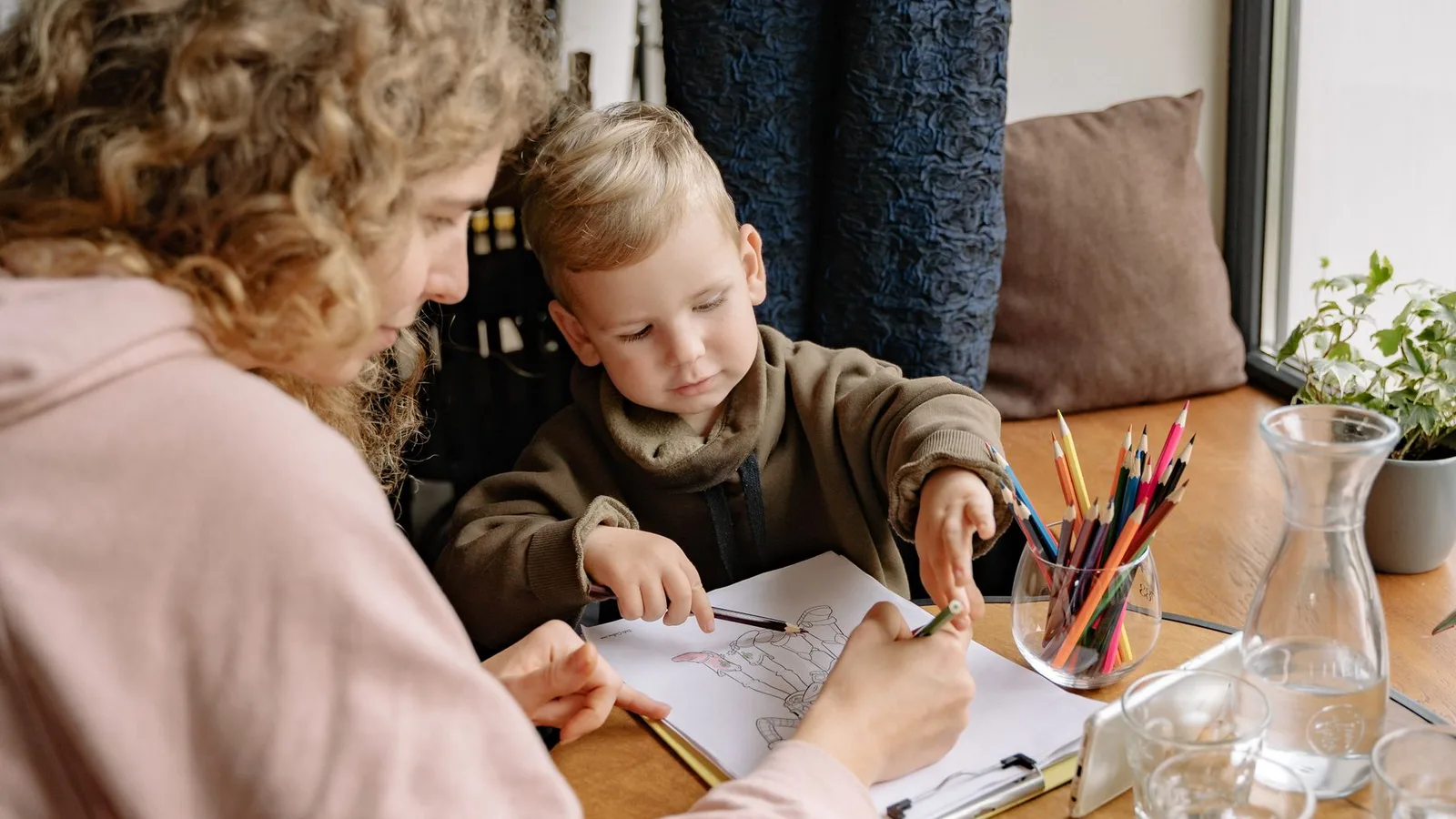
Choose from 25 positive house rules for kids aged 3 to 8, with words to use, a short starter list and fair ways to handle broken rules.
Which house rules are worth starting with?
Useful house rules tell children what to do: walk indoors, use gentle hands, ask before borrowing and put toys away. For children aged 3 to 8, choose a small set to practise together, and make shared rules apply to adults too. Treat these 25 ideas as a menu, rather than a new daily checklist.
How can you agree the rules together?
Give yourselves five minutes with a sheet of paper. Ask what would make home easier, then choose a few rules you can explain and demonstrate. Action for Children recommends involving children in setting and reviewing rules, so leave room for their suggestions.
If your child isn't reading yet, draw a picture beside each rule. An older child could write the words or suggest a fair response when something goes wrong. Add the grown-up's job beside the child's: if toys belong in a basket, that basket needs to be somewhere they can reach.
A poster is optional; you can explain the rules in everyday conversation.
Which of these 25 rules would help at home?
Each heading is wording you can put on a family rules sheet. The examples give you something to say in the moment and a job for the grown-up. Choose rules that address a real sticking point, and leave out any that don't fit your home.
1. Walk indoors
Walking is the indoor default. Say: "Walk with me to the kitchen." Show the pace yourself, and decide where energetic games can happen, so you're giving a usable instruction.
2. Keep hands and feet gentle
Hands and feet stay gentle during disagreements. Say: "Put your hands beside you; I'll help." Adults follow this too. The Welsh Government recommends showing the behaviour you want, including gentle hands.
3. Stop when someone says stop
Stop a physical game as soon as someone asks. Say: "You said stop, so tickling stops." Honour that yourself: children can refuse unwanted touch. It isn't a vote.
4. Ask before hugging
Hugs need a yes. Say: "Would you like a cuddle or a wave?" Accept either answer without persuading. The NSPCC says affection is a child's choice, including with relatives.
5. Ask before borrowing
Check with the owner before taking their things. Say: "Ask whether you can borrow that pencil." Keep a place for belongings that aren't shared, and respect a no yourself.
6. Take turns with shared things
Shared things come with turns. Say: "You're using it now; let us know when you're finished." Agree how turns end before play, and help both children keep the same arrangement.
7. Knock and wait
A closed door means knock first. Say: "Knock, then wait for an answer." Practise with a bedroom door and let your child swap roles. Adults should give the same courtesy where possible.
8. Describe the problem without name-calling
Talk about what happened without insulting the person. Say: "Tell me what went wrong without calling them names." Offer a replacement: "I wanted a turn." Use that approach during adult disagreements too.
9. Give everyone a turn to speak
Conversation goes both ways. Say: "Let me finish this sentence, then it's your turn." Pause properly for their reply. Make an exception clear: "If someone's hurt or needs help, interrupt me."
10. Tell what really happened
Mistakes can be talked about. Say: "Tell me what happened to the drawing." Start by listening, then decide what needs fixing. Hear the whole account before deciding how to respond.
11. Bring worries to a trusted grown-up
Help is available when something feels wrong. Say: "You can tell me, even if somebody said to keep it secret." The NSPCC recommends talking to a trusted adult about uncomfortable experiences.
12. Help put things right
Help with repairs after an accident. Say: "The cushions fell over; let's rebuild the den." Offer a manageable part of the job, rather than making the whole repair your child's responsibility.
13. Put toys back in their homes
Give toys a place to return to. Say: "The cars go in this basket." Join in while you explain the job. Make the instruction specific instead of saying "Tidy everything".
14. Save unfinished creations in the agreed spot
Choose somewhere work can wait. Say: "Put the unfinished picture on this shelf." Agree what can stay out and until when. Adults should check before clearing away something saved there.
15. Put shoes and coats in their place
Agree where outdoor things belong. Say: "Shoes on the rack, coat on your hook." Put the hook within reach, or help with it. Use the same place for your own things.
16. Put dirty clothes in the basket
Laundry has a destination. Say: "Your socks go in the laundry basket." Show where it is and help if needed. Keep the request to the clothes they've just taken off.
17. Keep drawing on the paper
Give art a clear home. Say: "The crayon stays on this paper." Put enough paper out before starting, and join in if they want company. Agree separately where chalk or paint can go.
18. Help with a household job
Choose a small shared task. Say: "I'll fold the towels; you can match the socks." Show what finishing looks like, and do your part alongside them. Change the job when needed.
19. Wash hands before eating
Make handwashing part of coming to the table, as Action for Children suggests in its personal-care rules. Say: "Let's wash our hands, then sit down." Go with your child and help where needed.
20. Match your voice to the room
Choose a volume that fits what's happening. Say: "We're talking quietly while someone is resting." Show what you mean. Leave room for singing and noisy play when the space allows it.
21. Finish screens at the agreed point
Agree the finish before switching on. Say: "When this episode ends, we'll put it away." Help with the changeover. Government guidance for under-5s recommends clear screen boundaries.
22. Put screens away during meals
Give devices somewhere else to wait. Say: "Phones and tablets stay over there while we eat." Do it yourself too. Government guidance for under-5s recommends screen-free mealtimes.
23. Ask for a pause
Make asking for a break an option. Say: "You can ask to sit with me for a moment." Offer company or some space nearby, and return to the unfinished conversation afterwards.
24. Let people have different favourites
Different tastes are allowed. Say: "You like drawing; they like dancing. We can make room for both." Let someone dislike a game without calling them boring or insisting they change their mind.
25. Grown-ups say sorry too
Adults repair their own mistakes. Say: "I interrupted you. I'm sorry; finish what you were saying." The Welsh Government recommends apologising when you've been cross. Keep the apology free of excuses.
Which few should you try together?
Start with the part of the day causing the most friction, and choose a small group of rules for that situation. You can use the combinations below as starting points, then swap anything that doesn't fit. Keep the wording somewhere everyone doing the caring can see it.
- For toy arguments: try asking before borrowing, taking turns and helping put things right. Agree which things are shared before play starts, and practise the words for asking.
- For scattered mornings: choose a home for toys, shoes and coats, and dirty clothes. Walk through where everything belongs together, and check that the storage is reachable.
- For evening screen disputes: agree the finishing point, put devices away for meals and allow a pause during disagreements. Our family screen time agreement gives you a fuller plan.
For an optional screen-free activity after devices go away, explore Yogi-Me's mats, with 15 numbered poses laser-engraved into the surface for ages 3 to 8.
What if your child refuses to follow a rule?
Repeat the action you need, then help your child take the next step. For example: "The cars belong in the basket. I'll pick up the red ones with you." Check whether the wording or the task needs changing before you add another rule or consequence.
The NHS notes that tiredness, hunger and frustration can lie behind difficult behaviour. It also recommends consistent responses and specific praise.
Explain consequences beforehand and follow through. For example, pause drawing if crayons keep going on the wall, then offer another go together later.
For recurring arguments, our guide to handling sibling fights goes into more detail. If you're worried about your child's behaviour or development, speak to your GP or health visitor.
Frequently asked questions
How many house rules should you have for young children?
Try three to start with, chosen from the problems you actually need to solve. That's a practical starting point, not a developmental limit. For example, choose gentle hands, asking before borrowing and putting toys away. Add another only when you can explain why your family needs it.
How do you write house rules positively?
Name the action you want: 'Walk indoors', 'Put clothes in the basket' or 'Ask before borrowing'. Keep each rule short enough to say in the moment. If a rule says 'Be good' or 'Show respect', ask yourself what your child would actually do to follow it.
Should children help choose the family rules?
Yes. Let them help choose the wording and where the rules go. For example, they could draw a shoe beside 'Shoes on the rack', or choose a basket instead. Ask which rule grown-ups should practise too. Keep essential safety decisions with the adults.
What is the 3, 6, 9, 12 rule for kids?
It's Serge Tisseron's screen-use framework, organised around ages 3, 6, 9 and 12. Its original version proposed no screens before 3, no personal digital device before 6, supported internet access from 9 and solo internet after 12. These are suggested stages. For current UK advice on young children, use Best Start in Life.
Can you leave a 10-year-old home alone for 10 minutes in the UK?
The NSPCC advises against leaving under-12s home alone, particularly for longer periods. UK law sets no fixed minimum age, but leaving a child alone mustn't put them at risk. A 10-minute errand isn't a safety exemption. Arrange an adult or childcare if you're unsure your child is ready.
Sources
- Welsh Government: model the behaviour you want to see
- Welsh Government: your child aged 3 to 5
- Action for Children: setting rules and boundaries
- NHS: dealing with child behaviour problems
- NSPCC: answering children's questions about body boundaries
- Best Start in Life: screen time guidance for under-5s
- Association 3-6-9-12: the original framework and later guidance
- GOV.UK: the law on leaving your child on their own
- NSPCC: leaving your child home alone