practice
Fine Motor Skills Activities: 30 for Ages 2 to 6
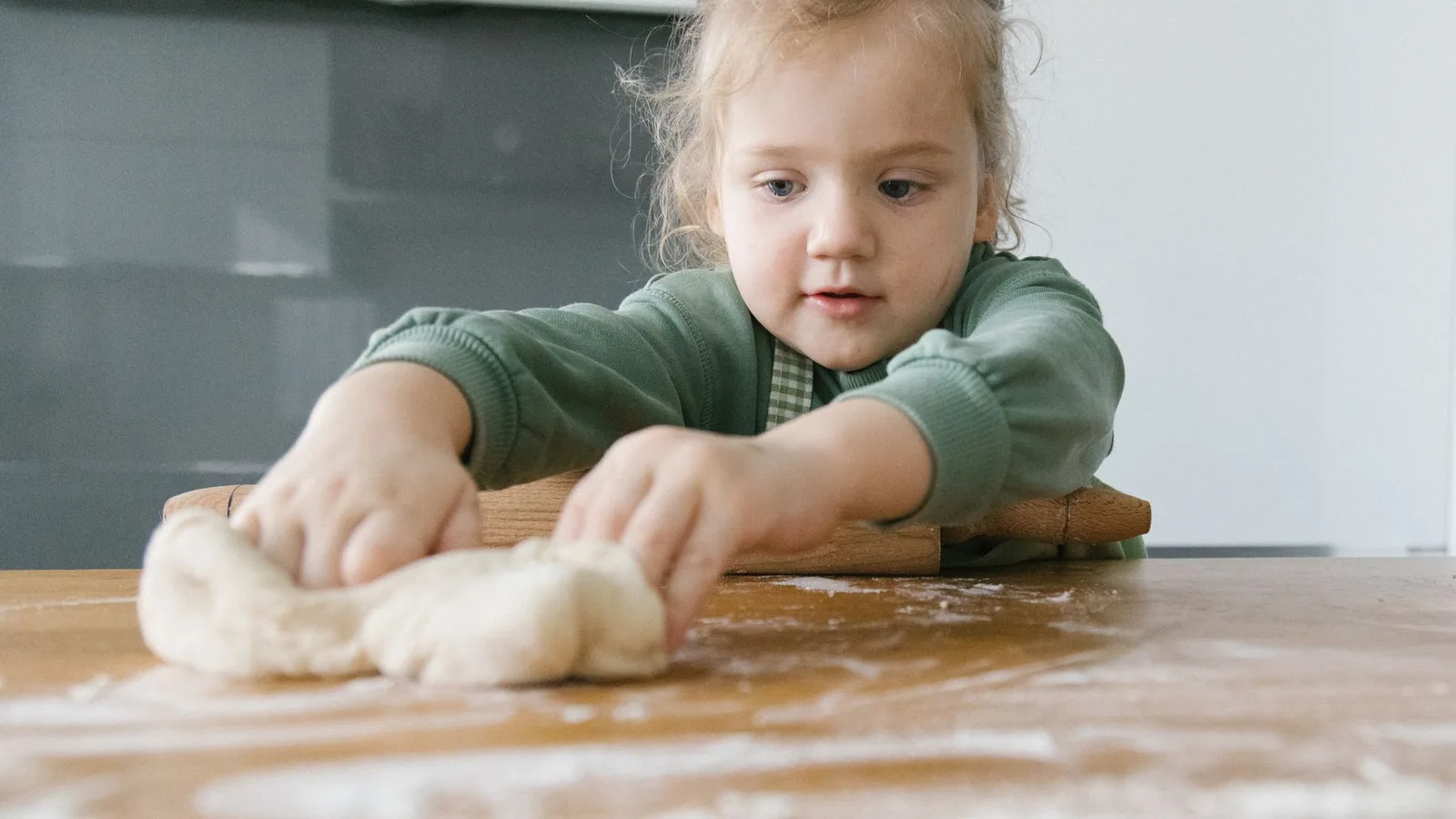
Try 30 fine motor skills activities for ages 2 to 6, sorted by pinch, grip, two hands and wrist movement, using everyday household kit.
Which hand activities can you try at home?
Fine motor skills activities include squeezing playdough, weaving paper, pouring water and stirring with a spoon. Pick something your child wants to try, then adapt the materials. These 30 ideas for ages 2 to 6 use household kit, grouped by hand movement, following the Department for Education's emphasis on practical play.
The ages below are suggested starting points, not milestones. Start anywhere. Use larger handles, wider openings or softer materials when needed, and follow equipment age labels.
Before you start: stay alongside your child. Keep small objects away from under-3s and children who mouth things: the NHS explains the choking risk. Clear torn scraps as you go. Our threading uses paper, avoiding the long cords highlighted by the Child Accident Prevention Trust. For playdough, check ingredients against known allergies, as Conwy's sensory-play guidance advises.
What can they pinch, peel and pick up?
These activities use fingertips for small, deliberate movements. Bringing thumb and index finger together is called a pincer grasp, explained in Alder Hey's hand-skills guidance. Choose the game your child likes, then offer a bigger tab or edge if picking it up proves fiddly.
1. Peel a tape trail
From 3. Stick masking tape across a cereal box, leaving folded tabs. Say, "Pinch the tab and peel backwards." Let your child decide where the next strip goes.
2. Give a dough dinosaur spikes
From 3. Roll playdough into a chunky sausage on a dinner plate. Say, "Pinch spikes along its back." Keep the spikes attached, then squash the dinosaur and start again.
3. Make a peg fringe
From 4. Clip clothes pegs around a cereal-box square. Say, "Squeeze, slide on, let go." Keep pegs and loose components away from under-3s because of the small-parts choking risk.
4. Turn the recipe pages
From 2. Open a sturdy recipe book together. Say, "Find the corner and turn this page." Lift the corner for them initially; let them choose the next picture.
5. Tear paper roads
From 3. Use scrap paper from the kitchen drawer. Say, "Hold here and tear a road." Start a tear yourself, then arrange the broad strips into a pretend town.
6. Lift cardboard tickets
From 3. Cut large rectangles from a cereal box before play. Say, "Pick up a ticket by its corner." Stack them beside a pretend bus made from a food container.
7. Fold napkin corners
From 2. Spread a cloth napkin flat. Say, "Pick up this corner and bring it to that one." Open it again and invite your child to choose another corner.
Which games give the whole hand a job?
Gripping activities involve more of the hand than fingertip picking. Alder Hey recommends play involving gentle resistance to develop hand strength, keeping activities short. Here, the job might be squeezing a sponge or controlling tongs. Offer help with stiff tools rather than making it a strength contest.
8. Squeeze a sponge
From 2. Put a clean sponge and a little water in a baking tray. Say, "Make it drink, then squeeze it dry." Use a shallow plastic bowl as the target.
9. Scrunch paper parcels
From 3. Give your child a whole sheet of scrap paper. Say, "Scrunch it into a parcel." Deliver the large parcels into a saucepan, then open them for another go.
10. Serve with tongs
From 3. Put folded flannels in a bowl with kitchen tongs. Say, "Serve a flannel onto each plate." Choose tongs your child can open; use hands first if needed.
11. Squash dough pancakes
From 3. Put a lump of playdough on a tray. Say, "Squeeze it, then press a pancake." Make a pretend stack and let your child choose the next pancake's shape.
12. Press kitchen cutters
From 3. Flatten playdough and offer a large biscuit cutter. Say, "Hold the top and press down." Lift the shape onto a plate; skip decorating it with small loose objects.
13. Make crayon rubbings
From 3. Place paper over corrugated packing card. Say, "Rub the crayon sideways and see what appears." Offer a chunky crayon from the kitchen drawer and let them choose colours.
14. Pull a cloth from a box
From 2. Tuck a tea towel loosely into an empty tissue box. Say, "Hold it and pull it out." Leave plenty showing, then let your child refill the box.
What helps both hands work together?
Give each hand something to do: one holds the bowl while the other stirs, or both push a rolling pin. NHS guidance describes these two-handed tasks as bilateral coordination. In the activities below, demonstrate the holding hand as well as the hand doing the action.
15. Roll a dough road
From 3. Put playdough on a tray and offer a rolling pin. Say, "Both hands on, roll away and back." Make a broad road for a finger to travel along.
16. Fold a paper fan
From 4. Use a sheet of kitchen-drawer paper. Say, "Fold, turn over, fold again." Make the first folds together, then open the fan and try it on your cheeks.
17. Weave a paper placemat
From 4. An adult cuts wide slots in a cereal-box panel. Say, "Over, under, over, under." Weave broad paper strips through; start with fewer slots if the pattern feels fiddly.
18. Thread cardboard rings
From 4. An adult cuts large rings from cereal-box card. Say, "Feed this broad paper strip through the rings." Keep it as a tabletop chain, with no string or beads.
19. Snip a paper fringe
From 3. Offer paper and child-friendly scissors, supervising throughout, as Somerset NHS advises. Say, "Hold the paper here and make little snips." Begin with separate snips along the edge.
20. Wrap a pretend present
From 4. Put an empty food box on scrap wrapping paper. Say, "Hold this fold while you tuck that end." You can supply tape while they manage the folds.
21. Draw around a pot
From 4. Put an upturned plastic food pot on paper. Say, "Keep the pot still and draw around it." Try a large pot before choosing a smaller shape.
22. Open the lunchbox
From 2. Offer an empty lunchbox with an easy fastening. Say, "Hold the box and lift the flap." Leave it partly open at first, then close it a little further.
23. Spoon between bowls
From 2. Set plastic bowls inside a tray with a little water. Say, "Hold this bowl and spoon into that one." A small serving spoon gives you another tool to try.
Which activities involve turning and wrist control?
Turn a lid, tip a cup or rotate a spoon: these jobs combine hand, wrist and arm movements. NHS occupational therapy resources include opening containers, pouring and card games. Start with empty containers or a little water, then change the task when your child wants another challenge.
24. Twist a tub lid
From 3. Use a clean plastic food tub with a wide screw lid. Say, "Hold the tub and turn the top." Loosen it first; avoid small bottle caps.
25. Pour a pretend tea
From 2. Stand a plastic cup and small jug in a baking tray. Say, "Tip slowly, then stand the jug up." Begin empty before adding a little water.
26. Stir a kitchen potion
From 2. Put a little water in a plastic bowl with a wooden spoon. Say, "Hold the bowl and stir around." Swap directions when your child wants a change.
27. Whisk the water
From 4. Offer a small kitchen whisk and a bowl of water on a tray. Say, "Keep the bowl still and make circles." Compare the movement with a spoon.
28. Twist a damp flannel
From 4. Place a damp flannel over a bowl. Say, "Hold an end in each hand and twist." Start with a loosely folded cloth rather than a tight bundle.
29. Flip cloth pancakes
From 4. Put folded flannels on a tray with a kitchen spatula. Say, "Slide underneath, lift and turn." Use your other hand to steady the pretend pancake when needed.
30. Turn picture cards
From 3. Draw pictures on large cereal-box rectangles and place them face down. Say, "Turn a card over to find the picture." Let your child choose what to draw next.
Where do shoulders fit into hand skills?
Hand skills involve the whole body. The Department for Education links fine motor development with gross motor skills and core strength, while NHS hand-skills guidance includes play on hands and knees. Offer crawling or reaching alongside table play, without making children pass a movement test first.
For more whole-body play, try our gross motor activities or crossing-the-midline games.
How can you combine a few without making it homework?
Choose a small selection with a shared purpose: run a pretend café, wrap a present or make something for the table. The timings below are suggested plans, not a developmental target. Stop earlier if your child has finished, or keep going when they're absorbed.
- A five-minute café: squeeze the sponge for one minute, serve flannels with tongs for two, then pour pretend tea for two.
- A ten-minute making session: spend three minutes weaving a placemat, three wrapping a box and four drawing a picture for the parcel.
Let your child repeat a favourite instead of completing the set.
If they enjoy a movement break too, explore our children's yoga mat for ages 3 to 8, with 15 numbered poses laser-engraved into the surface.
How could a nursery set up a funky fingers station?
Make your funky fingers station a small, inviting selection of hand activities: a tray for squeezing, another for paper work and another for tools. Put out a finished example, demonstrate the action and let children choose. Start with familiar materials before adding a different challenge.
Try sponge squeezing, weaving and tongs with flannels. Help hold the material when needed; add a pattern for another challenge.
For settings using the Early Years Foundation Stage (EYFS), remember that this framework applies to England.
What if they'd rather not have a go today?
Offer a real job instead: open the lunchbox or turn the recipe page. Sit alongside them without turning every movement into a performance. If they decline, put the materials away. The NHS advises following readiness and avoiding comparisons; another child's neat cutting needn't set your timetable.
Try changing the material, too: a flannel instead of dough, or a large box instead of fiddly paper.
If you're worried about hand skills, speak to your GP or health visitor and discuss it with nursery or school. Seek advice urgently if your child loses skills they previously had.
Frequently asked questions
What are 5 examples of fine motor skills?
Five examples are using a spoon, fastening a button, turning a page, drawing and cutting with scissors. These involve controlled movements of the hands and fingers. NHS hand-skills guidance includes everyday tasks like these, so practising can happen during meals, dressing and play.
How can I improve my child's fine motor skills at home?
Offer a small, useful job: open the lunchbox, fold a napkin or stir a mixture. Show the action, then give your child a turn. The NHS advises following your child's readiness and avoiding comparisons. If an activity isn't working, leave it and try again another time.
When should a child use scissors?
Children can start learning around age 2, says Somerset NHS guidance. Use child-friendly scissors and supervise every attempt. Begin with opening and closing the blades, then little snips, progressing at your child's pace. Cutting neatly along a line is a later step.
Is playdough good for fine motor skills?
Yes. Squeezing, rolling and pinching playdough can help develop hand strength and coordination, as Westmorland and Furness Council explains. Try making a pancake or rolling a sausage. If your child doesn't want to touch the dough, offer a rolling pin or spoon and let them choose whether to join in.
Sources
- Department for Education: Fine motor skills
- Alder Hey: Fine Motor Skills Five Steps to Function
- NHS Bedfordshire and Luton: Hand skills
- NHS Bedfordshire and Luton: Developing your child's cutlery skills
- Somerset NHS: Scissor skills
- North East London NHS Foundation Trust: Occupational therapy resources
- NHS: How to stop a child from choking
- Child Accident Prevention Trust: Toy safety
- Conwy County Borough Council: Sensory play guidance
- GOV.UK: Early years foundation stage
- NHS: Teaching your child everyday skills
- West Yorkshire NHS Healthier Together: Child development
- Westmorland and Furness Council: Playdough play