
guides
Bug Hunt: How to Run a Minibeast Hunt With Kids
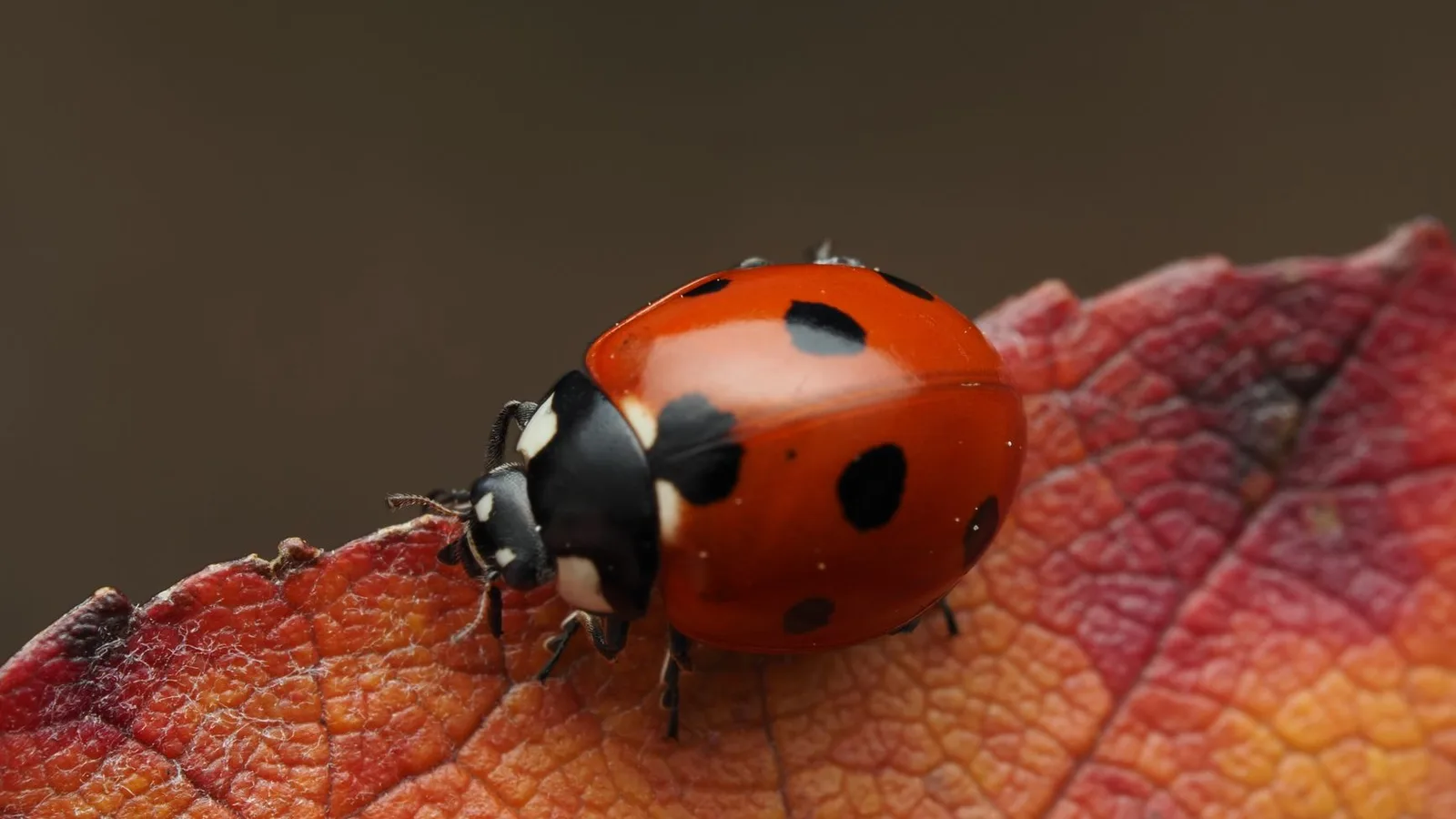
Plan a bug hunt with a simple 30-minute route, a picture checklist and seasonal spotting tips, including what to look for in November.
How do you start a bug hunt?
For a short outing before tea, run a bug hunt in a small patch of garden or park: look for minibeasts, watch what they do, then try another hiding place. Take a picture checklist and an optional magnifier. Follow the 30-minute plan below, returning any creatures you move to where you found them.
You don't need to turn it into a big expedition. Start close to home; save our other outdoor activities for young children for another afternoon.
Can you go bug hunting in November?
Yes. The RSPB lists bug hunting as an all-year activity, so November needn't mean putting the checklist away. Choose a daylight gap that suits you and start with sheltered, damp places. Use the seasonal examples below to decide where to spend your time.
- Common woodlouse, Where to look: Beneath garden stones; When to look: January to December
- Flat-backed millipede, Where to look: Under stones and in rotting wood; When to look: January to December
- White-lipped snail, Where to look: Damp garden spots and hedges; When to look: January to December
- Seven-spot ladybird, Where to look: Gardens, parks and hedges; When to look: March to October
In November, start with the first three. These are examples of particular species, not a checklist you have to complete.
What should you take for a closer look?
Keep the kit small: a clear pot, a spoon or soft paintbrush, a magnifier and a pencil are optional helpers. The Woodland Trust suggests these sorts of tools for examining finds. You can also leave every creature where it is and simply watch.
Supervise use of the magnifier and never look at the sun through it. Put it away out of direct sunlight after use: lenses can concentrate sunlight and start fires.
Print the Woodland Trust's picture checklist for children who aren't reading yet. Let them point to a matching picture and add a pencil mark. The sheet has no woodlouse picture, so leave space to draw finds that aren't shown. No printer? Draw a few creatures together before leaving.
If an under-3 joins you, keep small stones and loose kit parts out of reach: the Child Accident Prevention Trust warns that small objects can cause choking. Leave creatures that might bite or sting alone, following Forestry England's handling guidance.
How does the 30-minute bug hunt work?
Allow 30 minutes from gathering the kit to the last quiet look, plus travel time. These are suggested timings, so swap time between stops if something catches your child's attention. Choose a patch with handwashing nearby and stay alongside your child.
1. Pack and choose your patch, 3 minutes
Gather your kit and say, "We'll look between this bench and that tree," choosing somewhere you're allowed to explore. Your child may want to run straight to the far end, so walk the boundary together first and agree where you'll start looking.
2. Choose your picture clues, 4 minutes
Show your child the sheet and say, "Pick three pictures you'd like to look for, and we'll see what else turns up." They may choose only flying creatures, so use the seasonal table to suggest adding something you can look for near the ground.
3. Explore a damp corner, 6 minutes
Look beside fallen leaves, then say, "I'll lift this small stone while you look underneath," replacing it gently afterwards. If your child wants to shift a heavy log, leave it in place: Forestry England says to leave stones and logs you can't easily move.
4. Try a different hiding place, 6 minutes
Move to a plant and say, "Let's look closely at the leaves," where the Woodland Trust suggests looking for caterpillars and ladybirds. Your child might become absorbed in a leaf instead, so ask what they've noticed before suggesting a look at the next plant.
5. Look closely and return, 5 minutes
For a closer look at a woodlouse, gently guide it into the pot with a soft paintbrush, study it briefly, then return it exactly where you found it. If your child wants a whole collection, photograph each find instead; keep this an observation stop and leave slugs, snails and worms where they are.
6. Record your favourite and pack away, 4 minutes
Say, "Show me your favourite find," and invite your child to circle its picture or draw what they saw. If they prefer telling you, write their words for them, then wash hands and equipment before putting the kit away, as Forestry England advises.
7. Finish with a still watch, 2 minutes
Sit together and say, "Let's see what moves while we stay still," looking at a nearby patch of ground. If your child wants to narrate everything, let them whisper their discoveries; there's no need to count creatures, finish the sheet or make this into a silence competition.
What if you only have a few minutes?
Shorten the search, rather than squeezing every stop into less time. Choose a picture, inspect a patch together and finish with a quiet look. You can leave the pot at home and watch everything in place, then pack away and wash up as usual.
The half-hour plan is an option, not a minimum. A brief look before heading home still counts as your bug hunt.
What if your child refuses or you find nothing?
Give your child a different job before abandoning the outing: picture finder, photographer or the person who chooses the next patch. They don't have to touch anything. If the checklist becomes a demand to find every creature, fold it away and follow whatever has caught their interest.
If nothing appears, compare the places you've checked. Was the ground dry or damp? Were you looking in open grass or beside shelter? Say, "We didn't spot anything here today," and leave it at that.
For a different sort of search, try our scavenger hunt ideas. You can look for colours and shapes instead of waiting for something to crawl into view.
How do you make the next hunt easy?
Keep the clean kit and checklist together, and choose a familiar spot to revisit. On the next hunt, ask what looks different before getting the sheet out. You can add the date and weather to a drawing, without turning it into a daily project.
After a gap, start from whichever part your child enjoyed: searching, drawing or watching.
For a separate indoor movement game after your hunt, try the animal poses on Yogi-Me's Sun Salutation design. Explore the mats for your indoor follow-on, with 15 numbered poses laser-engraved into the surface.
Frequently asked questions
Can you do a bug hunt without a garden?
Yes. Try a local park or another green space you're allowed to explore. Follow local signs and leave the patch as you found it. The Countryside Code applies to England and Wales; Scotland and Northern Ireland have separate guidance. A familiar patch beside your usual walking route is a practical starting point.
How can you make a bug hunt interesting for older children?
Give them the job of drawing a map of the search patch and marking where each find appeared. They can add a short description or photograph beside each mark. If they're interested, revisit the same route on another day and compare their records, without setting a target number of finds.
What if you can't identify a minibeast?
Leave the name open and describe what you can see: its colour, shape, movement and where you found it. Take a photograph to compare with a wildlife guide later. Writing 'small brown creature under a leaf' is a useful record; you don't need to guess a species.
How can you adapt a bug hunt for nursery children?
Keep the search to a familiar patch and let children point to pictures rather than write names. Offer simple prompts such as 'Where did it go?' or 'What colour can you see?' An adult can write down the children's own descriptions, keeping the record in their words rather than turning it into a naming quiz.
Sources
- RSPB: Minibeast and bug safari
- Woodland Trust: Minibeast hunt
- Woodland Trust: Picture checklist
- The Wildlife Trusts: Common woodlouse
- The Wildlife Trusts: Flat-backed millipede
- The Wildlife Trusts: White-lipped snail
- Buglife: Seven-spot ladybird
- Forestry England: Forest Code for Minibeast Hunting
- Child Accident Prevention Trust: Choking prevention
- GOV.UK: Countryside Code for visitors