guides
Activities for 7 Year Olds at Home: 12 Games and Projects
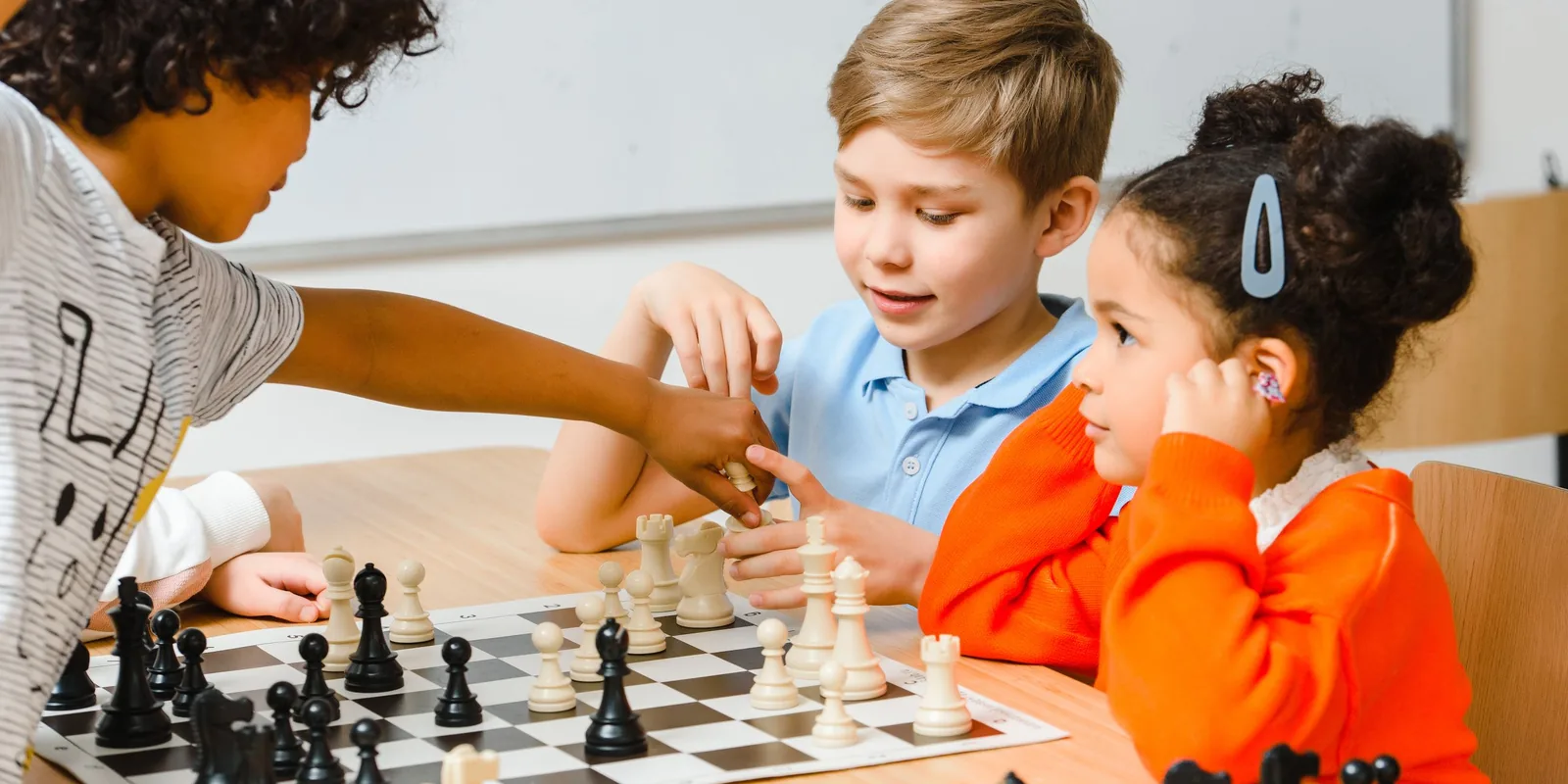
Activities for 7 year olds at home: 12 screen-free games and projects with fair rules, real scores and something finished by Sunday.
Hand a seven-year-old the rule book and they'll play for an hour, so these 12 activities for 7 year olds put them in charge of it: games with a score they keep, tests they run fairly, and projects finished by the weekend. They're screen-free things to do with a 7 year old at home, using what's already in the kitchen drawer.
Why do seven-year-olds care so much about fair?
Because at seven, rules start to make sense from the inside. The American Academy of Pediatrics says that at this age most children begin to understand more about rules and relationships, act with much more independence and want to make more of their own choices. Good activities for a 7 year old give them all three: a rule to set, a result to measure, a job that's theirs.
School is moving on at the same time. In England, Year 2 (age 6 to 7) is the last year of Key Stage 1 and Year 3 (age 7 to 8) is the first year of Key Stage 2, according to the government's key stage table. So a seven-year-old is on one side of that line or the other. One still in Year 2 may also enjoy our activities for 6 year olds.
Movement still matters. For anyone aged 5 to 18, the NHS asks for an average of at least 60 minutes of moderate or vigorous activity a day across the week, so the first group below gets them off the sofa.
Twenty minutes, an afternoon or all week?
Choose by the time you've got, not by what sounds educational. That's the simplest answer to how to keep a 7 year old entertained: the list below runs from twenty-minute games to projects that take the whole week.
At a glance:
- They can run it while you cook: ramp racers, the shadow show, the weather week, the family newspaper.
- Needs two players or more: the handicap league, times-table battle, design a board game, the Saturday café.
- Needs a tape measure, scales or a torch: guess the weight, paper plane trials, ramp racers, the shadow show.
- Spread over the week: design a board game, the weather week, the family newspaper, the Saturday café.
Straight in from school, try the handicap league, then the scorecard, then times tables on the sofa. On a wet Saturday, fly paper planes in the morning, cook at lunch and put on the shadow show once it's dark. For a week off school, start the weather chart on Monday and open the café on Saturday; our half term activities at home cover the days in between.
12 games and projects for 7 year olds at home
Twenty minutes: games with a fair score. The best games for 7 year olds at home have a score you can argue about. Key Stage 2 PE asks children to play competitive games, modified where appropriate, and Year 2 maths teaches tally charts.
1. The handicap league
Penalties with a soft ball, into the gap under the sofa or between two cushions. Everyone takes five shots. The youngest shoots from closer, and your seven-year-old decides how much closer, which is the clever bit. Keep the score as a tally on the fridge. Next week, they can change the handicap if it wasn't fair.
2. Times-table battle
Take the picture cards out of a pack. Two players each turn over a card at the same time; first to say the two numbers multiplied together wins both cards. Year 2 covers the 2, 5 and 10 times tables, and Year 3 adds 3, 4 and 8, so agree which cards count before you start.
3. The ten-breath scorecard
They write the rule first: a pose only scores if it's held for ten slow breaths, counted out loud by a judge. Then work through all fifteen, starting at mouse (1) and finishing at dancer (15), on our Sun Salutation mat, ticking a scorecard as you go. Tree, eagle and dancer are where the arguments start. No mat? Number five animal shapes on scraps of paper and score those instead. For more, see our guide to starting yoga with your child.
4. Guess the weight
Five things from the kitchen cupboard: a tin of beans, a bag of pasta, an apple. Everyone writes a guess in grams, then your seven-year-old weighs each one on the kitchen scales and reads out the answer. Closest guess scores a point. Year 2 maths asks children to estimate and measure mass in kilograms and grams.
An afternoon: make it, then test it. Lower Key Stage 2 science includes carrying out simple comparative and fair tests. A fair test changes one thing at a time and keeps everything else the same, so you know what made the difference.
5. Paper plane trials
Fold three designs. Fly each one three times from the same line on the carpet, measure how far it went with a tape measure, and write it in a table. Then change one thing, a paperclip on the nose, and fly again. That's a fair test, and they'll argue about the results all afternoon.
6. Ramp racers
A toy car or a cotton reel rolls down a tray propped up on books. Race it onto carpet, then the kitchen floor, then a towel, measuring how far it rolls each time. Same tray, same height, same car: only the surface changes. Year 3 science asks children to compare how things move on different surfaces.
7. The shadow show
A torch, a bare wall and card puppets taped to straws. Move a puppet closer to the torch and its shadow grows; move it back and it shrinks. Year 3 science asks children to find patterns in how shadows change size. Then they write a three-minute show, turn the big lights off and perform it.
8. They cook, you assist
A savoury lunch from a recipe they read out loud: cheese on toast, a wrap, an omelette with you at the hob. They weigh, measure, set the table and serve. You keep the oven and the sharp knives. Key Stage 1 design and technology in England teaches children to prepare simple dishes.
All week: finished by Sunday. The AAP's point about independence is the reason for this group: each project is theirs to run. Year 3 maths asks children to interpret and present data using bar charts, pictograms and tables.
9. Design a board game
A flattened cereal box, a dice, and counters from the button tin. Monday they draw the board. Wednesday the family plays it, and somebody finds the rule that breaks it. They fix it. Saturday is the proper launch. Judging a design against what it was meant to do is part of Key Stage 1 design and technology.
10. The weather week
A plastic bottle you've cut down for them, set in the garden to catch rain, a window to look out of, and a chart on the fridge. Each morning they tally rain, cloud, sun or wind, and check the bottle. On Sunday, they turn the tallies into a bar chart and announce the week's winner. It's real data, collected by them.
11. The family newspaper
One sheet of paper, four stories: an interview with a grandparent, the weather (from the weather week), a sports report (from the handicap league) and a puzzle. They write the headlines and decide what goes on the front. Year 2 English includes writing for different purposes, and a newspaper has several.
12. The Saturday café
A menu with prices in pence, two things they've practised making during the week, and real coins in a tin. They lay the table, take orders and give change. Year 2 maths covers giving change, and Year 3 adds both pounds and pence. A visiting grandparent is the ideal first customer.
How to write rules a seven-year-old will stick to
Most arguments at seven are about rules that changed halfway through. Agree them first and the game mostly runs itself.
Four habits help. Write the rules down before the first turn, in their words. Handicap the stronger player rather than helping the weaker one, so nobody's let win. Take turns being referee. And change only one rule at a time between rounds, then play again and see if it's fairer, which is the same idea as a fair test.
What can a 7 year old do when bored at home?
Turn the complaint into a commission. "Design me a game for after tea" or "Find out which of these three tins is heaviest" gives a seven-year-old a job with their name on it, and that beats any list of options.
A dull half hour won't hurt, and it isn't yours to fix straight away. A seven-year-old who says "it's not fair" has handed you the next game: ask them to rewrite the rule. Or start one of the twenty-minute games and leave the room. Our longer list of screen-free activities by age has plenty more.
Frequently asked questions
What should a 7 year old be able to do?
School is a better guide here than a milestone chart. In England, Year 2 maths covers the 2, 5 and 10 times tables and telling the time to five minutes, and Year 3 adds the 3, 4 and 8 times tables. The American Academy of Pediatrics says seven-year-olds act with much more independence and want to make more of their own choices. Every child moves at their own pace; ask their teacher how yours is doing.
What do 7 year olds like to play with?
Anything with rules they can argue about and a score they can keep. A pack of cards, a soft ball, a stopwatch, kitchen scales, a torch and a tape measure will run most of the games in this list. Many seven-year-olds also like a job with a title: referee, judge, chef or editor.
Can a 7 year old cook?
Yes, with you alongside. Preparing simple dishes is part of design and technology in Key Stage 1 in England. Let them read the recipe out, weigh the ingredients in grams and lay the table, while the hob, the oven and sharp knives stay a grown-up job. A savoury lunch is a good first project, because it's quick and everyone eats it.
What are good educational activities for 7 year olds at home?
Anything where the learning hides inside a game. A tally chart of goals is Year 2 maths, the paper plane trials are a fair test from lower Key Stage 2 science, and the Saturday café is giving change from a pound. None of the twelve needs a worksheet, and most use what's already in the kitchen.
They set the rule, the mat sets the order
For a game they can set up, score and judge without you, there's a mat they can run themselves. Each of its fifteen poses carries a laser-engraved number, and at 183 x 61 cm it's full length, so there's room at eight and for a grown-up too. It costs £34.99, UK delivery is free, and you save 10 per cent on two or more. If you're buying for a birthday or Christmas instead, our Christmas gifts for 7 year olds list is a good place to start.
Sources
- American Academy of Pediatrics (HealthyChildren.org): Your checkup checklist, 7 years old
- GOV.UK: The national curriculum, key stages
- NHS: Physical activity guidelines for children and young people
- Department for Education: Physical education programmes of study
- Department for Education: Mathematics programmes of study
- Department for Education: Science programmes of study
- Department for Education: Design and technology programmes of study
- Department for Education: English programmes of study