
guides
Something You Want, Something You Need: The Gift Rules
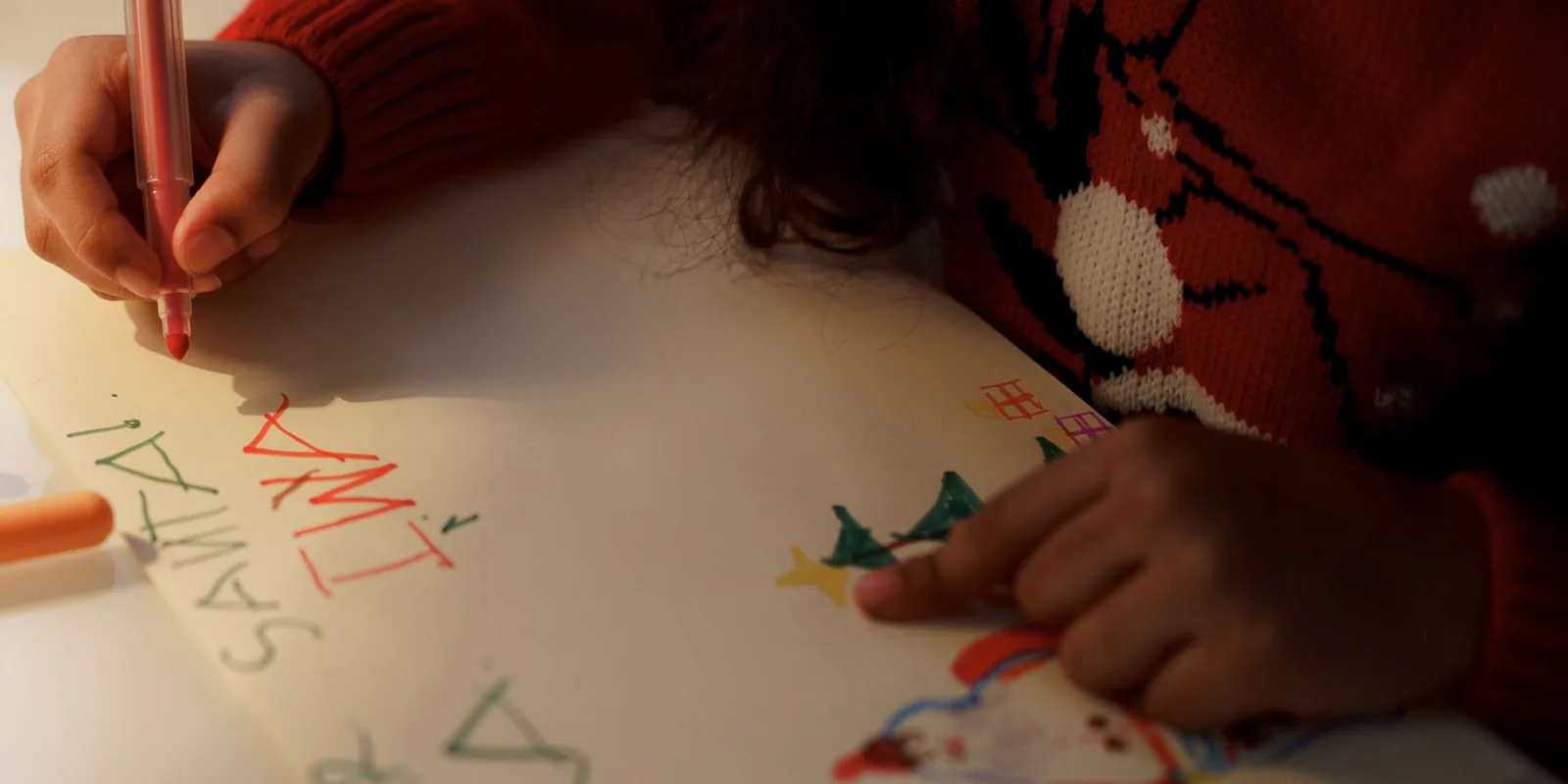
Something you want, something you need, something to wear, something to read: the 4 and 5 gift rules explained, by age, and with grandparents.
"Something you want, something you need, something to wear, something to read." That rhyme is the whole of the four gift rule: four main Christmas presents for each child, one for each line. The five gift rule adds a fifth, usually something to do. Neither comes from any official body. Parents pass them on because they shrink the pile to things that get used.
The four gift rule, often shortened to "want need wear read", is a family rule of thumb that limits each child's main Christmas presents to four, one per line of the rhyme.
What does "something you want, something you need" mean?
Each line of the rhyme is a slot, and each slot does a different job.
- Something you want is the present they'd name if you asked them today. It's the one on the letter to Father Christmas, and it's allowed to be frivolous.
- Something you need is a thing they'd be getting anyway, chosen with more care than usual: a lunchbox they picked, a torch for dark winter mornings, a bigger pair of wellies.
- Something to wear is clothing with a bit of excitement in it: the football kit, a dressing-up outfit, slippers with ears.
- Something to read is a book, a comic or an annual, matched to what they enjoy now rather than what they "should" be reading.
Put together, the want brings the thrill, the need and the wear keep it grounded, and the read gives them something quiet for Boxing Day. Many families add a stocking of small things on top, which the rhyme doesn't count.
Did anyone official invent the gift rules?
No. The gift rules don't come from government or health advice, and no official body says how many Christmas presents for kids is the right number. The rhyme is passed between parents, and nobody can say for certain who first wrote it down.
That's worth knowing for one reason: there's no wrong way to use it. If your version swaps "something to wear" for "something to do", or gives a sibling present to share, it's still the rule. For a present the whole household shares, see our family gift ideas. It's a frame for your own Christmas, not a standard to meet.
What the rule does well is change the question you ask in December. Instead of "what else can we get?", you're asking "what's the one thing they really want?", which is easier to answer and harder to overspend on. It also means less to find homes for in January, when the new things meet the old ones in a bedroom that hasn't grown.
The honest catch is Christmas morning. A child used to a big pile may find four presents a shock, especially if cousins still get a mountain. Starting the rule when they're young, or explaining it as "four really good things", is gentler than a sudden cut.
What are the 4, 5 and 7 gift rules?
They're the same idea at different sizes. Of all the Christmas present rules parents swap, these are the versions you'll come across, and what each one suits.
- 3 gift rule, The slots: Three presents; some families link it to the wise men's three gifts. No fixed slots; Suits: Families who want the smallest pile, or a faith link
- 4 gift rule, The slots: Want, need, wear, read; Suits: The classic; easiest to explain to relatives
- 5 gift rule, The slots: Want, need, wear, read, plus something to do; Suits: Children who'd rather be busy than sit with a book
- 7 gift rule, The slots: The four, plus three more, such as do, share and eat; Suits: Families who like a bigger morning but still want a shape to it
The 5 gift rule is the one we'd point most families of 3 to 8 year-olds towards. The fifth slot, something to do, is where the present that gets them moving goes: a kite, a skipping rope, a den kit, a set of stepping stones. Without it, the active present tends to get squeezed out by the want.
Seven is less a rule than a structure. It works when there's a big extended family and you'd rather direct the generosity than stop it.
How do you adapt the rule by age?
The lines stay the same; what fits in them changes.
Toddlers, ages 1 to 2
A toddler won't count presents and can't tell you what they want, so the rule is really for the adults. Let the want be your best guess, the read a board book with flaps, and the wear something easy to get on. Toys must be clearly marked with age restrictions, and the Office for Product Safety and Standards (OPSS) says those restrictions "are based on risks such as choking hazards". Check the mark on every toy, including hand-me-downs from older cousins.
Ages 3 to 5
This is when the want becomes specific, and often a character they've met at nursery. Let them choose it from their own list, so the rule feels like theirs rather than a limit. The need can be their first school bag or water bottle, and the read a picture book you're happy to read twenty times.
Ages 6 to 8
Children this age can run the rule themselves. Give them a sheet folded into four columns and let them fill in one idea per line, then pick from it. They may surprise you with the need column, and a child who wrote the list has less reason to feel short-changed on the day.
How do you keep the rule when grandparents are buying too?
Tell them early, and give them a slot. Grandparents usually want to give something that matters, and the rule works better when they're part of it than when it's being quietly broken in their spare room.
A few splits that work:
- Grandparents take the "do" slot, which suits a present the child can use at their house too.
- Grandparents take the "read" slot, with a note written inside the cover.
- One set of grandparents buys the want, and the parents fill the other lines.
Agree before December, in a message rather than at the door. If they love giving lots, suggest a day out or a present that stays at their house, so the generosity isn't lost and the pile at home stays the size you planned. There are presents designed to live at a grandparent's house in our gifts for grandchildren.
Decide, too, where Father Christmas fits. In some houses he brings the want and the parents bring the rest; in others he fills the stocking only. Either is fine, as long as everyone in the family tells the same story.
What could go in each slot for a 3 to 8 year-old?
Start with the want, because it decides the budget for the rest. Then fill the other lines around it.
- Want: whatever is at the top of their list. If it's sold online, buy from a seller you know: OPSS advises getting as much information on the seller as you can, especially on an online marketplace. If it runs on batteries, check that any button battery sits behind a screwed-down flap. OPSS warns that button batteries and powerful magnets are a particular threat if a child swallows them.
- Need: a school bag, a bike bell, a cosy dressing gown, a night light, wellies a size up.
- Wear: a team shirt, a dressing-up outfit, patterned pyjamas. OPSS flags that "loose ribbons on toys and costumes can pose risks to young children", so trim long ties on anything for the youngest.
- Read: a book they've asked for, the next in a series, or a comic annual. Giving books as presents is one of the reading tips from BookTrust, the children's reading charity.
- Do: a kite, a skipping rope, pavement chalk, a den kit, or a kids' yoga mat with 15 numbered poses laser-engraved into the surface, no screen needed.
For more ideas sorted by what children do with them, see our presents for kids and the hub of screen-free Christmas gifts. If the stocking is where your family's extras go, our screen-free stocking fillers keep that small too.
Frequently asked questions
What is the 7 gift rule for Christmas?
There's no single version. A common one starts from the four lines of the rhyme, want, need, wear and read, and adds three more, such as something to do, something to share and something to eat. Others swap a slot for a family present or a day out. Like the shorter rules, it comes from parents rather than any official source, so pick seven slots that suit your house.
What is the 4 present rule?
It's the rhyme turned into a shopping list: something you want, something you need, something to wear and something to read. Each child gets one main present for each line, so four in all, with the stocking on top if your family does one. It's a family habit, not a guideline, and plenty of families change a line to suit them.
How many Christmas presents should a child get?
No official body sets a number, and families land anywhere from a handful to a sackful. A more useful test than the count is whether each present will still be in use in February. The gift rules give a ready-made answer of four or five per child, which suits plenty of families. Settle on your number before you shop, not after.
Do the gift rules work for toddlers?
Yes, though a toddler won't notice the rule; you will. A one or two-year-old doesn't count presents or know what they want yet, so the 'want' is your best guess and the 'read' is a board book. Check the age mark on every toy, because the government's product safety regulator says those marks are based on risks such as choking.