practice
Laughter Yoga for Kids: A 5-Minute Giggle Routine
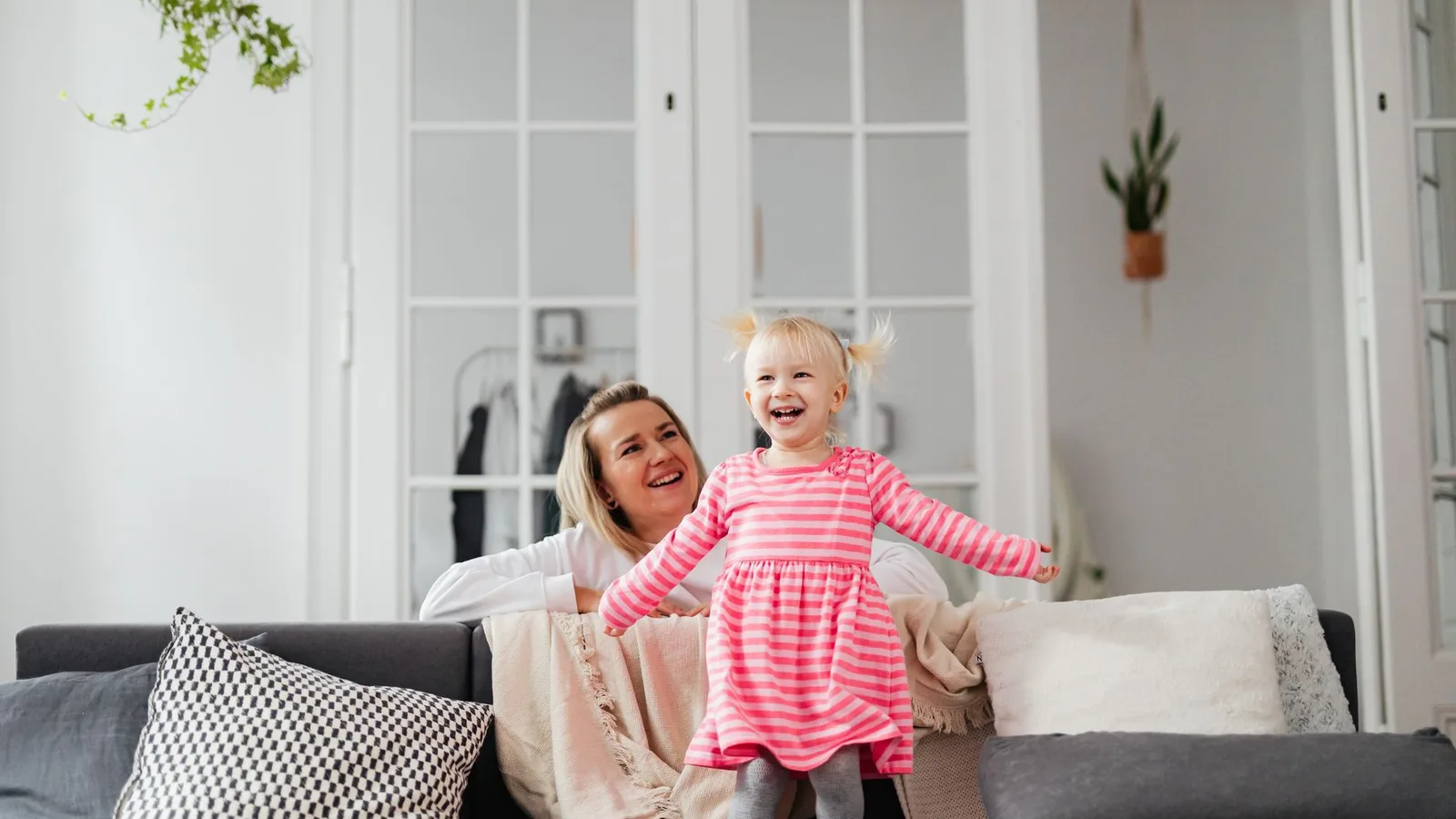
Try laughter yoga for kids with a five-minute routine for ages 3 to 8: milkshake, lion and silent laughs, a quiet finish and no pressure.
How can you turn a grey Sunday into a giggle?
On a grey Sunday, try laughter yoga for kids as a five-minute game of pretend laughs and simple movements. Mix an imaginary milkshake, try a lion face and a silent giggle, then rest. This routine is written for ages 3 to 8, with a grown-up joining in.
Nobody needs a joke, and nobody has to laugh. The sounds can stay pretend.
Why laugh when nothing funny has happened?
Laughter yoga combines deliberate laughter with breathing exercises, as described in this research review. Here, you'll borrow that idea for a game and add familiar yoga shapes.
The review, published in 2026, found six studies involving school-age children, with sessions typically lasting 30 to 50 minutes. It reported some improvements in stress and wellbeing measures, but noted that the small number of studies and differences between them limited comparisons. That doesn't establish health benefits from this five-minute home routine. Enjoy it as shared play, without expecting it to fix a difficult feeling.
When is a good moment for pretend laughs?
Choose a moment when your child is interested in playing, perhaps after school bags are away or during a weekend afternoon indoors. Join in beside them, so you're taking turns rather than directing a performance. You don't need music, a video or a stock of funny jokes.
If they've had a difficult afternoon, offer the game instead of announcing that it's time to cheer up. A no is enough. Keep this as one choice among your yoga games to play together, and leave it for another day if something quieter appeals.
What happens in the five-minute giggle game?
Follow the timings below, using each slot for the action, pauses and moving into position. Nobody needs to laugh for a whole minute. The standing games come first, followed by cat, mouse and a quiet finish; use the floor only for the parts you choose.
Before starting, clear enough space around you, keep breathing comfortable and unforced, and stop if anything hurts or your child feels unwell. Ask your GP first if a health problem or injury leaves you unsure whether to try the movements.
1. Wave a laugh hello: 30 seconds
Stand facing each other, gently wave your hands and take turns saying a small "ha ha" as your hello.
Copy your child's tiny wave or enormous royal greeting, letting your arms come down and pausing between turns, then let them lead the next hello while you follow.
2. Mix a milkshake laugh: 60 seconds
Hold an imaginary cup in each hand, pour your milkshake between them, then take a pretend sip and add a little laugh.
Your child might invent a banana and baked bean flavour or spill the lot; follow their story, repeat the mime if they want, and pause between sips.
3. Try tree with a silent laugh: 60 seconds
Rest one heel against your other ankle with its toes still on the floor and your hands resting on your hips, then make a smiling face while breathing normally.
If your child puts both feet flat or giggles, carry on; swap feet halfway through without making it a competition.
4. Make a cat, then a lion laugh: 60 seconds
Come onto hands and knees, round your back gently for cat, then sit upright comfortably, stick out your tongue and add a soft "ha".
Meowing is welcome too; follow your child's lead and rest between turns, keeping the lion as a face and sound.
5. Curl into mouse: 30 seconds
Kneel, ease your bottom towards your heels and fold forwards as far as feels comfortable, letting your hands rest beside you.
If your child keeps their head up or prefers sitting, let them, and finish the talking part of the game.
6. Finish with a quiet rest: 60 seconds
Sit or lie comfortably, let your hands rest and notice an ordinary breath coming in and going out.
If your child wriggles or looks around, stay alongside them quietly without restarting the clock or adding another instruction.
Can you stop before five minutes?
Yes. The full sequence adds up to five minutes, including pauses and changes of position. You can also do a two-minute version: spend one minute on the milkshake mime and one minute resting. Those are suggested timings, not targets your child needs to reach.
Lose track while choosing flavours? Skip ahead to the rest when you're ready. There's nothing to catch up on.
What if the giggles don't arrive, or won't stop?
Let your child change the game or leave it. Watching, miming and choosing a flavour are ways to join in without laughing. If they say it's silly, agree that it's supposed to be, then offer to be the one doing the silly bit while they watch.
If the noise gets too much, move straight to the silent faces and then rest. For siblings, let each choose their own volume; nobody has to copy the loudest person. Keep it hands-off, with no tickling, and agree that "stop" ends the game.
A refusal doesn't need analysing. If you're concerned more broadly about your child's wellbeing and think they need support, speak to your GP or health visitor.
How do you make it easy to play again?
Next time, let your child choose a favourite laugh or invent a new milkshake flavour.
Store any mat where you can reach it when you play. For help learning the shapes, our beginner's guide to yoga with children is a useful companion.
Want the shapes in view for your next giggle game? Explore the Sun Salutation design, with 15 numbered poses laser-engraved into the surface, including cat, tree and mouse.
Frequently asked questions
What are laughter yoga exercises?
These exercises include a milkshake laugh, a lion laugh, a silent laugh and a greeting game, with pauses between them. You mime, make a face or try a laugh sound, then stop. Treat them as an invitation to play, with watching welcome.
Can a three-year-old try this routine?
For a three-year-old, offer just the milkshake mime and a quiet finish. Show the action and let them choose whether to copy. Keep both feet on the floor instead of attempting tree. You can introduce the other games another day if they ask.
What if my child doesn't laugh?
Let them watch, choose an imaginary milkshake flavour or tell you which face to pull. A real laugh isn't needed to finish. If they want to stop, stop. Try a shared activity instead of turning laughter into something they have to do.
Do you need a mat for laughter yoga?
No. The greeting, milkshake and silent laughs need no equipment, and you can finish sitting comfortably. The floor poses are optional additions to this routine. Try the standing games first if you're away from home or simply don't want to get anything out.