guides
Elf on the Shelf Ideas: 30 Easy Ones, No Shopping
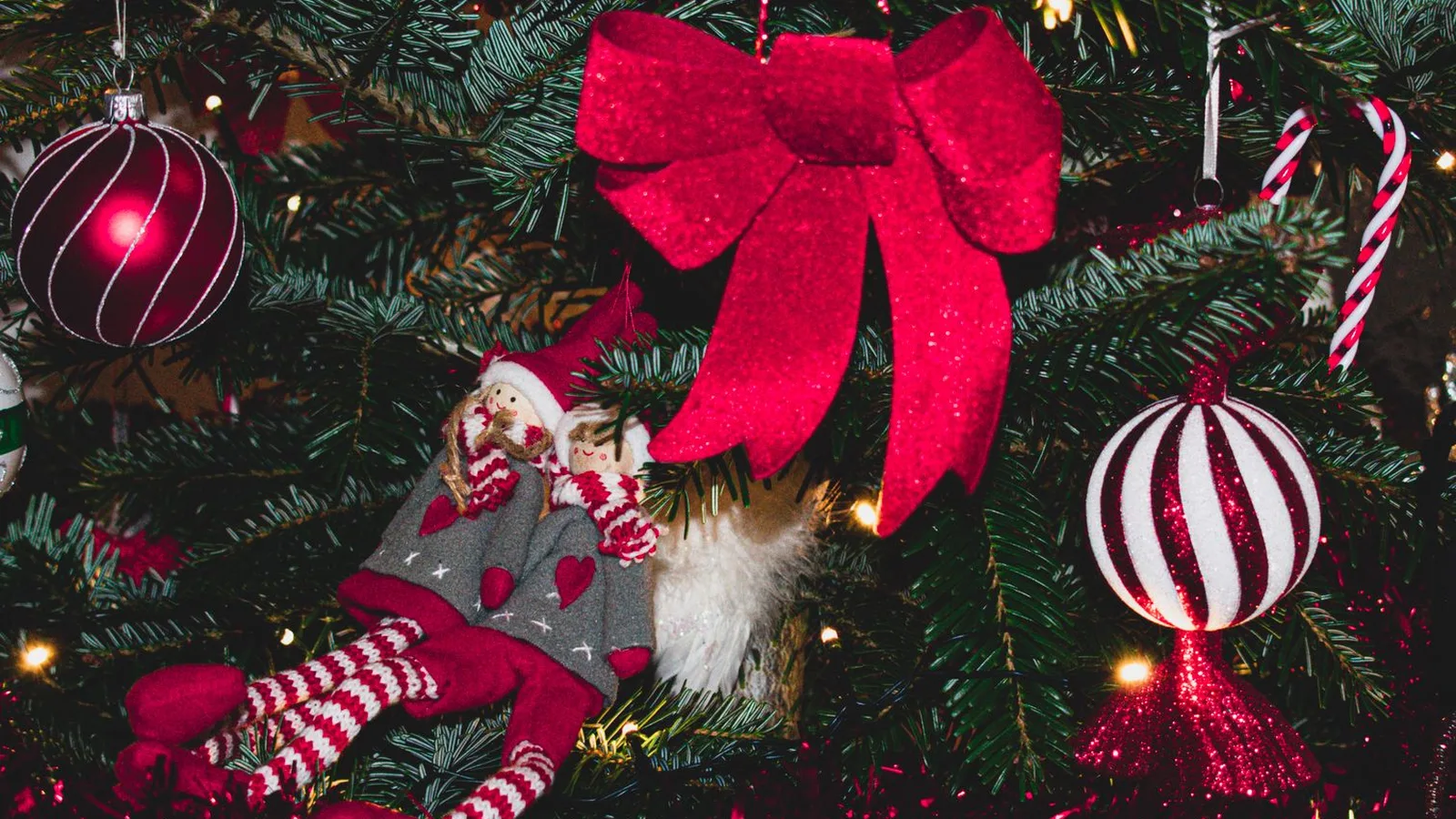
Try 30 easy elf on the shelf ideas using things at home, grouped by type, with kind and active challenges plus arrival and goodbye notes.
Which elf idea can you use tonight?
Easy elf on the shelf ideas start with what you've already got: a sock sleeping bag, an upside-down book or a handwritten invitation to dance. These 30 set-ups are grouped by type, with arrival and goodbye letters and a week each of kind and active ideas. Choose what suits tonight.
Find your set-up:
- Household props: ideas 1 to 10.
- Short notes, arrival and goodbye: ideas 11 to 16.
- Kind gestures: ideas 17 to 23.
- Movement: ideas 24 to 30.
What do you need before the elf arrives?
For families with children aged 3 to 8, start anywhere with an existing figure or a paper drawing. Choose a start and finish that fit your household. Set yourself a two-minute preparation limit, and read notes aloud if your child needs you to.
Keep small props out of children's reach. The NHS warns that small objects can cause choking.
Leave batteries and magnets out of scenes. If you suspect a child has swallowed a button battery or magnet, GOV.UK advises going straight to accident and emergency, even without symptoms.
Skip string zip wires and ribbon swings: the Child Accident Prevention Trust explains the strangulation risk from cords and loops. None of these ideas needs them.
Which ideas only need a household prop?
Start here when it's late and you want something ready without writing or crafting. Borrow what's to hand, place the elf and leave it for morning. The suggested words are things you can say when your child spots the scene.
1. Sock sleeping bag
Tuck the elf into a clean adult sock, leaving its face showing. Say, "Someone's borrowed a sleeping bag." Put the sock back afterwards.
2. Upside-down reader
Sit the elf against a cushion with an open book upside down. Ask, "Can you spot what's wrong?" Your child can turn the book round and choose a page to share.
3. Slipper driver
Put the elf in an adult slipper as though it's driving a car. Say, "Where's this driver going?" Your child chooses the destination.
4. Teddy passenger
Rest the elf against a large teddy's back. Say, "Teddy's giving someone a lift." Your child can decide whether they're heading to the kitchen, the moon or somewhere completely made up.
5. Empty-bowl bath
Lay the elf in a clean, empty plastic bowl, with its head over the edge. Say, "The bath's missing something." Keep it a pretend bath; there's no water to empty afterwards.
6. Laundry avalanche
Lay a clean jumper over the elf's legs, with its head and arms visible. Say, "Someone got lost in the washing." Put the jumper away together.
7. Hat hideout
Sit the elf inside an upturned hat without cords or ties, face peeping out. Ask, "Who's moved into this hat?" Your child can invent a name for the elf's borrowed home.
8. Wooden-spoon singer
Rest a wooden spoon beside the seated elf as a pretend microphone. Say, "The singer needs a song." Your child can supply the performance while the elf remains the audience.
9. Teddy story circle
Arrange familiar soft toys facing the elf and an open picture book. Say, "They're waiting for a storyteller." Read a page together, then let the toys return to their usual places.
10. Odd-sock detective
Place the elf between mismatched clean socks. Ask, "Can you solve this sock mystery?" Your child can suggest where the partners might be.
What can you write on a scrap of paper?
A short message can carry the scene when you don't want to rearrange anything. Write the words and put the elf beside them. The arrival and goodbye versions below are ready to copy, with no names or dates to fill in.
11. Off-duty notice
Leave the elf where it was and write, "Off duty. Please carry on playing." Keep this note for another busy evening. It gives you a ready answer when nothing has moved.
12. Backwards-name puzzle
Write the elf's name backwards and leave it beside the figure. Ask, "Can we put the letters back?" Say the letters aloud together if reading the puzzle would get in the way.
13. Draw my destination
Leave paper beside the elf with, "Draw somewhere I could visit." A scribble, a map or a whole imaginary country can be the reply. The drawing becomes tomorrow's ready-made backdrop.
14. Choose my next job
Write, "Should I be a singer or a storyteller tomorrow?" Let your child choose, then use the spoon or book idea. That's tomorrow's set-up decided.
15. Arrival letter
Sit the elf beside this handwritten greeting:
"Hello. I've come for a little Christmas visit. You can show me your favourite games. Some mornings I'll have an idea; some mornings I'll stay put. Shall we choose my name?"
16. Goodbye letter
Leave this note beside the elf on your chosen final morning:
"My Christmas visit is ending. Thank you for sharing your games. Keep making up stories and finding kind things to do. It's time to say goodbye."
What could a kind elf invite your child to do?
Use these as invitations your child can accept, change or ignore. Each asks for a small gesture using what's already at home. Put the note beside the elf, and help with the activity if invited. You can work through them as a week of kind ideas.
17. A specific thank-you
Write, "Tell someone what you'd like to thank them for." Offer an example such as finding a missing glove. Your child can say it, draw it or ask you to write it.
18. Choose somebody's story
Sit the elf beside the books with, "Choose a story someone else might enjoy." Let your child explain their choice. Sharing a favourite page is enough; finishing the book is optional.
19. Sock-pair helper
Put the elf beside clean washing and write, "Could you help match some socks?" Join your child at the pile. Leave any stubborn odd socks for another day and thank them for helping.
20. A picture to give
Leave a note saying, "Draw something for someone you choose." Your child decides the subject and recipient. They can hand over the picture at home, without an envelope, stamp or special occasion.
21. Someone else's song
Write, "Ask someone which song they'd like to hear." Let your child invite a grown-up or sibling to choose. Sing it together if you know it; humming the tune counts too.
22. Invite a play partner
Sit the elf beside a familiar toy with, "Would someone like to play with you?" Your child can offer an invitation and suggest a game. Leave the other person free to decline.
23. Welcome-home drawing
Write, "Make a welcome for someone coming home later." Your child could draw a greeting and leave it beside the elf. If everyone's already home, make it a welcome to the room.
What could an active elf challenge your child to try?
Leave a movement invitation for a moment when you can join in. Clear space and choose familiar movements, following the American Academy of Pediatrics' advice on suitable activities and surroundings. Your child can choose how much to do, or make the elf demonstrate instead.
Stop an activity if it hurts. If discomfort concerns you, speak to your GP or health visitor.
24. The cat-pose challenge
Pose the elf like a cat. If you already have Sun Salutation, leave "Find pose 3", which is cat. Otherwise, write, "Be a cat on hands and knees." Meowing supplies the sound effects.
25. Singing statues
Leave the elf with, "Dance while your grown-up sings, then freeze when they stop." Take turns choosing the tune. The singer controls the pauses, so you don't need a device or playlist.
26. Marching delivery
Write, "March an imaginary parcel to the North Pole." Stand the elf nearby as the recipient. Your child can march on the spot, describe the parcel and hand it over with ceremony.
27. Reach for pretend snowflakes
Pose the elf with its arms raised and write, "Catch imaginary snowflakes." Invite your child to reach gently overhead or out in front. They choose whether to stand or sit for the game.
28. Mirror my hands
Sit the elf facing your child and write, "Copy my hands." You make a wave, a clap or a finger wiggle for them to copy. Swap leaders whenever your child wants a turn.
29. Penguin post
Leave a note saying, "Deliver a message in penguin steps." Your child invents the message and waddles it over to you. Let the elf receive your reply, then retire the postal service.
30. Guess my pose
Write, "Show a pose you already know and let your grown-up guess." Your child can demonstrate or arrange the elf instead. Swap roles if they want to be the guesser for a change.
How can you plan a week without making more work?
Choose a short run of ideas now, then repeat or swap them as you go. You don't need a month of increasingly elaborate scenes. Keep any handwritten notes together after use, so another grown-up can take over without needing a briefing or hunting for supplies.
- A mixed week: use ideas 17, 24, 18, 25, 19, 26 and 20, alternating kind gestures with movement.
- A busy stretch: use the arrival letter, repeat household-prop ideas, then finish with the goodbye letter whenever you choose.
If you're also planning advent activities, let the elf introduce the same activity. There's no need to organise another one. For the celebrations themselves, there are separate Christmas activities for kids.
If the pose challenge becomes a favourite, Yogi-Me mats have 15 numbered poses laser-engraved into the surface. Choose a mat for more active-elf mornings.
What if your child would rather leave the elf alone?
Let them leave it alone. You can keep the elf as a decoration, invite your child to arrange tomorrow's scene or put it away altogether. Ask whether they'd prefer finding a surprise, making one for you or doing something else, and take their answer seriously.
If being watched is the sticking point, keep your version to a visiting character who suggests games. Leave behaviour reports and threats about presents out of the story. If your child dislikes performing, let them move the elf while you do the action. They don't owe anyone a performance.
Frequently asked questions
Does the elf leave on the 24th or 25th?
In the official story, the elf leaves on Christmas Eve, 24 December. For your version of the game, you can choose Christmas Eve or Christmas Day. Tell your child the plan beforehand. Leave the goodbye letter on the final morning, then put the elf away.
What if a child touches the elf?
In this version, touching doesn't end the game. You can say, "It's our pretend visitor, and we decide how to play." Let your child help move it if they'd like. Choosing tomorrow's scene together can become part of your game, or you can leave the elf where it is.
Do you have to move the elf every night?
You can make your version a weekends-only game, an occasional surprise or a short visit. Explain that arrangement when the elf arrives. If you forget to move it, use the off-duty note or leave it reading the same book. There's no need to invent a punishment or blame your child.
What elf ideas need no shopping?
Try a clean sock sleeping bag, an upside-down book, a slipper ride or a paper invitation to dance. Use a figure you already own, or draw an elf on paper. Skip any idea whose materials you don't have. The arrival and goodbye notes can both be handwritten on scrap paper.
Sources
- NHS: How to stop a child from choking
- GOV.UK: Hidden danger in your home, button batteries and powerful magnets
- Child Accident Prevention Trust: Strangulation
- American Academy of Pediatrics: Encouraging your child to be physically active
- American Academy of Pediatrics: Preventing sports injuries in children
- NHS: Looking after a sick child
- The Elf on the Shelf UK: When does the elf leave?